
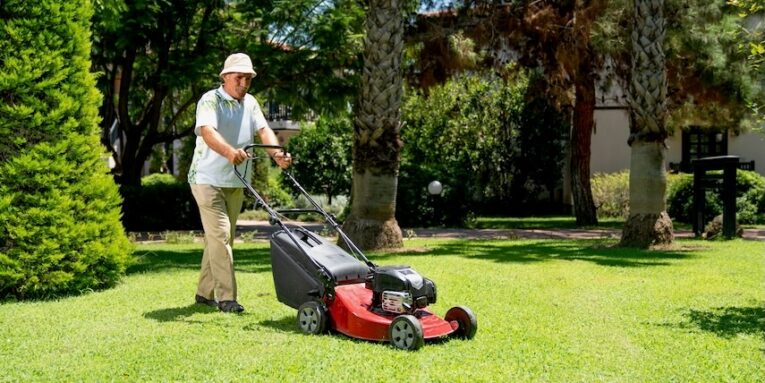
You water your lawn once a week regularly. You maintain a strict schedule for cutting your grass and trimming its edges, but end up looking at patches of brown spots or dull green grass that refuse to grow. It is really frustrating, knowing you have done your job properly.
So, you decide to go for the next best thing. You purchase a bag of fertilizer from the local hardware shop, use it accordingly, and wait. You may change brands, seek advice from your neighbor, or even follow tips available online randomly, yet there is no significant improvement.
This is because maintaining a healthy lawn is not achieved by random usage of fertilizers but rather through a carefully thought-out fertilization plan tailored to fit your type of soil and climate, among other factors.

This article explains the importance of having a proper fertilization plan through five practical reasons, ranging from root development to correct soil selection.
Interested in seeing how each one of these applies to your lawn? Read on.
- Fertilization Builds Lawn Health from the Roots Up
A healthy lawn requires certain nutrients for growth, but it can have different needs depending on its grass type, current state of the soil, season, and existing nutrient content. Otherwise, improper fertilization can lead to underfeeding the lawn or feeding it with an abundance of nutrients that might be harmful to the grass.
A proper fertilizing strategy includes identifying the actual needs of the lawn. Professionals in lawn care services can examine the current state of the grass and soil, identify the required nutrients, and create a proper fertilizing plan accordingly. This way, you will make sure to fertilize the lawn when it is necessary.
With a proper lawn fertilization service, the grass on your lawn will get the nutrients it requires, thus creating strong roots and even growth. Healthy roots can provide resistance to mowing, walking on the lawn, and even drought.
- Right Plan is Tailored to Your Soil and Climate
It is important to realize that not all types of soil react the same way to the processes that take place during fertilization. For example, some yards have thick, easily compressed clay in their soils, while others have soils that are based on limestone and thus affect the way nutrients flow.
In this situation, ignoring the specifics of the soil will mean just making random assumptions about it and working according to guesswork. This is precisely why it is crucial to perform a soil test first and find out what exactly is missing in the lawn.
Another aspect that needs to be taken into account when developing a fertilization plan is the climate of the area and the weather at the moment.
- Timing Turns Fertilizer into Real Results
Even the most effective fertilizers fail to yield results if the timing is off. There are periods in the life of any grass when it grows actively; otherwise, nutrients are just wasted rather than absorbed.
That’s when timing and multi-phase fertilization beat a single application of fertilizers. A schedule for six fertilizations per year allows you to apply fertilizers during the right period when they would be needed.
Regular timing also helps to avoid breaks. If one month is skipped or fertilization is done quickly in one shot, all efforts made before might go to waste and allow weeds and bald spots to emerge.
- Targeted Treatments Stop Weeds and Grubs Before They Spread
Fertilization not only provides nutrients to the grass that you can see. A healthy lawn with plenty of grass physically limits weeds by occupying more area and leaving no space for crabgrass, dandelions, and wild violets to grow. The combination of lawn growth and pre-emergent and post-emergent weed control closes two doors at once – preventing new weeds from growing and destroying those that have grown already.
Subterranean lawn pests require another form of protection. Grubs eat roots of grass underground and may do so for weeks until the damage is apparent above ground. Grub prevention focuses on killing these grubs and preventing root damage instead of addressing the problem after the lawn is damaged.
Thus, these steps make it unnecessary to face unpleasant surprises. Rather than responding to the presence of weeds or dead spots in your lawn, you will be taking preventive measures against both of them.
- Builds Color and Density That Lasts
The real proof of fertilization lies in the way that the lawn looks and withstands seasonal changes, particularly humid summers and the colder months of winter. A customized nutrient regimen coupled with lime application for proper pH level provides a lawn with richer and more even green coloration, unlike the lackluster, yellow coloration that occurs as a result of depletion of nutrients in the middle of the season.
The consistent nutrient intake results in denser grass, which is particularly important in the summer season, as thin grass becomes vulnerable to diseases such as brown patch disease caused by high temperature and humidity levels. Consistency is the key to sustaining this difference. A lawn treated with the proper fertilizer will not suffer through periods of poor condition followed by improvement.
The grass color and density is also maintained throughout the entire growing period, as opposed to being at its best immediately after the nutrient application and declining quickly afterwards. In time, such maintenance will turn out to be the clearest benefit of the whole program.
The Difference Comes Down to the Plan
An uneven or patchy lawn is no surprise at all. It simply means that you were fertilizing haphazardly rather than strategically. After conducting soil tests, timing, pest prevention, and putting everything into a plan with the aim of achieving consistent color and density, you see how much your lawn can do differently from what a bag of garden store fertilizer can achieve.
A strategic plan is one that not only provides nutrients to the grass, but also helps to protect it year after year regardless of the conditions in your lawn.
People also read this: LED Driver Selection for Homes, Offices, Retail Spaces, and Commercial Buildings
