
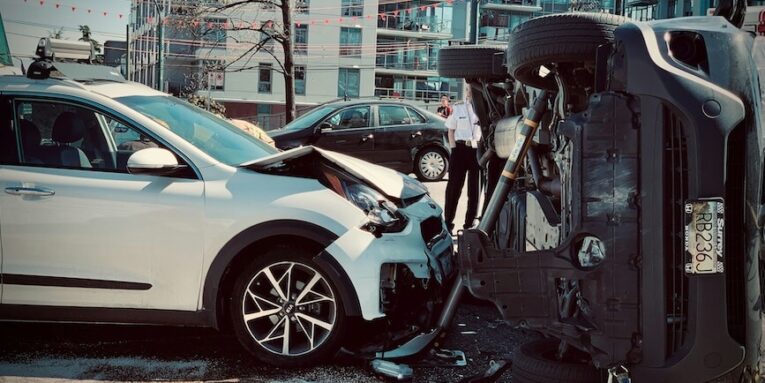
Car crashes shatter routines in one violent moment. You face pain, bills, and questions about what comes next. Most claims settle. Some do not. Certain cases move toward trial because fault is unclear, injuries are serious, or insurance companies refuse to pay a fair amount. Other times, the law in your state creates hard limits that push both sides apart. Insurance lawyers study your medical records and driving history. They search for any reason to lower what they offer. Your lawyer looks for proof that tells a clear story. That is when specialists in car accident claims become important. They know which facts judges and juries trust. They know which problems cause cases to stall. This blog explains why some claims settle and why others end up in a courtroom. It gives you straight answers so you can protect yourself and your family.

Why Most Cases Settle Before Trial
Most car crash claims end in a settlement. You sign papers. You receive money. The case closes. That happens because:
- Both sides want to avoid court costs
- Insurance companies want to close files quickly
- You want to move forward and stop reliving the crash
Settlement can be faster and less tense. You avoid testifying in a courtroom. You avoid long waiting periods. You also avoid the risk that a judge or jury might award less than the last offer.
Still, some claims cannot settle on fair terms. When that happens, trial becomes the only path left.
Common Reasons Cases Move Toward Trial
Three problems often push a car crash claim toward trial.
1. Fights over who caused the crash
If each driver blames the other, insurance companies often refuse to pay full value. You might see this when:
- Police reports are unclear
- Witnesses give different stories
- Each car has damage that supports a different version
Some states follow “comparative fault” rules. In those states, a court can split blame between drivers. You can read about fault rules in many states on the National Highway Traffic Safety Administration site. When fault is in dispute, trial may be the only way to sort out blame.
2. Disputes about injuries and treatment
Insurance companies often admit their driver caused the crash. They still argue about your injuries. They may claim:
- You had the injury before the crash
- Your pain is less serious than you say
- You received too much treatment or waited too long to see a doctor
They study your medical records and work history. They search for old injuries or missed visits. If the gap between what you need and what they offer stays wide, your lawyer may advise you to prepare for trial.
3. Low offers and policy limits
Some crashes cause large medical costs and lost wages. If the at fault driver has low insurance limits, the company may offer you the full policy. That still might not cover your losses. In other cases, the company has high limits but keeps its offers low. They hope you accept less than a jury might award.
When money on the table does not match your real losses, trial can become the only way to ask for a fair result.
How Trial Cases Differ from Settlement Cases
Claims that head toward trial feel different from those that settle early. The table below shows key differences.
| Issue | Cases that Settle Early | Cases Headed for Trial |
| Fault | Both sides agree who caused the crash | Each side blames the other driver |
| Injuries | Short treatment and clear healing | Long treatment or permanent harm |
| Insurance Offer | Close to your documented losses | Far below medical bills and wage loss |
| Evidence | Simple records and few witnesses | Many witnesses and conflicting records |
| Timeline | Often months | Often one year or more |
| Your Role | Paperwork and some calls | Depositions, hearings, and testimony |
What You Can Expect When a Case Heads for Trial
When your case moves toward trial, you enter a structured process. Courts follow clear steps. These steps help both sides share facts and narrow the issues.
Investigation and filing
- Your lawyer gathers crash reports, photos, medical records, and wage records
- The lawyer files a complaint to start the lawsuit
- The other side files an answer that admits or denies your claims
Discovery
During discovery, each side must share information. You may need to:
- Answer written questions under oath
- Provide documents such as tax records or pay stubs
- Attend a deposition where lawyers ask you questions face to face
This step can feel draining. It also builds the story that the jury will hear.
Motions and hearings
Lawyers may file motions that ask the judge to decide certain issues before trial. For example, they may ask the judge to limit some evidence. They may also ask the judge to rule on fault if the facts are clear. You might attend hearings, though often your lawyer appears for you.
Settlement talks and mediation
Many courts require a settlement conference or mediation. A neutral person listens to both sides. They help explore a middle ground. Trials often follow only after these talks fail.
The trial itself
At trial, both sides present evidence to a judge or jury. You may testify about the crash, your pain, and how your daily life changed. Medical and crash experts may explain technical points. The judge instructs the jury on the law. The jury then decides fault and money.
How to Protect Yourself as Your Case Moves Forward
You can take clear steps to protect your claim as it moves toward trial.
- Get medical care quickly and follow your treatment plan
- Keep records of all bills, receipts, and time missed from work
- Write down how pain and limits affect your daily tasks
- Avoid posting about the crash or your injuries on social media
- Respond to your lawyer’s requests for information
You can also learn about crash risks and safety from trusted sources. The Centers for Disease Control and Prevention provides clear crash facts and safety tips.
When You Should Think About Trial
You do not choose trial lightly. You weigh risk and need. You ask:
- Does the offer cover medical care and lost income
- Will I face future medical needs or job limits
- Can I handle the time and stress of court
Your lawyer can explain likely outcomes and costs. The final choice remains yours. When you understand why some car accident cases head for trial, you can face that choice with clear eyes and a steady mind.
People also read this: The Shift Towards Shared Work Environments
