

Australia’s workplaces are undergoing a quiet upheaval. In cities across the country, shared work environments, known colloquially as coworking spaces, have emerged as a compelling answer to traditional office setups. Beyond merely addressing the needs of freelancers, these hubs are increasingly catering to corporate employees, small enterprises, and startups. This growing trend indicates a compelling shift in how the concept of work and workplace are perceived.
Breaking Down Silos
Rigid departmental lines are losing their place in today’s work culture. Coworking spaces encourage synergy by breaking down these silos. By fostering a collaborative atmosphere, these spaces enable companies and individuals to exchange ideas fluidly. Such environments expose one to a diverse range of expertise, encouraging spontaneous collaborations that were less feasible in conventional office settings.
Moreover, the openness of these spaces invites fresh perspectives into long-standing projects, providing opportunities for innovation and growth. Businesses tapping into this collaborative potential find themselves drawing from a rich pool of ideas and skills. Employees benefit from enhanced mentorship possibilities, learning from each other in real-time, which leads to a more enriched and dynamic work experience.
Community and Networking
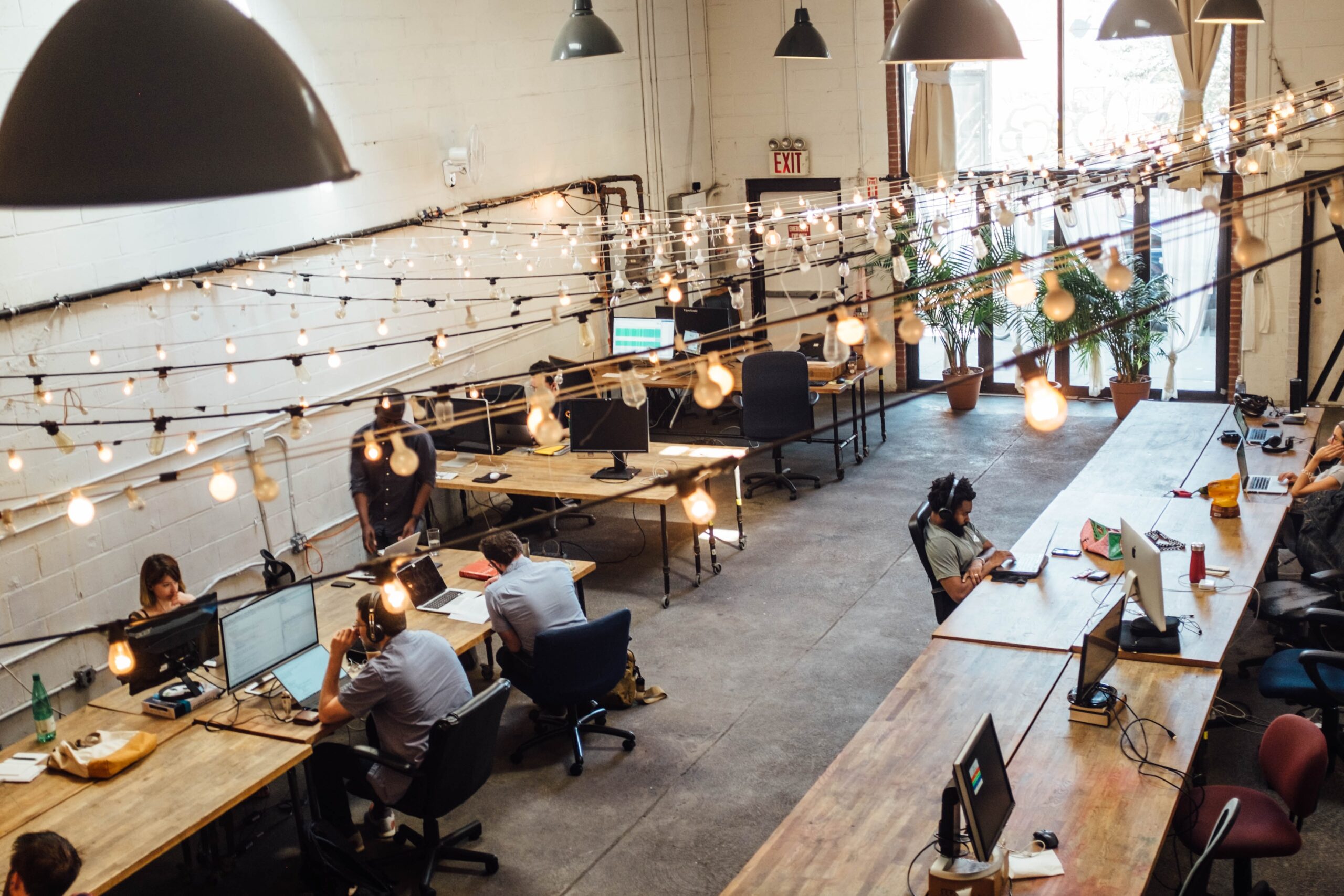
In the fast-paced world of work, the value of networking cannot be overstated. Shared work environments cultivate an integrated community feel, where professionals from varied fields rub shoulders with one another. This close proximity presents not just opportunities for collaboration but also nurtures camaraderie. Networking in such spaces becomes organic, almost incidental, making it an effortless part of the daily work routine.
Coworking spaces often host events, workshops, and seminars that provide additional avenues for cooperation. These gatherings attract diverse talent, allowing members to expand their networks and forge connections that might one day transform into valuable opportunities. Such active engagement within the community fosters personal and professional growth unmatched by traditional offices.
A More Flexible Workday
The traditional nine-to-five schedule does not suit everyone, and many business in Australia and around the world are considering moving away from it. Coworking spaces offer a more adaptable alternative. With flexible hours, individuals can choose when to clock in and out. This flexibility enables employees to optimize their productivity based on their unique rhythms and life circumstances. The rise in remote work has shown businesses that offering options can lead to greater job satisfaction and higher retention rates.
Companies seeking coworking space in Melbourne and other hotbeds of startup activity have seen how shared environments can accommodate varying work habits and preferences, providing resources for diverse professional needs. The ability to manage personal tasks alongside professional responsibilities creates a more harmonious work-life balance. Parents can attend a child’s school event, or individuals can engage in midday fitness sessions without worrying about falling behind. This autonomy nurtures trust between employers and employees, creating work environments that are productive and supportive.
Cost-Effectiveness
Establishing a private office can weigh heavily on finances, especially for startups. Coworking spaces offer a pragmatic solution, negating the substantial costs associated with real estate leases and maintenance in urban locations. For new businesses, this means the ability to focus capital on growth and development rather than overheads.
Additional amenities, from high-speed internet to security services, are typically part of the package, offering further savings. This all-in-one nature eases the logistical burdens of managing office spaces. With these resources at their disposal, businesses can channel their energy and finances towards achieving their core goals rather than dealing with administrative tasks.
Encouraging Creativity
The sterile, beige walls of conventional offices are often uninspiring. In contrast, coworking spaces prioritize aesthetics to make work an enjoyable experience. Vibrant décor and thoughtful interior designs contribute to a lively atmosphere. These creativity-enhancing elements keep the mind engaged and can spur innovative thinking and problem-solving.
Furthermore, these environments often incorporate elements like greenery, open lighting, and recreational areas, all of which are proven to stimulate creativity and reduce stress. By offering spaces for relaxation and reflection, coworkers can return to their tasks with renewed focus and enthusiasm, bringing fresh ideas to the table.
The Challenges Ahead
Yet, despite their many benefits, shared workspaces are not without their challenges. Noise levels and distractions in open office setups can sometimes hinder focus, making it necessary for some individuals to carve out quiet corners for concentration. Moreover, while the sense of community is a strong point, it can blur professional boundaries, requiring discretion and respect among members.
Security and privacy also arise as potential concerns in shared environments, as sensitive information is exchanged close to potential competitors. This necessitates shared spaces to implement robust privacy protocols and assure members that their work remains confidential. Establishing clear guidelines can help maintain professional integrity while fostering an atmosphere of openness and trust.
Shared work environments are more than a temporary fad. They are signaling a broader transformation in how we view work and office culture. As they continue to gain traction, it becomes vital for companies to embrace the inherent changes these spaces provide. Ultimately, coworking spaces are not merely about office locations but about reshaping the work-life balance, productivity, and the very core of human collaboration.
People also read this: How Businesses Can Support Employees During High-Stress Periods
