
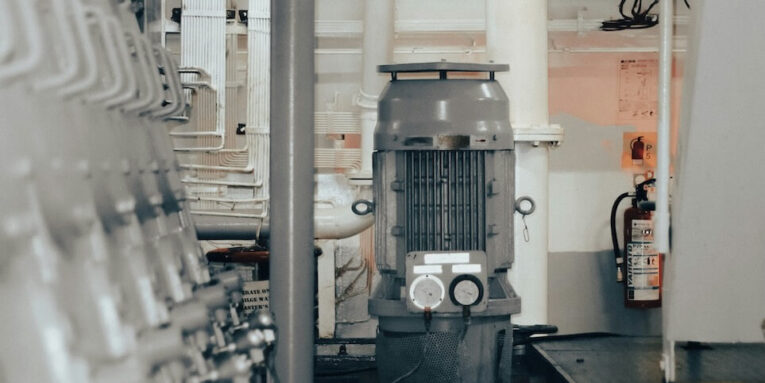
When founders talk about operational risk, the conversation drifts to supply chains, cybersecurity, or hiring. Almost nobody brings up the pumps. Yet in most facilities that make, move, or process anything physical, pumping systems decide whether the P&L looks healthy or hollowed out.
So why should a business audience care about a piece of equipment most people never see?
The Energy Bill Hiding in Plain Sight
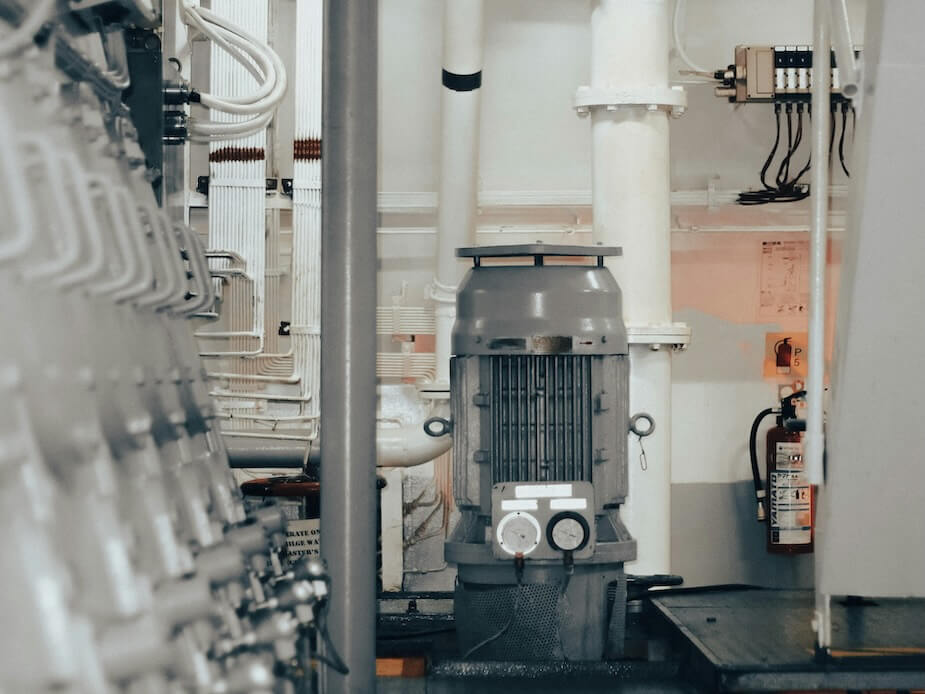
Pumps are one of the largest electricity consumers in industry, and most of them run nowhere near their design point. A landmark field study of 1,690 centrifugal pumps across 20 plants found average pumping efficiency under 40%, with roughly 10% of pumps limping along below 10% hydraulic efficiency. That’s not a rounding error. It’s a structural drag on margin.
The petroleum sector makes a useful stress test. Pumping is one of the largest single draws on electricity in fuel production and refining, and the raw kilowatt-hours involved at a typical facility are enormous.
For a business leader, that reframes pumps from a maintenance line item to a top-tier operating expense.
Purchase Price Is the Cheapest Part
Founders trained to negotiate hard on capex often miss where the real money goes. Buying the cheapest pump is one of the fastest ways to overspend across a ten-year horizon.
The lesson travels well beyond fluid handling. Any asset with a long duty cycle deserves a total-cost lens, not a sticker-price one.
Why This Matters Beyond the Plant Floor
Even if you never buy a pump, you’re paying for the ones upstream. The U.S. Environmental Protection Agency reports that, on average, 14 percent of treated water is lost to leaks nationally, and some systems have reported losses above 60 percent. Every gallon lost was pumped, treated, and paid for by someone: ratepayers, and eventually the businesses those ratepayers work for.
What Entrepreneurs Can Take From This
You don’t need to become a rotating-equipment engineer to apply the thinking. A few habits translate directly:
- Audit the unglamorous line items. The costs that never make the pitch deck are often the ones with the most slack. Utilities, maintenance contracts, and spare-parts inventory reward attention.
- Buy for the decade. Whether it’s a pump, a CRM, or a warehouse lease, evaluate lifetime cost, not signing cost. Cheap upfront tends to be expensive over time.
- Right-size, don’t oversize. Oversized equipment wastes energy and wears itself out faster. The same principle applies to headcount and software seats.
- Know your critical dependencies. If a single failure can halt revenue, that asset deserves a maintenance plan, not a hope-for-the-best plan.
The Quiet Machines Worth Knowing About
Even something as unassuming as a sump pump sits in the background of countless facilities, protecting inventory, electrical systems, and continuity of operations. When it fails, the losses are anything but subtle.
That’s the entrepreneurial lesson worth carrying out of the boiler room. The systems you never think about are usually the ones deciding whether the business runs smoothly or spends the quarter putting out fires. Pumps are the example. The mindset is the point.
People also read this: What Entrepreneurs in Industrial Sectors Should Know About Pipeline Hydrotesting Before They Sign Off
