
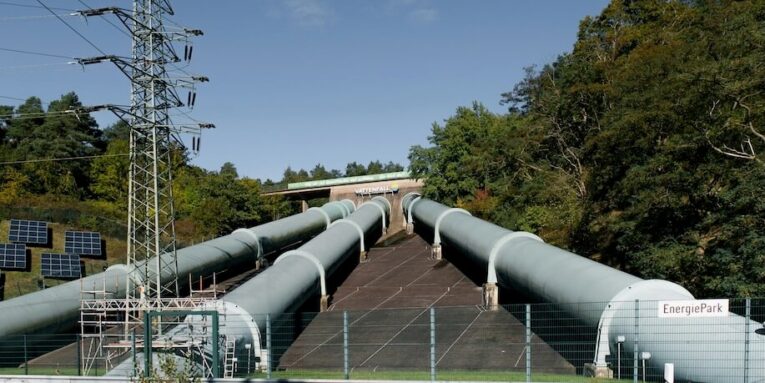
Ask a founder in energy, chemicals, or heavy manufacturing to describe pipeline testing and you’ll hear about a clipboard, a pump, and a box to tick before commissioning. That’s not what it is. The hydrotest is one of the rare moments when the business case, the safety case, and the regulatory case all land on a single number on a gauge. Get it wrong and the cost isn’t paperwork. It’s re-doing welds, rebooking contractors, and walking investors through a delay you didn’t budget for.
So what does a business owner need to understand before signing off on a hydrotest plan?
The Test Isn’t a Formality, It’s a Financial Control
Hydrostatic testing proves a pipeline can hold more pressure than it will ever see in service. The logic is blunt: stress the system now with a liquid, under controlled conditions, so it doesn’t fail later under real product with real consequences. For a CFO, that’s a clean risk trade. A scheduled test window versus an unscheduled incident.
The safety math also favors water, and the reason is worth understanding at the leadership level. A PHMSA fact sheet notes that water is preferred over air or gas because it’s nearly incompressible, so a failure during a hydrotest releases far less stored energy than a pneumatic test at the same pressure. That’s why insurers, regulators, and seasoned operators default to hydro whenever the geometry allows it.
The Numbers Behind the Pressure Gauge
The pressure a pipeline is tested to isn’t picked out of the air. It comes straight from the code the system was designed under, and the code depends on what the pipe carries.
Regulators Are Not Your Only Audience
In the U.S., pipeline pressure testing is federally mandated. The Pipeline and Hazardous Materials Safety Administration sets minimum safety standards for design, construction, and testing under 49 CFR Parts 192 and 195, and those rules apply whether you operate one mile of pipe or a thousand. Insurance carriers, infrastructure lenders, and offtake customers all read the same test reports. The document your inspector signs becomes a commercial asset.
Water Quality Is a Line Item, Not an Afterthought
Founders sometimes assume water is water. It isn’t. For austenitic stainless steel piping, most industry specifications cap chloride content in test water at 50 ppm to prevent chloride stress corrosion cracking, which can seed failures long after the test is signed off. Sourcing, treating, storing, and disposing of that water is a real line on the project budget, especially in remote locations.
Nitrogen enters the picture on the drying and purging side, because residual water and oxygen create their own downstream problems once the system goes into service. Operators who plan the fill, test, and dewatering sequence as one integrated workflow hit their commissioning dates.
Those who treat it as three separate contracts don’t. A concise walkthrough of the hydrotest procedure is a useful primer to hand a new project manager before the first kickoff meeting.
Where This Fits in the Founder’s Playbook
Entrepreneurs in industrial verticals often import habits from software: move fast, iterate, patch later. Pressurized systems punish that instinct. The codes exist because the failure modes are expensive, sometimes catastrophic, and almost always preventable with a properly designed test.
The point isn’t to become a hydrotest expert. It’s to ask sharper questions of the people who are. What code governs this system? What’s the corrected test pressure, and who’s verifying the water chemistry?
Who owns the hold-time log if a regulator or insurer asks for it two years from now? Those are the conversations that separate operators who commission on schedule from the ones who don’t.
People also read this: Website Redesign Services That Drive Results
