
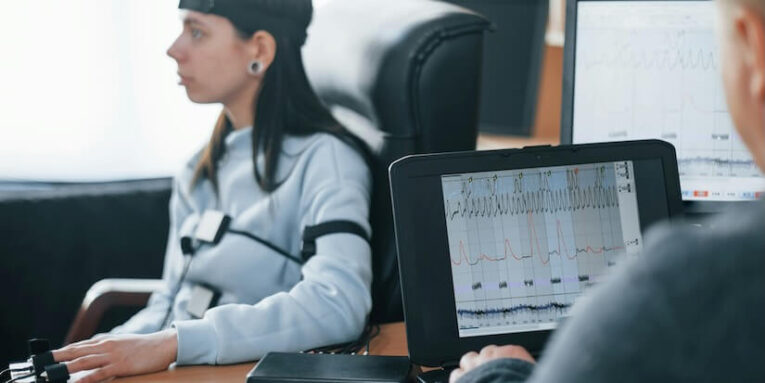
A standard interview can leave important questions unanswered. You might hear the confident response, but that reason might clash with what is evidenced, what witness statements say, or what is otherwise known about the situation. The problem becomes harder when the issue involves workplace concerns, disputed events, missing property, or serious allegations.
A lie detector, also known as a polygraph examination, can therefore be another source of structured information. A polygraph does not directly detect lies. Instead, it records physiological responses while specific questions are asked and allows a qualified examiner to evaluate those responses using an established testing method.
Being aware of that difference can be helpful when considering the utilization of polygraph testing.
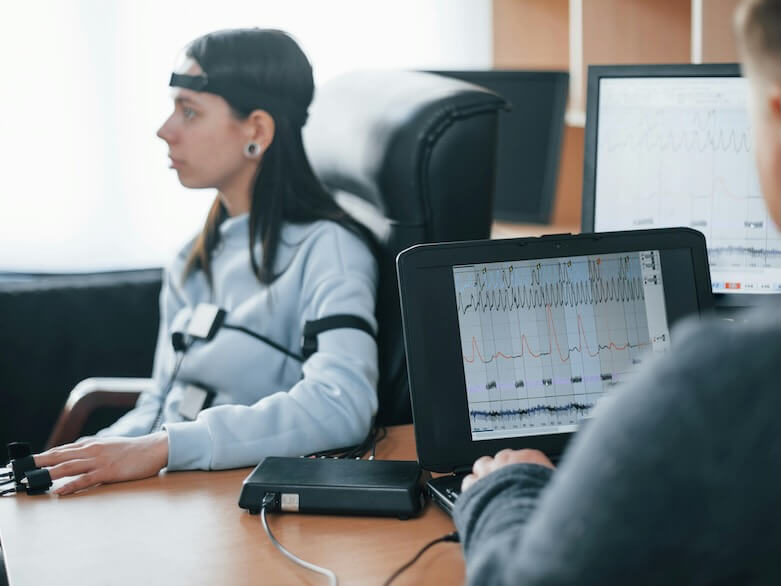
That said, here are five ways a standard interview can be supplemented with the use of a polygraph without supplanting other evidence.
1. Add Physiological Data
A standard interview gives you verbal information. You hear what a person says, ask follow-up questions, and compare the answers with other available facts. In addition, a Lie Detector test combines physiological data with this process and is characterized by responses to structured questions.
Additionally, a polygraph can monitor cardiovascular activity, breathing, and electrodermal activity. The instrument does not label a response as a lie. Instead, the examiner looks at the physiological patterns in response to the question and the test procedure used.
This is important to remember when evaluating the worth of a polygraph outcome. Physiological data may be taken in conjunction with interview statements, records, communications, and witness information. In other words, the polygraph does not add to the evidence that has been collected, but provides an additional source of information.
2. Strengthen Question Design
A useful interview depends on clear questions. Broad questions can produce broad answers, which may leave you unsure about the exact issue being addressed. Polygraph examinations require even greater precision because the questions must focus on specific, relevant issues.
You can use the interview to identify the facts that require closer attention. Instead of asking whether someone was generally “involved,” you can establish what action, event, or knowledge needs clarification. A specific issue gives the examiner a clearer basis for developing appropriate test questions.
Question review is also an important part of the examination process. Questions should be understandable and focused rather than ambiguous or unnecessarily complex. Clear wording gives you a better foundation for comparing the examination results with information from the original interview.
3. Compare Responses with Evidence
A polygraph ought not to be the only basis for a verdict. For example, assume that in an interview, the statement brings up an issue related to a non-payment, an incident at work, or a disagreement about an event. You can compare that statement with financial records, messages, documents, or witness accounts. At the same time, a polygraph can provide additional information about responses to specific questions related to the issue.
However, the comparison does not indicate that physiological responses can be used to determine the accuracy of a statement. Physiological changes can be due to a variety of reasons, and the examiner should interpret the recorded responses against the background of the situation. For this reason, the testing method, question wording, and examination conditions all matter.
Ultimately, a more complete assessment comes from considering multiple sources together. For example, there may be a discrepancy your interview uncovers. Records may confirm or challenge part of an account. A properly conducted polygraph may provide additional information about a specific question. Together, each source can contribute to the broader fact-finding process.
4. Standardize Question Process
Interviewers can be influenced by a person’s confidence, tone, nervousness, or other behavior. Those observations may shape an interview, but they do not independently establish whether someone is being truthful. A nervous person is not necessarily deceptive, just as a confident person is not necessarily truthful.
A polygraph provides a more structured questioning process. The examination uses defined questions and records physiological responses rather than relying only on impressions from a conversation. A standardized process can make the examination more consistent than an informal assessment based only on behavior.
However, standardization does not remove professional judgment. Examiner training, question construction, testing technique, and interpretation remain important. The value of the process depends on how appropriately the examination is designed and conducted, not simply on attaching sensors to someone during an interview.
5. Use Qualified Examiners
The examiner plays an important role in a polygraph examination. A qualified examiner must consider whether the issue is suitable for testing, help develop appropriate questions, conduct the examination properly, and evaluate the recorded physiological data. Examiner qualifications therefore matter when you are deciding how much weight to give the results.
A professionally conducted examination relies on appropriate training, validated testing techniques, continuing education, and established examination procedures. These factors help distinguish a structured polygraph examination from the common misconception that a polygraph is simply a machine that produces an immediate answer.
A post-test discussion may also address the examination results and relevant questions that arise from the recorded responses. The post-test phase remains part of the broader examination process. It should not be treated as independent proof of deception or as a substitute for the information gathered during the original interview.
Conclusion
A lie detector test can complement a standard interview by adding physiological measurements, encouraging precise questions, and providing additional information about specific issues. It can also help structure follow-up questions and give you another source to consider alongside documents, statements, and other evidence.
If you are considering polygraph testing, first define the exact issue you want to clarify. Gather the relevant records and interview information, then discuss the matter with a qualified examiner. A focused examination using appropriate questions and a validated technique can give you more useful information than relying on impressions from an interview alone.
People also read this: How Medical Care Alerts Can Offer Added Confidence?
