
A signature electric guitar line gives serious players a direct way to assess an artist’s working preferences through an instrument. Its value rests on practical choices, including the neck shape, control layout, hardware, pickup response, and body balance. These details affect technique, comfort, and consistency across rehearsals, recordings, and live sets. A careful buyer should treat the artist connection as a starting point, then judge each instrument against personal playing needs and setup requirements.
What To Examine In An EVH Line
The EVH electric guitar collection gives players a focused place to compare instruments associated with a distinct high-performance approach. The inspected page identifies EVH within its electric guitar brand categories, but it does not provide complete specifications for every model. Buyers should open individual product listings to confirm pickup configurations, bridge types, neck details, scale length, included accessories, and current availability before deciding.
A signature line can contain several configurations, even when the instruments share a recognizable visual identity. One model might suit a player who wants direct controls and a focused amplified sound. Another might suit someone who needs more switching options or a different tremolo arrangement.
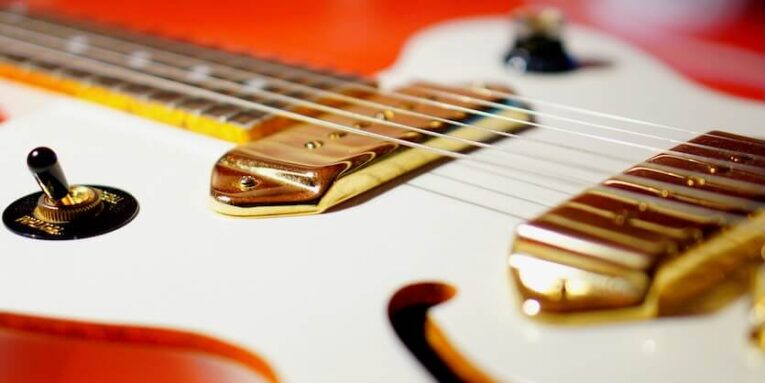
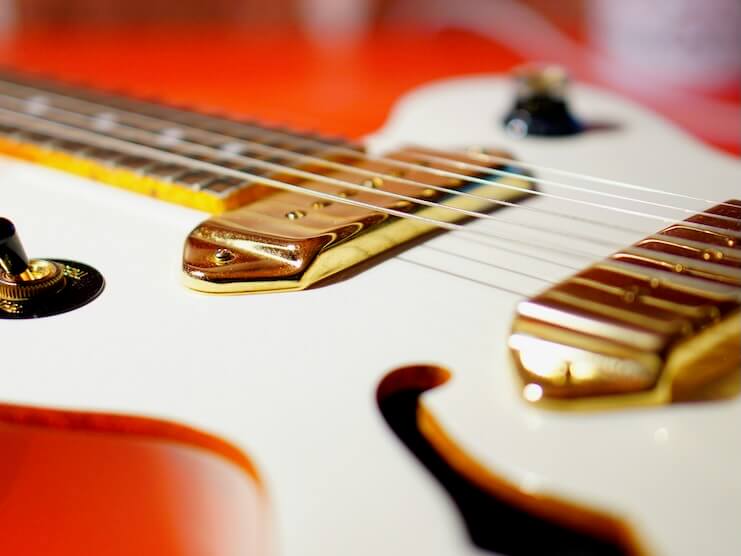
Product descriptions should be read alongside clear photographs. Images help confirm fret access, hardware layout, finish details, and control placement. Specifications then provide the information needed to judge compatibility with an existing amplifier, effects setup and maintenance routine.
How Signature Models Reflect Playing Priorities
A signature model begins with decisions that support a recognizable playing approach. The neck profile affects fretting pressure, thumb position, and movement across the fretboard. A flatter or more substantial profile suits different hand positions, so the right choice depends on technique, not reputation.
The body shape also affects comfort during long sessions. Weight distribution matters when a guitar hangs from a strap, while the bridge position influences picking-hand placement. Players who use wide vibrato, palm muting, or rapid alternate picking should assess how the instrument supports those movements.
Control placement deserves equal attention. A volume control near the picking hand allows quick adjustments, while a simpler layout reduces accidental changes during performance. Serious players should inspect these details before focusing on a finish or artist association.
Tone And Response Matter More Than Appearance
Pickup selection shapes how the guitar responds to picking strength, gain, and volume changes. A high-output humbucker can drive an amplifier harder, while a lower-output design often gives more room for touch-sensitive dynamics. The useful choice depends on the player’s rig and musical role.
A guitar’s bridge also affects tuning control and playing technique. A fixed bridge keeps the setup straightforward and suits players who prefer stable string changes. A locking tremolo supports pitch effects but requires a more deliberate tuning and restringing process.
The instrument should match the player’s normal workload. A guitarist who records several tunings, performs long sets, or uses aggressive pitch movement needs to consider maintenance time. That practical assessment often matters more than a signature finish.
Construction Details Affect Daily Use
Neck access influences how easily a player reaches higher frets. A sculpted heel or contoured joint can reduce resistance during lead work, although the player’s hand position remains the deciding factor. Fret condition also deserves close inspection because uneven frets affect bends, intonation, and action.
Scale length changes string tension at the same tuning and gauge. Longer scales produce firmer string tension, while shorter scales feel more flexible. Players should compare the stated scale length with the guitars they already use, especially when moving between instruments during a performance.
A reliable setup remains essential after purchase. A qualified technician should check string gauge, neck relief, action, and intonation when needed. Even an instrument with suitable specifications performs poorly if its setup does not match the player’s technique.
Matching The Guitar To The Job
A serious player should define the guitar’s main role before comparing models. A stage instrument needs dependable tuning, clear control access and comfortable balance. A recording guitar might receive more attention for its pickup response, fret access, and ability to occupy a specific place in a mix.
Budget planning should include a case, replacement strings, setup work, and any required accessories. Those costs affect the real purchase decision. Availability also matters because a listed model can have different dispatch timing, stock status, or configuration from another instrument in the same line.
Players should compare confirmed product details rather than assume every signature model shares identical hardware. The inspected category page establishes the EVH brand grouping, while individual listings must confirm each guitar’s specifications.
Conclusion
A signature electric guitar line gives serious players a practical reference point for evaluating construction, controls, response, and comfort. The artist connection matters, but the instrument must still suit the player’s hands, amplifier, and working habits. Before buying, review each individual listing, confirm the bridge, pickups, scale length, and included accessories, then arrange a professional setup after delivery. That process turns an appealing signature model into a dependable tool for rehearsals, recording, and performance.
People also read this: 8 Best Research Peptide Suppliers for SS-31 and Mitochondrial Research
