
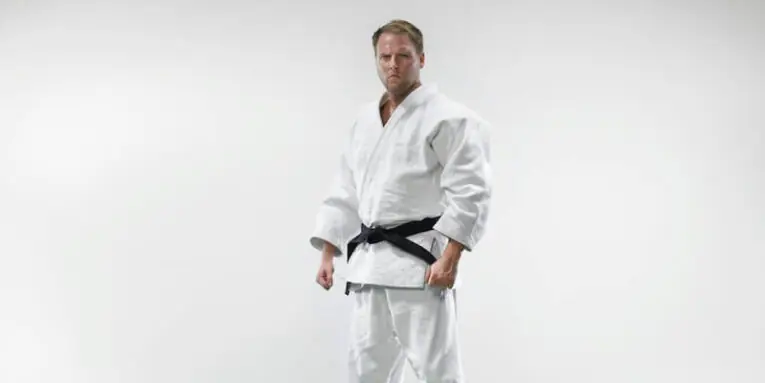
You are teaching students how to move, fall, and stay safe; but if they miss one landing, a regular class can become a serious issue. At that point, the student or parent may turn to you and ask who will pay the bill for the injury. Even if you have done everything correctly, a lawsuit can incur legal expenses that you may find difficult to cover yourself.
That’s why you should have an insurance policy that is made for you, and not just to cover the building you teach in. With your own policy, you can cover legal assistance and all the claims, which means that one accident won’t ruin your business or savings. It also provides you with a roadmap to follow when someone says you hurt or caused damage.
This article explains five reasons why you need your own policy as a martial arts instructor.
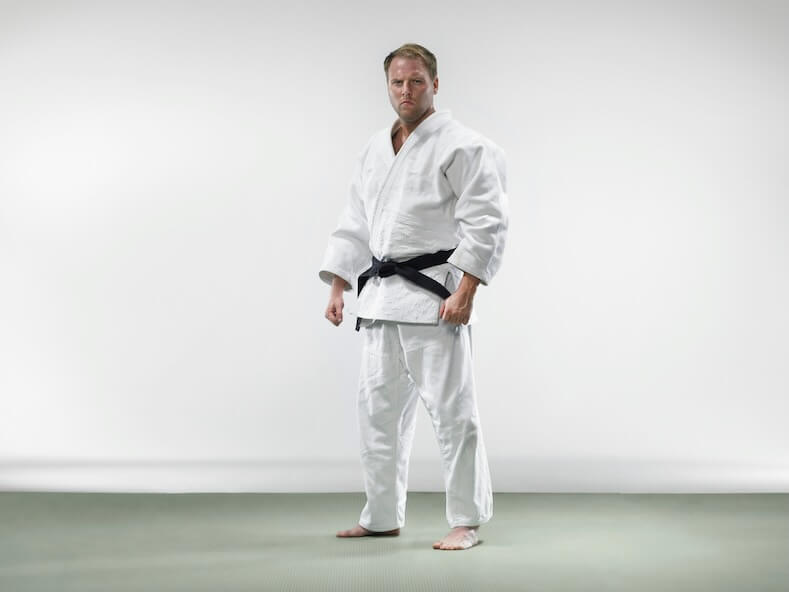
1. Student Injuries Put the Instructor Personally at Risk
Martial arts classes include throws, kicks, and close contact, so even careful teachers can deal with injuries. A student can sprain a wrist or hurt a knee during a simple drill. Afterward, the family may ask you to pay for the treatment.
Having martial arts instructor insurance gives you a way to respond to that request. If a student sues you, the policy can help pay for medical costs linked to the claim. It can also help pay for your lawyer, and legal help often costs more than teachers expect.
Since a student can sue you personally, the policy should be in your name. Without one, those costs come directly from your savings. A single lawsuit could even force you to close your classes for good.
2. A Dojo’s Policy May Leave Contract Instructors Exposed
Many teachers think a school’s insurance and an instructor’s insurance do the same job. In reality, a school’s policy protects the school, so it may not protect you if you work as a contractor. That gap is why you need a policy of your own.
The main difference between instructor insurance and school insurance is who each policy protects. School insurance protects the school’s business and building, while instructor insurance protects you if a student or parent makes a claim against you. Instructor professional liability insurance is designed to handle claims related to your teaching.
Each policy protects a different person, so one cannot replace the other. If a claim names you, your own policy can help defend you. It also stays with you if you move to a different school.
3. Damage to a Rented Facility Falls on the Instructor
Many instructors teach in rented gyms, church halls, or another school’s space. One strong kick can crack a mirror, and a swinging bag can pull a hook from the ceiling. At that point, the owner may look to you for the repair costs.
Your own insurance policy can help with damage that happens while you teach. Martial arts coach insurance may also respond when a student breaks something during your session. Each policy has its own rules, so read yours carefully to see what type of damage is covered.
Owners may ask for proof of insurance before they give you the keys. Some teaching agreements even set a minimum amount of liability coverage you must carry. When yours does, you can buy higher limits to meet the requirement.
4. Abuse Allegations Call for Specialized Protection
Damage is not the only concern, since close contact is part of the job. A student or parent might misunderstand a harmless move, such as correcting a stance. Even a false claim can hurt your reputation and your classes.
Because these claims are serious, some instructors add Sexual Abuse and Molestation coverage to their policy. This optional add-on can provide legal support if someone accuses you of abuse. Since it is optional, you must ask for it when you set up your policy.
Good habits help too, such as teaching in open spaces and keeping parents informed. Clear rules also help everyone understand what to expect, even during private lessons. Still, no habit can prevent every false claim, so a policy gives you extra protection.
5. Each Instructor Needs a Policy in Their Own Name
An insurance policy covers the person named on it, not the class or the group. This means an assistant, substitute, or partner cannot use your policy when they teach. Each person needs a separate instructor policy in their own name.
This rule works both ways, so you cannot depend on someone else’s policy either. For example, imagine an assistant leading the warm-up when a student pulls a muscle. If the claim names both of you and you do not have your own policy, you may have to deal with the claim on your own.
An assistant who also gives private lessons may need martial arts personal trainer insurance too. Ask every helper to get their own policy before teaching their first class. That way, everyone has their own protection, and your policy stays focused on your work.
Conclusion
At its heart, teaching martial arts is about trust, and trust grows when everyone feels safe. When you have a policy of your own, you can focus on your students instead of worrying about what might go wrong. Owners and parents also notice when you take your role seriously.
Take a few minutes this week to check the coverage you have today. Compare it with your classes, locations, and team. Then choose a policy that fits the way you teach and the risks you face.
People also read this: Understanding SAI Layer Abstraction And ASIC Compatibility In SONiC Switches
