
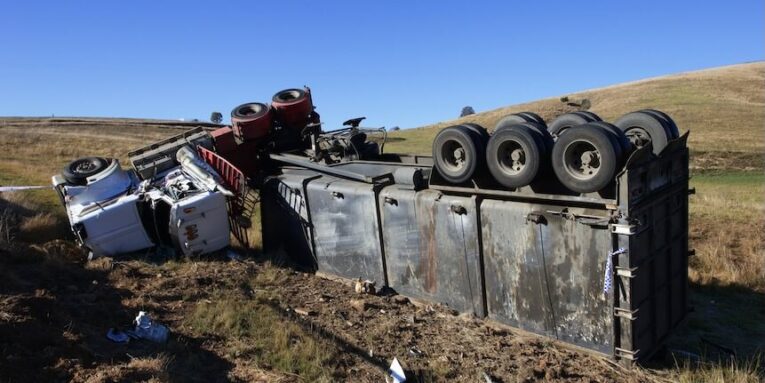
An 18-wheeler accident is far more destructive and legally complex than a crash with a smaller truck. The size, the rules, and the number of people who can be blamed all change once a big rig is involved. Treating an 18-wheeler wreck like an ordinary truck crash can cost a victim badly.
A pickup or box truck weighs a few tons, while a loaded semi can reach 80,000 pounds. That gap changes the force of the impact, the injuries, and how the claim unfolds. Federal law also treats the two very differently.
These differences matter most to the people trying to recover after an 18-wheeler accident. Knowing them early can protect your health and your case. This guide breaks down what actually sets these crashes apart.
Bigger Mass, Bigger Impact
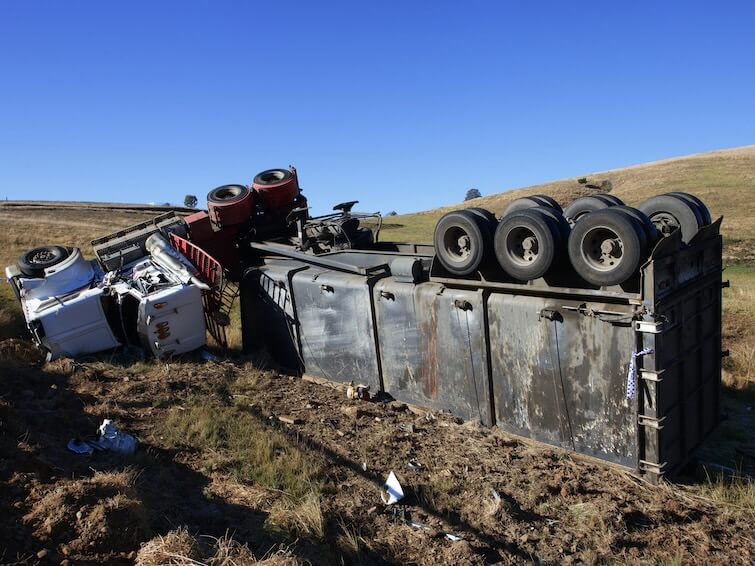
A fully loaded 18-wheeler can weigh up to 80,000 pounds, while most regular pickups and box trucks weigh 10,000 pounds or less. That difference alone changes everything about the crash. The heavier the vehicle, the longer it takes to stop and the more crushing force it delivers at the point of contact.
The result is often catastrophic rather than a minor inconvenience. Big-rig wrecks are more likely to cause severe injuries, multi-car pileups, jackknifes, rollovers, and underride crashes where a smaller car slides beneath the tall trailer. A minor fender bender with a small truck rarely carries anywhere near the same danger.
Extra Rules That Only Big Rigs Follow
Regular truck drivers mostly follow the same everyday traffic laws as any passenger car. Commercial 18-wheelers, by contrast, must obey a detailed set of Federal Motor Carrier Safety Regulations. These federal rules create duties that simply do not exist for an ordinary pickup:
- Federal limits on daily and weekly driving hours to prevent dangerous fatigue
- Electronic logging devices that automatically track every hour on the road
- Strict driver qualification, commercial licensing, and medical fitness standards
- Routine drug and alcohol testing for every commercial driver
- Regular inspection, maintenance, and detailed repair recordkeeping requirements
More Than One Party May Be at Fault
In a typical crash, you usually deal with one driver and one insurer. An 18-wheeler wreck can involve many separate responsible parties at the same time. The driver, the trucking company, a cargo loader, a maintenance shop, or a parts maker may each share blame.
A key reason is a rule called vicarious liability, which holds an employer responsible for its driver’s on-the-job conduct. That often brings the trucking company and its large insurer into the case. Federal law requires many interstate carriers to hold at least $750,000 in liability coverage, far above a typical car policy.
What to Do Differently After a Big-Rig Crash
Because the stakes and evidence are different, your response should be too. These steps address what sets these cases apart, and each reflects a way big-rig claims stand out from smaller crashes:
- Get medical care right away, since truck injuries are often far more serious.
- Report the crash promptly and make sure an official police report is filed.
- Photograph both vehicles, the cargo, skid marks, and road conditions closely.
- Act fast to preserve the truck’s black-box data before it is erased.
- Contact a lawyer who specifically handles tractor-trailer injury claims.
Why These Claims Take Longer to Settle
Even a clear 18-wheeler case rarely resolves quickly. The evidence is larger and more technical, including black-box data, electronic driver logs, and maintenance histories that must be requested before they vanish. Reconstructing exactly how the crash happened often takes trained accident-reconstruction experts.
Trucking companies and their large insurers also tend to defend these claims very aggressively. More money at stake and more parties involved mean more disputes over who pays and how much. A regular truck claim, with one driver and one policy, usually moves far faster.
Key Takeaways
- A loaded 18-wheeler can weigh up to 80,000 pounds, making crashes far more severe.
- Big rigs must follow federal safety rules that regular trucks do not.
- Many parties, not just the driver, can share fault in a truck wreck.
- Vicarious liability can place the trucking company on the hook.
- Federal rules require much higher insurance than a normal car policy.
- These cases involve more evidence and take longer to resolve.
People also red this: How Trek Movers Handles Local Moves Better Than Many Fairfield Movers
