
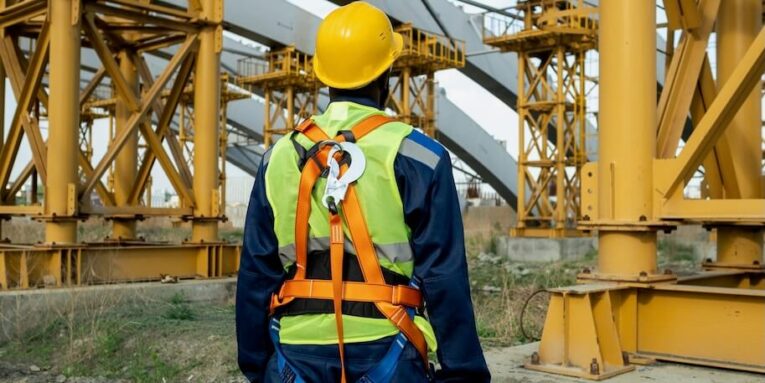
Every workplace injury affects more than one person. It impacts employees, families, employers, and entire communities.
In high-risk industries such as oil and gas, construction, manufacturing, and transportation, safety remains one of the most important responsibilities business leaders face. While technology, training programs, and safety regulations have improved over the years, serious workplace accidents continue to occur across the United States.
For companies operating in dangerous environments, workplace safety is not simply a compliance issue. It is a leadership issue. The choices made by executives, supervisors, and managers often influence whether workers return home safely at the end of the day.
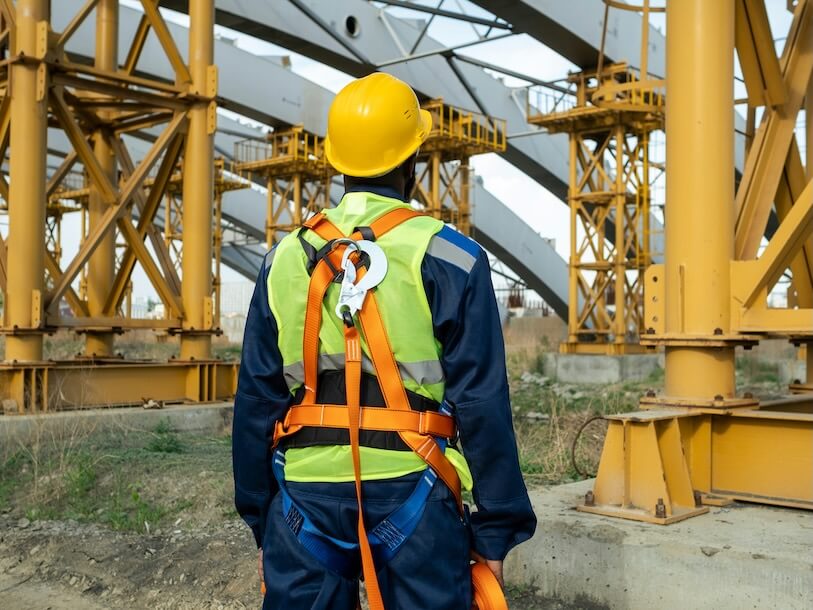
Why High-Risk Industries Face Unique Safety Challenges
The risks associated with drilling, transportation, and equipment operation remain significant. According to federal data on fatal occupational injuries from the U.S. Bureau of Labor Statistics, dozens of workers continue to lose their lives each year in oil and gas extraction, underscoring why safety remains a leadership priority throughout the industry.
Employees may work around:
- Heavy machinery
- Elevated work areas
- Hazardous chemicals
- Pressurized equipment
- Large vehicles
- Extreme weather conditions
In industries such as oil and gas production, multiple contractors often work on the same site. This can create communication gaps that increase the likelihood of accidents.
When several companies share responsibility for a project, safety oversight becomes more complex. Clear procedures and accountability become essential.
The Oil and Gas Industry Presents Special Risks
Oilfield operations involve some of the most physically demanding and dangerous work environments in the country.
Workers may face risks such as:
- Equipment failures
- Vehicle accidents
- Fires and explosions
- Falls from heights
- Exposure to toxic substances
- Struck-by incidents involving machinery
Many oil-producing regions experience rapid growth periods that can place additional pressure on operations. During busy production cycles, companies may face labor shortages, tight deadlines, and increased workloads.
These conditions can create situations where safety practices are tested.
Safety Culture Starts at the Top
The strongest safety programs begin with leadership.
Employees often follow the example set by supervisors and company executives. If management treats safety as a priority, workers are more likely to do the same.
A strong safety culture includes:
- Regular training
- Open communication
- Hazard reporting systems
- Consistent enforcement of safety policies
- Ongoing investment in equipment and maintenance
According to safety professionals, workers are far more likely to report concerns when they believe management will listen and respond appropriately.
What Employees Notice First
Workers often evaluate safety culture based on everyday actions.
They pay attention to questions such as:
- Are supervisors following safety procedures?
- Is damaged equipment repaired quickly?
- Are safety concerns addressed promptly?
- Are production goals prioritized over worker protection?
The answers help shape employee behavior.
As safety consultant Terry Mathis once observed, “People do what management measures.”
The Business Cost of Workplace Accidents
Workplace injuries can create significant financial consequences.
Many organizations focus on direct costs such as medical bills and workers’ compensation claims. However, indirect costs are often much higher.
These costs may include:
- Lost productivity
- Project delays
- Employee turnover
- Recruitment expenses
- Equipment damage
- Regulatory penalties
- Reputational harm
A serious accident can affect operations long after the immediate incident has ended.
For businesses competing in tight labor markets, maintaining a reputation as a safe employer can also help attract and retain skilled workers.
Small Problems Often Lead to Larger Incidents
Many major accidents begin with minor issues that were overlooked.
Examples include:
- Inadequate maintenance
- Poor communication
- Incomplete training
- Ignored safety reports
- Fatigue-related errors
Organizations that investigate near misses often identify risks before someone suffers a serious injury.
This proactive approach helps prevent larger problems from developing.
Why Safety Matters in Odessa and the Permian Basin
Workplace safety is especially important in regions with significant energy production activity.
Odessa sits within the Permian Basin, one of the most productive oil-producing regions in North America. The area’s economy is closely tied to energy development, supporting thousands of jobs across drilling, transportation, equipment services, and related industries.
While companies continue to invest in safety programs, serious incidents can still occur. When workers are injured because of unsafe conditions, defective equipment, or third-party negligence, consulting an oil field accident lawyer in Odessa can help injured workers understand their legal options and identify who may be responsible for their losses.
Because of this concentration of industrial activity, workplace safety remains a major concern for employers, workers, and local communities.
When accidents occur, the effects often extend beyond the worksite. Families, local businesses, and community resources may all feel the impact.
This reality makes injury prevention a shared responsibility across the region.
The Role of Contractors in Modern Worksites
Many industrial projects rely on contractors and subcontractors. While this model offers flexibility and specialized expertise, it can also create additional safety challenges. When an accident involves multiple companies working at the same location, questions may arise about responsibility and third-party liability claims after workplace injuries, particularly when parties other than a worker’s direct employer may have contributed to unsafe conditions.
Each contractor may have:
- Different procedures
- Different training standards
- Different reporting systems
- Different safety expectations
Without effective coordination, important information can fall through the cracks.
Communication Can Prevent Serious Incidents
Successful organizations establish clear communication systems before work begins.
Effective practices include:
- Daily safety briefings
- Shared reporting procedures
- Clearly assigned responsibilities
- Consistent site inspections
When everyone understands expectations, the likelihood of confusion decreases.
For large projects involving multiple organizations, communication often becomes one of the most important safety tools available.
Learning From Workplace Accidents
Every workplace incident provides an opportunity to improve.
Organizations that conduct thorough investigations often uncover underlying causes that might otherwise remain hidden.
The goal is not simply to identify what happened. It is to understand why it happened.
Questions may include:
- Was equipment properly maintained?
- Were procedures followed?
- Was training sufficient?
- Were warning signs missed?
These answers can help companies strengthen future safety efforts.
Accountability Supports Improvement
Accountability helps organizations maintain high standards.
This does not mean assigning blame without evidence. Instead, it means carefully examining systems, processes, and decision-making.
Businesses that embrace accountability often create safer workplaces because employees understand that safety expectations apply to everyone.
Building Safer Workplaces for the Future
Workplace safety requires ongoing attention.
New technologies, changing workforce demographics, and evolving operational demands will continue to create challenges for employers across high-risk industries.
The most successful organizations understand that safety is not a one-time initiative. It is an ongoing commitment that requires leadership, communication, and continuous improvement.
By investing in training, strengthening safety culture, and learning from past incidents, businesses can reduce risk while protecting their most valuable asset: their people.
When leaders make safety a priority, employees notice. More importantly, workers are more likely to return home safely at the end of every shift.
People also read this: Back to Articles Holistic Massage Destin vs Traditional Therapeutic Massage: Which Offers Greater Relief?
