

Walk a farmers market on a busy Saturday and you can spot the booths that get it. There is a small crowd, a rhythm of hands and money, a table that looks emptier by the hour. Two stalls down, someone with an equally good product stands behind a full table, watching the crowd flow past. The difference is rarely the product. It is almost everything around the product.
There are more than 8,000 markets listed in the U.S. Department of Agriculture’s national directory, and demand for local goods keeps them busy. Getting a table is the easy part. Turning foot traffic into sales is the craft. Here is what the emptying-table vendors tend to understand.
The Table Is a Storefront, Not a Shelf
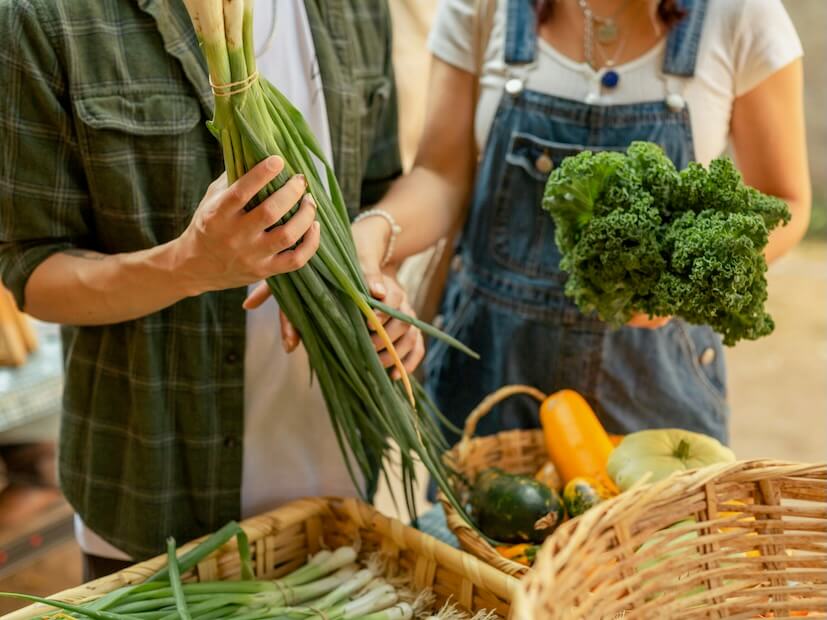
Shoppers decide whether to stop in about the time it takes to walk past your booth. That glance is your entire storefront. Height helps, so build up with crates and risers instead of laying everything flat where only the front row can see it. Leave a clear focal point rather than a wall of choice. A table crammed edge to edge reads as clutter, and clutter is easy to skip.
Give people one obvious thing to pick up. Samples, testers, a basket marked “3 for $12,” anything that turns a passive look into a small action. Once a shopper is holding something, the hardest part of the sale is already behind you.
Food Pulls Them In, but Watch the Non-Food
Produce and prepared food are the reason most people come, but they are not always where the margin lives. The classic high-performers at a market are the non-food makers who solve a gift problem: candles, cut flowers, honey and preserves that sit somewhere between food and keepsake, and soap.
Body and bath products in particular punch above their weight at markets, because they photograph well, smell inviting, and make an easy impulse gift. If you plan to sell that kind of thing, the rules are a little different from selling carrots, so it pays to read up on how to sell soap and similar personal-care goods before you load the car. A few minutes of homework keeps a good weekend from turning into a compliance headache.
Price So a Distracted Person Can Buy
Market shoppers are holding a coffee, a tote bag, and often a child. They will not do math. Round, legible prices move product: whole-dollar numbers, clear signage, and bundles that make the decision for them. “Each” pricing invites hesitation. “Two for” pricing invites a bigger sale.
Bring a card reader and say so with a small sign. A meaningful share of shoppers carries no cash at all now, and every “sorry, cash only” is a sale walking to the next booth. The fee on a tap is far cheaper than the sale you lose.
Talk Less Than You Think, Smile More
New vendors often over-explain. They deliver the whole origin story before the shopper has decided they care. Lead instead with a warm hello and one specific line: what it is, and the single best reason to try it. Then let them touch, smell, taste. People buy from booths where they feel welcomed, not lectured.
Regulars are the real prize. A market has the same faces most weeks, so a name remembered and a “how did the last batch work out?” builds a customer who returns for a year, not a Saturday. Loyalty at a market is personal before it is transactional.
Make the Weather Part of the Plan
An outdoor booth lives and dies by preparation. A canopy with real weights, not water jugs. A tablecloth that will not fly. A plan for the sun that will bleach and soften half of what you sell by noon. Heat is especially rough on anything with wax or oils, so keep the delicate stock shaded and the display pieces separate from the ones you are actually selling.
Bring more change than you expect to need, a backup of your bestseller, and a chair you will barely use. The vendors who look calm at 11 a.m. are the ones who are packed at 6.
Market-Day Takeaways
A great market booth is a small performance with a simple script. Build a display people can see from ten feet away, give them one easy thing to pick up, price it so a distracted parent can buy without thinking, and treat the regulars like the gold they are. The product got you the table. The craft of selling is what empties it. Master that, and the same Saturday crowd that flows past everyone else will start stopping at you.
People also read this: Building a Resilient Digital Payment Ecosystem for Modern Financial Institutions
