

A live sports betting platform has a strange job. It has to feel immediate enough for someone watching a match, but dependable enough to handle money and account activity without making the user think about any of it. One side of the experience looks a lot like sports media. Scores move, players are substituted, cards appear and markets change with the game. The other side is closer to fintech, where balances, payments and account records have to stay accurate even when thousands of people are using the platform at the same time.
Most users never separate those two things because there is no reason they should. On matchday, everything appears on the same screen. A fan checks the score, looks through a few markets and perhaps decides to place a sports bet. The fact that several different systems are working underneath only becomes noticeable when something is slow, unclear or out of sync.
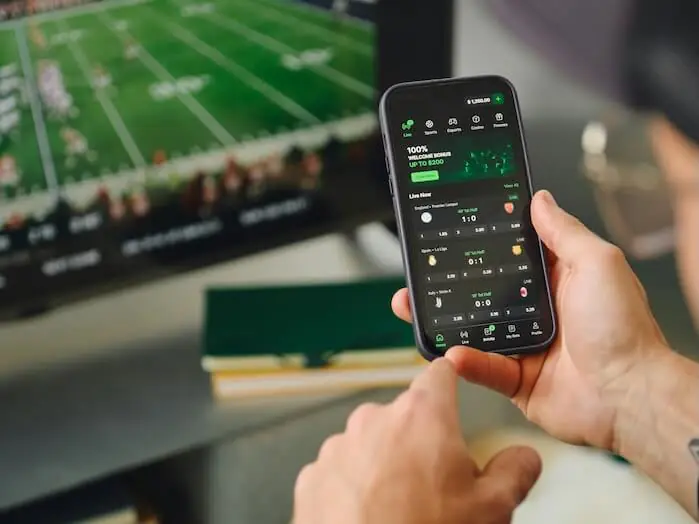
Live betting has become a form of sports information
Sports platforms are constantly publishing information during a live game. There may be no article or presenter involved, but the principle is similar to media. The user needs to know what is happening now, not what happened five minutes ago.
A football match makes that easy to see. The score tells only part of the story if one side has just had three corners, forced two saves and brought on another striker. Someone following online sports betting may want that context before looking at the available markets. The same is true in basketball, tennis or cricket, where the state of the game can shift much faster.
This is where Betway’s apostas online platfrom start to overlap with the kind of information fans already use during a match. Live scores, statistics and betting markets are no longer separate parts of the day; they often appear side by side, and placing a sports bet can happen while the user is already checking the same match online.
That makes presentation important. A screen full of constantly changing numbers can become difficult to read very quickly, so design has to bring some order to the noise. The most useful information should be obvious without making everything else disappear.
The financial side works very differently
The media part of the platform can be lively. The financial side should be almost boring.
Balances need to be correct. Deposits and withdrawals should be recorded properly. A settled bet should appear where the user expects it to appear. None of those things are particularly exciting, but they are part of what makes online sports betting usable.
This is where sports betting starts to resemble fintech more closely than traditional entertainment. Every action around the account has a financial consequence, even if the user only sees a short confirmation message on screen. Tech has to keep those records accurate while the sports side continues moving in real time.
A user placing a sports bet during a busy match is not thinking about databases or payment systems. They are thinking about the game. The platform has to make sure those hidden processes stay out of the way.
Matchday traffic creates a different kind of pressure
Ordinary apps can usually predict when people will use them. Live sport is less tidy.
A major final, derby or international tournament can bring a sudden rush of users within minutes. Team news drops, the match begins, a goal is scored, and thousands of people may all open the same part of the platform at once. That creates pressure on both the information side and the financial side.
Sports betting platforms like Betway, for example, have to handle the same basic problem as any other large sports platform: the experience still needs to feel straightforward when interest in one match suddenly jumps. The sports betting markets may be changing quickly, but the user should not feel as though the whole service is struggling to keep up.
This is where tech becomes less about adding features and more about keeping the basics solid. Fast loading matters. So does making sure the right score is attached to the right market and that the user sees the correct account information.
Good design becomes more important when the game speeds up
A live sports interface can become crowded very easily. There are team names, clocks, scores, odds, market categories and sometimes live statistics all competing for the same space.
That is why design matters more during live sports than it might in a slower digital product. Someone following a match does not want to dig through several menus just to find the market they were looking at a minute earlier.
The best approach is usually to keep things familiar. If a user knows where to find football markets before kick-off, the live version should not suddenly feel like a different product. Online sports betting works better when moving from one part of matchday to another feels natural.
There is also an entertainment angle here. A big match already comes with noise, tension, commentary and constant discussion. The platform does not need to compete with that by filling every corner of the screen. Sometimes the better experience comes from showing less.
Different sports create different demands
Not every live sport behaves the same way. Football has long periods where the score does not move. Tennis can change with one break of serve. Basketball produces points constantly. Cricket may unfold over several hours. That means sports betting platforms cannot treat every match as though the same information matters in the same way.
In football, cards and substitutions may become important. In tennis, the current set and service game matter more. Basketball requires the score and clock to stay extremely clear because the game can change so quickly.
Tech helps bring all of those formats into one platform, but the user experience still needs to respect the sport itself. A person placing a sports bet on football should not feel as though they are using an interface designed around tennis.
The two sides have to meet somewhere
The interesting part of live sports betting is that the media and fintech sides cannot really be separated.
If the match information is excellent but the account systems are clumsy, the experience feels unfinished. If payments and balances work perfectly but the live sports information is slow, the platform still misses what makes matchday useful.
That balance is what turns sports betting into a broader digital service. The media side keeps the user connected to the game. The fintech side handles the practical work around the account. Entertainment comes from the match itself and the extra ways fans can follow it.
When everything is working properly, none of this feels particularly complicated. The fan sees the match, checks the information they care about and decides whether they want to interact with a market. The platform takes care of the rest.
That may be the clearest sign that the system is doing its job. Good live sports betting should not constantly remind users how much infrastructure is sitting behind the screen. It should simply feel like one connected part of matchday.
People also read this: 8 Best Die-Cut Sticker Makers for Logos, Brands and Events (2026)
