

Most teams reach out for UX help at the same moment: when the product starts feeling harder to use than it should.
Not broken.
Just… heavier.
Users take longer to finish tasks. New customers struggle to understand the flow. Internal teams start noticing that small changes create unexpected side effects.
At that point companies often begin researching ui ux companies, assuming the answer lies somewhere in the interface itself. Sometimes it does. But more often the root issue sits deeper — inside the structure of the product.
Design simply happens to be where that structure becomes visible.
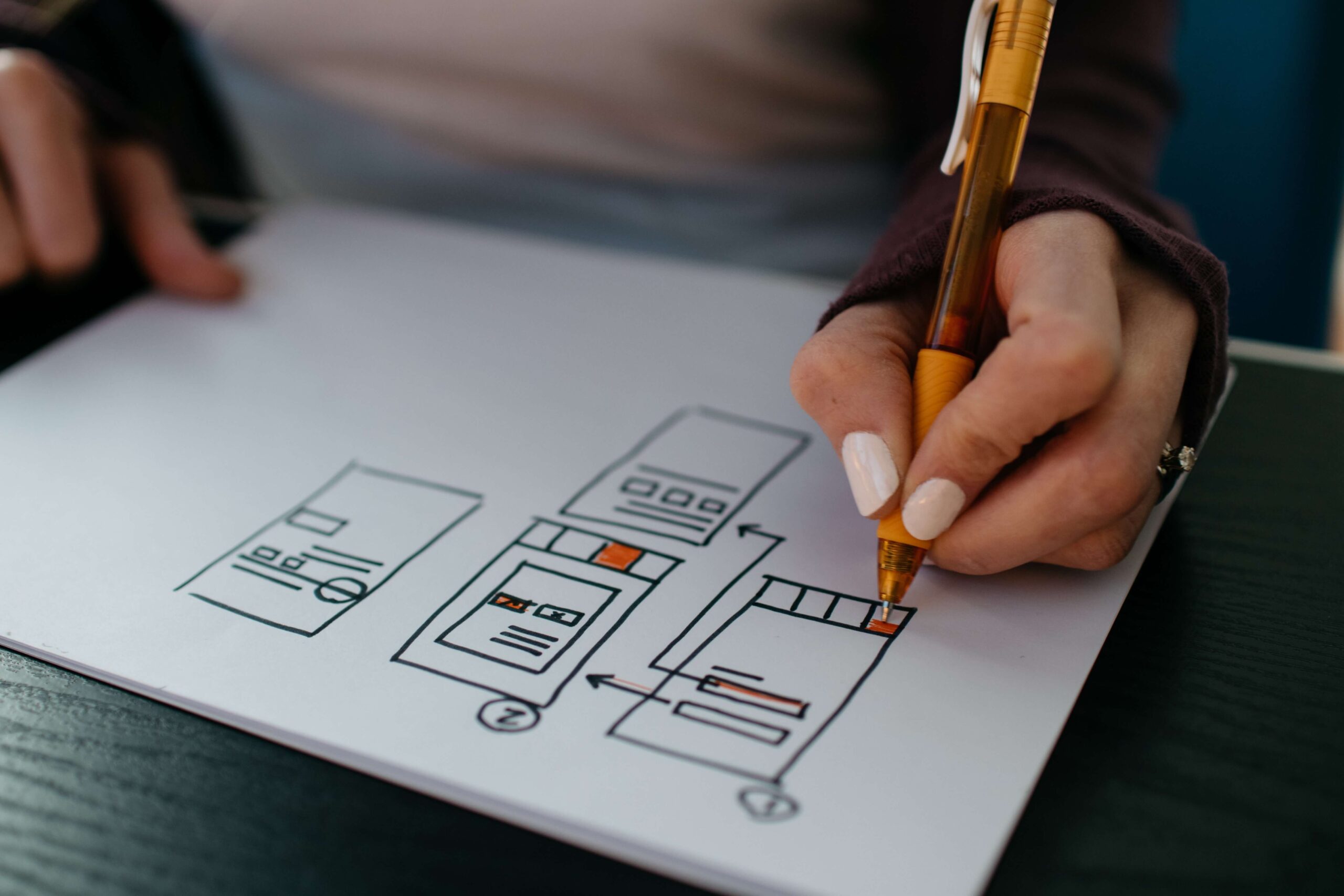
How Products Quietly Drift Off Course
No product team sets out to create a confusing experience. Complexity creeps in slowly.
A feature gets added for a new market. Another one appears after a sales conversation with a large client. A shortcut built for a tight deadline becomes permanent because removing it would require too much rework.
Each change makes sense in isolation. But over time the system begins reflecting a history of decisions rather than a single clear logic.
Users notice the difference immediately, even if they can’t explain it. Navigation feels inconsistent. Tasks take more steps than expected. Something that used to feel intuitive now requires thought.
This is where design work often turns into investigative work.
Why UX Consulting Exists in the First Place
A fresh design pass can improve visuals, but structural problems rarely disappear with new layouts. That’s why many organizations turn to ux consulting services when the product itself needs rethinking.
Consulting tends to start with questions rather than screens.
How do people actually move through the product today?
Where do they hesitate?
What assumptions shaped the current structure?
Once those patterns become clear, the design conversation changes. Instead of polishing individual pages, teams begin reorganizing the system behind them — the flows, relationships, and logic that determine how the interface behaves.
Sometimes the result looks dramatically different. Other times the changes are surprisingly subtle.
But the reasoning underneath becomes clearer.
The Role of Perspective
Another challenge with UX work is familiarity. Teams that live inside a product every day naturally adapt to its quirks. Workarounds start feeling normal.
An outside perspective breaks that pattern.
Designers who have worked across many products tend to recognize friction quickly. They’ve seen similar issues before — navigation structures that expand too quickly, onboarding steps that try to explain too much, dashboards that surface information before users actually need it.
That kind of pattern recognition is part of what makes experienced UX design firms in nyc valuable to growing product teams. Designers operating in dense technology markets encounter a wide range of software environments, from enterprise tools to consumer apps. Over time that exposure builds a strong instinct for where complexity tends to hide.
And where it doesn’t belong.
When UX Work Influences Product Strategy
Something interesting often happens during deeper UX investigations. The design conversation starts revealing product questions.
Why is this feature placed here instead of earlier in the journey?
Why does the user need this information at this stage?
Is this step still necessary at all?
Questions like these shift design work beyond the interface. They reshape the product itself.
Features merge. Steps disappear. Entire workflows simplify.
When that happens, the visual layer usually becomes calmer as a side effect. Screens don’t need as many explanations because the system finally makes sense again.
The Quiet Goal of Good UX
The strange thing about UX design is that the best results often look ordinary.
No flashy animations. No dramatic reveal.
Just an interface that behaves the way people expect. Tasks complete quickly. Navigation feels predictable. Users spend their time focusing on what they came to do instead of figuring out how the product works.
That quiet clarity is usually the sign that the hard design decisions have already happened behind the scenes.
And once they do, the experience begins to feel effortless again — even if the work that created it was anything but.
People also read this: How Exterior Shading Cuts Cooling Costs in Utah’s High-Sun Climate
