
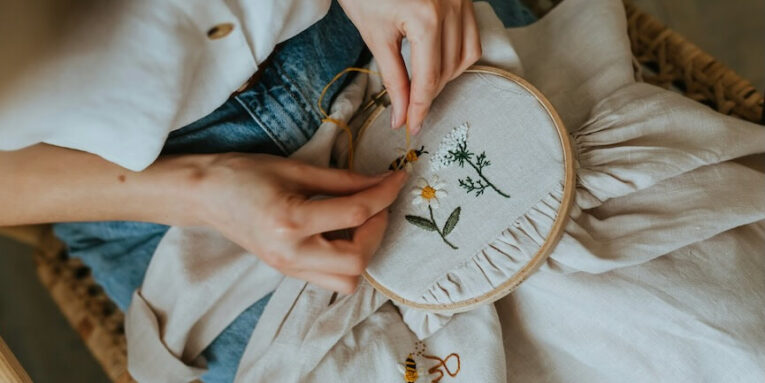
Embroidery is an ancient craft that involves decorating fabric or other materials with needle and thread or yarn. This intricate form of art has a storied history, with roots stretching back to early civilizations where it was used to embellish clothing and household items. Today, embroidery continues to be a popular technique for adding personalized touches to garments, accessories, and home decor. Whether you’re a seasoned artisan or a curious novice, unraveling the threads of embroidery can reveal a fascinating tapestry of cultural and historical significance. Keep reading to discover the depths of this enduring craft.
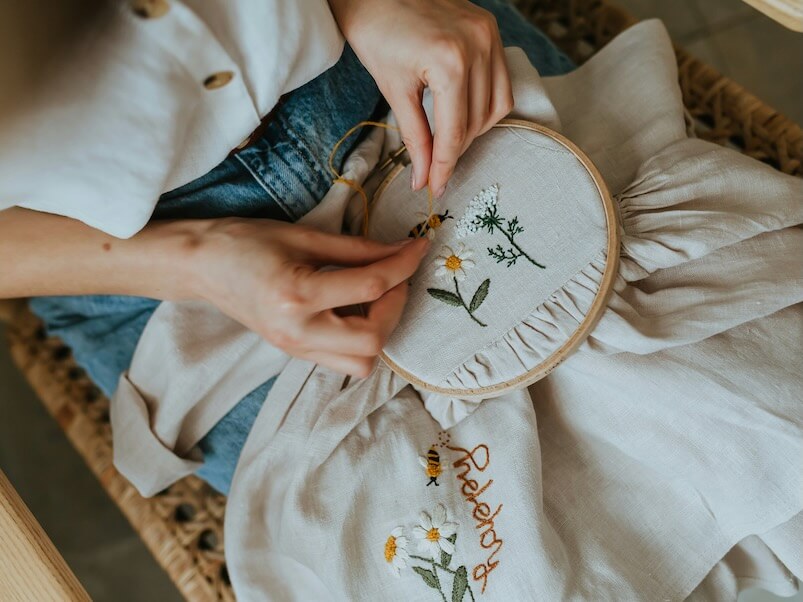
Understanding Embroidery: A Time-Honored Textile Art
Embroidery is a timeless craft that serves as a powerful form of expression. Each stitch tells a story and reflects traditions passed through generations. Originating in Ancient China and Egypt, embroidery once symbolized status and wealth. Featuring a variety of stitches, it creates intricate designs. Its versatility is evident across cultures, where it has conveyed social and political messages. In medieval Europe, embroidery adorned church vestments and noble attire. The Bayeux Tapestry is a notable example, showcasing how needlework can narrate historical events.
Embroidery’s intricate nature requires dedication and an eye for detail. Embroiderers and wholesale embroidery suppliers often spend hours meticulously crafting their designs, whether for personal enjoyment or commercial purposes. As the stitches take form, the fabric becomes a canvas for storytelling, a characteristic that keeps this craft alive in the digital age. Indeed, the patience and precision that embroidery demands are a testament to the artistry involved.
The Evolution of Embroidery: From Hand To Machine
Embroidery has evolved significantly over time, especially in production methods. Initially, all embroidery was handcrafted, making it a luxury for the elite because it took so much time to complete even small pieces. The Industrial Revolution and the sewing machine changed this by introducing machine embroidery, which greatly increased production speed and efficiency. By the late 19th to early 20th centuries, innovations in embroidery machines enabled mass production, making embroidered textiles more accessible and fostering greater creativity and experimentation.
As technology advanced, computerized embroidery machines entered the market, offering even greater precision and design complexity. These machines can replicate patterns with remarkable accuracy, allowing for uniformity across multiple items, a crucial aspect for businesses. Today’s machines can handle multiple colors and intricate patterns that once would have taken days to complete by hand.
Exploring Different Embroidery Techniques and Styles
Embroidery techniques are as diverse as the cultures from which they originate. Cross-stitch, for instance, is a popular form globally, known for its X-shaped stitches and gridded patterns. It’s often the first foray for many into the realm of embroidery, providing a simple yet satisfying introduction to the craft. On the other hand, the French knot technique, with its tiny, textured knots, is frequently used to add fine detail and dimension to designs.
Regional styles offer a glimpse into the rich tapestry of embroidery traditions. For example, the vibrant threads of Mexican embroidery display a colorful array of flowers and animals, reflecting the nation’s spirited culture. Russian embroidery, with its intricate goldwork, showcases the opulence found within Eastern Orthodox religious art. Meanwhile, the fine, delicate patterns of Japanese sashiko have gained international popularity for their minimalist beauty and functional reinforcement of fabric.
Beyond cultural variations, there are specific styles tailored to different purposes. Needlepoint, predominantly worked on canvas, is known for its durability and is often used for upholstery and home decor. In contrast, ribbon embroidery, which involves threading ribbons instead of traditional thread, offers a three-dimensional effect perfect for luxurious embellishments. Exploring these diverse techniques and styles reveals a world where creative possibilities are truly boundless.
Essential Tools and Materials for Embroidery Beginners
For beginners in embroidery, understanding the essential tools and materials is key. The main component is the fabric, which can range from linen to cotton and silk, depending on the desired effect. Choosing a fabric that complements the embroidery technique is crucial. Needles of various sizes are vital for different threads and fabrics. A good embroidery hoop keeps the fabric taut, making stitching easier and allowing for better control.
Threads and yarns, available in cotton, silk, wool, and synthetics, add color and texture to projects. Newcomers should try different thread types to see how they affect designs. Lastly, supplementary tools like specialized scissors, transfer paper for designs, and thimbles can elevate the experience and reduce frustration. As skills improve, embroiderers can explore a wider range of tools and materials.
The rich tapestry of embroidery’s past intertwines with the threads of the present to inform a future where this timeless craft continues to evolve and captivate. With each stitch, whether by hand or machine, artisans and amateurs alike contribute to the ever-expanding mosaic that is the art of embroidery.
People also read this: The Difference Between Laser Engraving, Etching, and Cutting
