
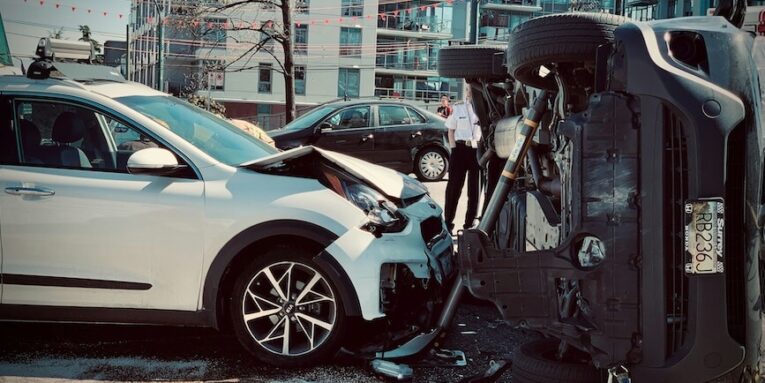
Crashes in Moultrie are most often caused by distracted driving, speeding, failure to yield, impaired driving, and unsafe turns or lane changes. These everyday driving mistakes can become especially dangerous at busy intersections, on roads with higher speeds, and when drivers misjudge traffic conditions.
Moultrie, Georgia, is the county seat of Colquitt County and serves as a regional hub for southwest Georgia. The city has a mix of local streets, commercial areas, and roads connecting surrounding rural communities, giving drivers different traffic conditions to manage. Looking at local crash statistics can help show where and why collisions happen most often.
Understanding these common causes matters because many crashes are preventable. Knowing what puts drivers, passengers, cyclists, and pedestrians at risk is a practical first step toward safer roads in Moultrie.
Distracted driving is a major crash risk
A quick glance at a phone can take your attention away from traffic. NHTSA reported 3,308 deaths and an estimated 289,310 injuries from distracted-driving crashes in 2022. Georgia law also requires drivers to exercise due care and prohibits holding or supporting a phone while driving under O.C.G.A. § 40-6-241.
Speeding and driving too fast for conditions
Speeding leaves, you less time to react. NHTSA found that speeding contributed to 29% of U.S. traffic fatalities in 2024. Georgia law goes beyond posted speed limits.
Under O.C.G.A. § 40-6-180, you must drive at a speed that is “reasonable and prudent” for the conditions and hazards present. Rain, poor visibility, road work, or busy intersections may require you to slow down.
Failure to yield and unsafe turns
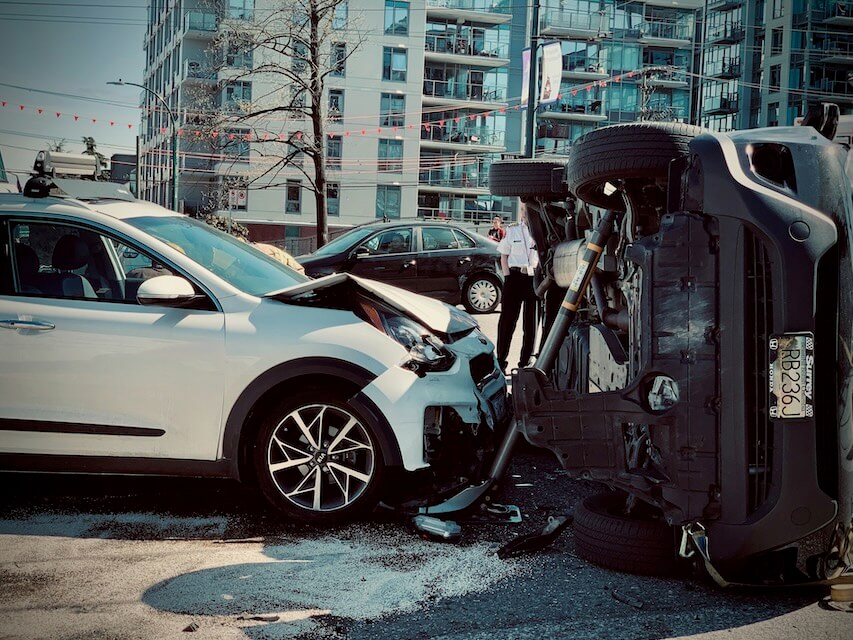
Drivers often misjudge who has the right of way. A driver may pull into traffic or turn left across an approaching vehicle. O.C.G.A. § 40-6-73 requires a driver entering or crossing a roadway from a place other than another roadway to yield to vehicles approaching on that roadway.
For instance, a driver who checks traffic too late may enter an intersection as another vehicle approaches, leaving little room to avoid impact.
Impaired driving
Alcohol and drugs can slow reaction time, impair judgment, and make it harder for drivers to maintain their lane or respond to changing traffic conditions. These effects can increase the risk of losing control of the vehicle or failing to react to hazards in time.
Impairment can become even more dangerous when combined with other risky behaviors. For example, a driver who is both impaired and speeding has less time and ability to recognize hazards, respond to sudden changes in traffic, or avoid a collision.
Following too closely and unsafe lane changes
Tailgating is another common source of rear-end crashes. If you follow too closely, you may not have enough distance to stop when the vehicle ahead brakes suddenly.
Unsafe lane changes create a different problem. Drivers may fail to check blind spots, drift between lanes, or move over without enough space. These mistakes become more dangerous around intersections and areas with frequent turning traffic.
Road and weather conditions
Not every crash comes from a single driver mistake. Rain, standing water, poor lighting, road construction, debris, and limited visibility can increase risk. Georgia’s basic speed rule requires drivers to account for these conditions.
When conditions change, adjust your speed and following distance. Slow down before curves and intersections, and give work crews extra space.
Key takeaways
- Distracted driving can cause drivers to miss signals, pedestrians, and sudden traffic changes.
- Speeding reduces reaction time and can make crashes more severe.
- Failure to yield remains a common risk at intersections and driveways.
- Impaired driving affects judgment, coordination, and reaction time.
- Tailgating and unsafe lane changes can lead to preventable collisions.
- Rain, poor visibility, debris, and road work can increase crash risks.
- Safe driving starts with attention, proper speed, patience, and enough following distance.
People also read this: Can a Failure to Diagnose Be Considered Medical Malpractice?
