
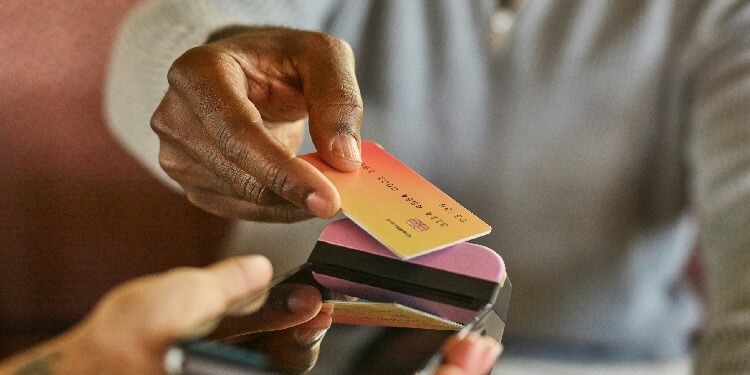
The most expensive credit card terminal a small shop can acquire is often the one offered for a small monthly fee. Oregon Public Broadcasting reported in November 2026 that such leases often last 4 years. One small company’s complaint described payments of $291 a month for 48 months, a total of nearly $14,000. The Federal Trade Commission has said that leased equipment of this kind can cost thousands when buying it would have cost only a few hundred dollars.
Hardware Purchase and Lease Terms
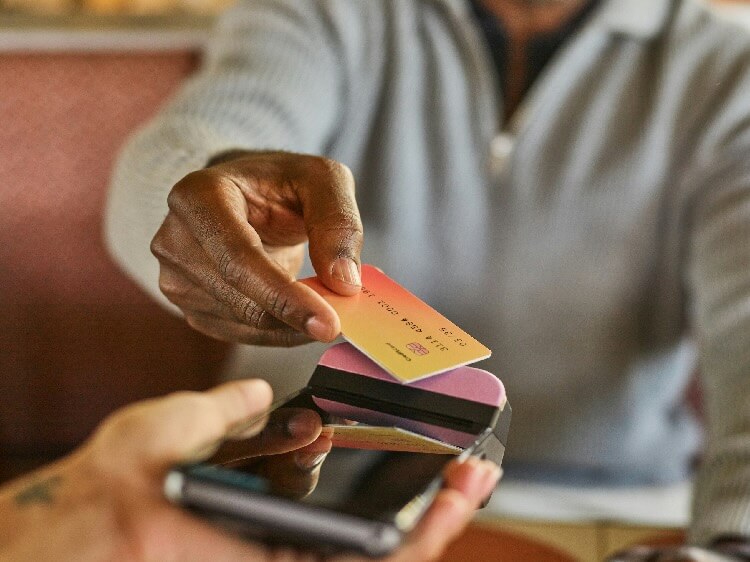
A traditional terminal is a physical device on a counter that reads chip and contactless cards and prints a receipt. An owner can buy one outright or lease one through the sales agent who signs the merchant up for card acceptance. The purchase is a single expense. The lease is a separate contract, frequently with a third-party finance company, and it can continue after the owner has stopped using the processing service attached to it.
The same agency has warned that lease agreements can hold the signer personally responsible for the debt. Read the equipment agreement as a separate document, and look for a term of 36 or 48 months and any clause that renews it automatically. Compare the total of all payments with the price of the same model from an independent seller.
A device bought today will need replacing when its software stops receiving security updates or when a provider ceases to support that model, and a terminal programmed for one provider may not work with another. Before changing providers, confirm that the machine can be reprogrammed.
Installation and Support
Power and a connection to a network or phone line are the physical requirements for a terminal, and a failed unit can leave a shop unable to take cards until a replacement arrives. Owners should ask how quickly a replacement ships and if a spare is included in the fee. A low-volume shop can keep an inexpensive phone reader as a backup for those days. Support for a virtual terminal mostly concerns logins and browsers, and most problems can be resolved in a single call.
Receipts and Portability
Paper receipts come from a countertop device, which usually stores no customer contact details. A virtual terminal emails a receipt and leaves a searchable record under the customer’s name. Portable readers that connect to a phone occupy the middle ground, and they cost a fraction of a countertop model, which makes them useful at a market stall or on a delivery route. Sellers who move between locations should check battery life and confirm that the reader can still accept a tap when cell coverage drops.
Software Access in Place of Hardware
Some companies can skip the device altogether. A secure web page replaces it when a company uses virtual terminals for payment card processing, so the company pays a modest monthly software fee or none at all and can stop using the service without returning a machine. There is nothing to ship or store, and a new employee can begin taking orders as soon as a login is issued.
A virtual terminal is built for sales in which the card is somewhere else. Typing in the number of a card held in front of the employee gives up the protection of the chip and usually raises the cost of the sale. Walk-in customers require a reader, so the shop’s decision concerns how to acquire one.
Customer Habits at the Counter
The Federal Reserve Bank of Atlanta’s Survey and Diary of Consumer Payment Choice found that 81% of US consumers had used cash in the prior 30 days in 2025. The figures for credit cards and debit cards were 71% and 67%. A corner shop will therefore keep a cash drawer regardless of the card tool it selects, and its counter still needs a way to read a tapped phone.
An architect, a roofing contractor, or a specialty wholesaler may see a customer in person only rarely, and a counter device would spend most of the month switched off. Those companies gain nothing from counter hardware.
Per-Sale Economics
Take a shop with $120,000 in annual card sales. If its provider charges 0.5 percentage points more for keyed sales, running all of that volume through a virtual terminal would cost $600 a year more than dipping or tapping the same cards. A $400 terminal bought outright pays for itself within the first year in that case. The same shop paying $291 a month on a lease would spend $3,492 a year, nearly 6 times the extra keyed cost.
Contractors who take all of their sales by phone or invoice would pay the keyed rate on either tool, so a terminal adds cost and offers nothing in return. Owners should sort the past 12 months of sales by how each order arrived before comparing price sheets.
Chip Acceptance and Liability
Merchants that postponed their move to chip readers after the October 2015 change in fraud liability felt the result quickly. American Banker reported in 2016 on the EMV liability losses at retailers that had delayed, and Kroger attributed part of a rise in operating costs to higher chargeback losses.
An older device exposes a small shop to the same risk, since a counterfeit card accepted by swipe can become the merchant’s loss. A virtual terminal avoids the hardware upgrade cycle, although its keyed sales have a fraud exposure of their own that no chip can reduce.
Bookkeeping Treatment
Many owners treat a purchased terminal as a capital asset, and the basic way to calculate depreciation is to take the cost of the asset minus any salvage value over its useful life. Many small companies can simply expense an item at this price, and an accountant can confirm which treatment applies.
A software subscription is an operating expense, recorded month by month. A lease payment is usually handled the same way.
Fixed Commitments Under Cost Pressure
The National Federation of Independent Business index of small business optimism fell to 90 in September 2026, and 1 in 5 owners named inflation as their top problem. Under that pressure, a monthly obligation that cannot be canceled is a poor commitment, and a virtual terminal or a purchased reader leaves more room to adjust if sales fall. Ending a processing contract early can bring a termination fee, and paying that fee does not end a separate equipment lease.
A personal guarantee makes the signer personally responsible if the company defaults, and a lease that contains one can remain the owner’s debt after the shop has closed.
Combined Setups
A bakery may use a counter reader for walk-in sales and a virtual terminal for birthday cake deposits taken by phone. The bakery’s owner should ask for one reporting view across the counter and phone channels and should confirm that the reader and the web page settle to the same bank account on the same schedule. Staff should also know which tool applies to which sale, because a phone order typed into a counter device is still priced as a keyed transaction.
Multiplying by 48
At $291 a month, that 48-month lease came to nearly $14,000. Before accepting any free or low-fee terminal, multiply the monthly charge by the number of months in the contract and compare the result with the retail price of the machine.
People also read this: 6 Ways to Save Money on Jewellery: Making Supplies for Your Business
