
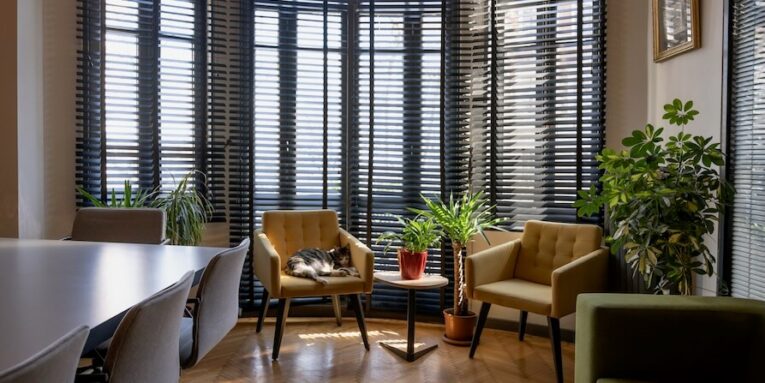
Flexible working arrangements are changing how New Zealand businesses use their office space. With employees dividing their time between home and the workplace, your furniture needs to accommodate varying attendance, collaborative activities and changing operational requirements. Rather than committing to a fixed layout or replacing everything with new furniture, you can make more practical purchasing decisions by prioritising adaptable designs, durable materials and quality second-hand options.
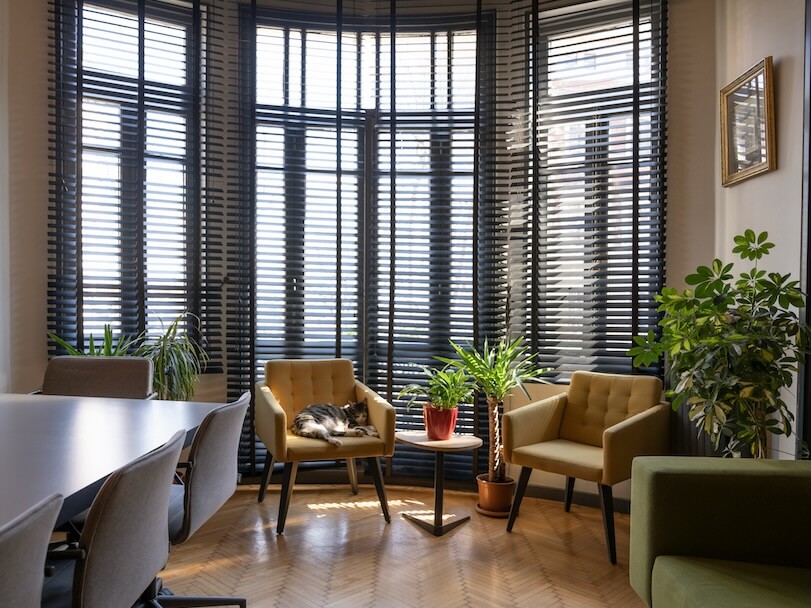
Choose Quality Second-Hand Office Furniture
Buying second-hand office furniture allows you to furnish your workplace without automatically investing in entirely new equipment. Well-maintained commercial desks, office chairs, meeting tables and storage units can remain functional for years, making their condition and suitability more important than their age.
When considering solutions such as commercial office furniture from FIL Furniture, assess dimensions, construction quality and compatibility with your existing workspace. Check surfaces for damage, test adjustable mechanisms and confirm that essential fittings are intact. Selecting furniture with sufficient usable life supports a circular economy, where products remain in use rather than being prematurely discarded.
Select Furniture That Supports Changing Team Sizes
Your office may accommodate different numbers of employees throughout the week, particularly when hybrid working arrangements are in place. Fixed furniture configurations can limit your ability to accommodate these fluctuations without reorganising the entire workplace.
Consider freestanding desks, compact workstations and modular furniture that can be rearranged as your requirements change. Individual desks may work well for focused tasks, while grouped workstations can support teams working together. Choose dimensions that allow different configurations without obstructing walkways, doorways or access to shared facilities.
Prioritise Adjustable and Comfortable Workstations
Furniture flexibility should extend to the people using it. Employees have different physical requirements, and shared workstations need to accommodate those differences without compromising comfort.
Adjustable office chairs with appropriate back support, functional height controls and stable bases are practical choices. Height-adjustable desks can provide additional flexibility, particularly in spaces where different employees use the same workstation. WorkSafe New Zealand identifies adjustable furniture and appropriate workstation setup as important measures for reducing discomfort associated with computer work. Following sound ergonomic principles helps you select furniture that supports different users and working positions.
Use Versatile Furniture in Collaborative Spaces
Meeting rooms and shared areas often serve several purposes throughout the working day. A space might accommodate a formal presentation in the morning, an informal team discussion after lunch and individual project work later. Choosing furniture that can be easily rearranged or stored helps you accommodate these activities without permanently dedicating floor space to one purpose.
A study examining multifunctional furniture found that a prototype combining several functions occupied considerably less space than equivalent single-purpose furniture items. This highlights the potential value of space-saving designs, particularly when your office has limited room. Lightweight meeting tables, stackable chairs and mobile storage units offer practical flexibility, while folding tables can free up floor space between activities. Ensure furniture can be moved safely and that different arrangements maintain clear walkways.
Focus on Durability and Long-Term Value
The lowest purchase price does not always represent the best furniture investment. Frequent replacements, damaged mechanisms and incompatible fittings can increase expenditure over time, especially when furniture is regularly moved or shared.
Assess whole-life costs by considering purchase price, delivery, installation, maintenance and expected service life. Commercial-grade furniture with sturdy frames, replaceable components and durable finishes may offer better value than cheaper alternatives requiring frequent attention. Keeping furniture dimensions and finishes reasonably consistent can also simplify future additions and replacements.
Build a Workplace That Can Evolve
Smarter furniture choices help your workplace respond to changing employee numbers, working patterns and business priorities without unnecessary expenditure. By combining quality second-hand furniture with adjustable workstations, versatile layouts and durable fittings, you can create an office that remains practical as your organisation evolves. The aim is to invest in furniture that works for your current requirements while retaining the flexibility to accommodate what comes next.
People also read this: What Actually Goes in a Sales Folder, From a Guy Who Prints 15,000 a Day
