
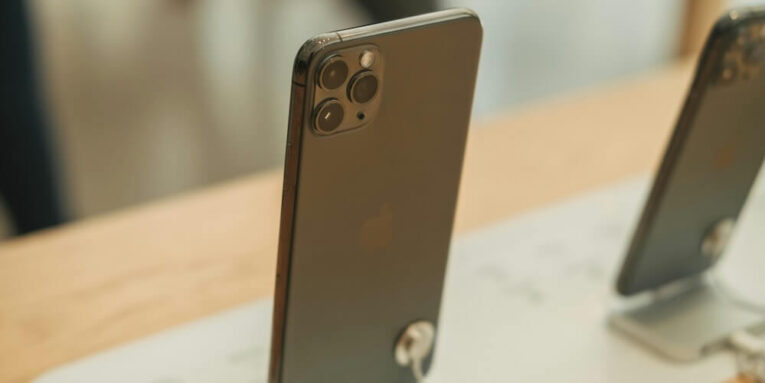
Every product launch comes with flashing lights, countdown timers, and the quiet implication that last year’s model is somehow beneath you. However, if you’ve been paying attention, you’ve probably noticed a shift. More people around you are buying refurbished phones, laptops, and tablets, and they’re not doing it out of desperation. They’re doing it because they’ve figured something out you might still be missing.
The smart buyer mindset isn’t about settling. It’s about refusing to pay a premium for a box.
What “Refurbished” Actually Means
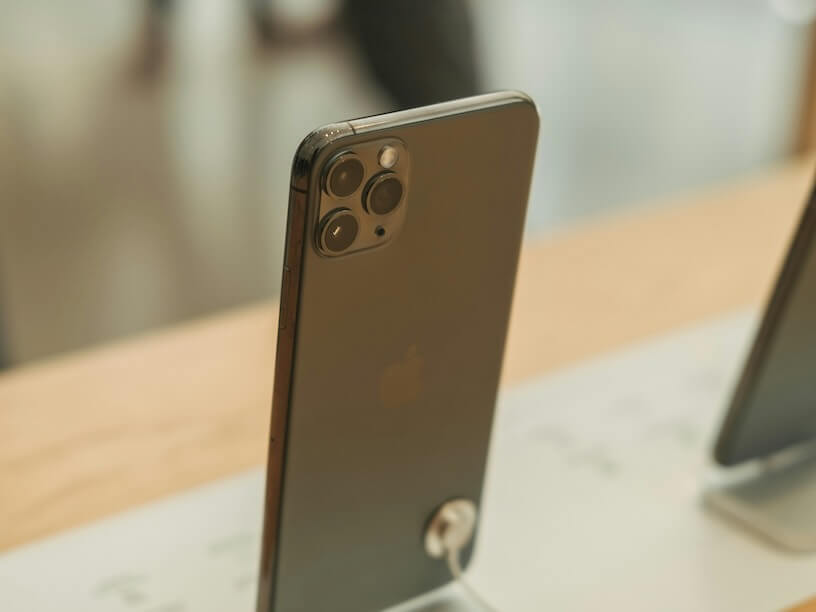
When you hear the word refurbished, you might picture a scuffed device with a cracked bezel sold out of someone’s trunk. That’s not what the market looks like today. When you buy a Refurbished iPhone 15 or any certified refurbished product from a reputable seller or manufacturer, you’re typically getting a device that has been tested, repaired to factory standards, cleaned, and repackaged, often with a warranty included.
In many cases, the difference between a new device and a refurbished one is invisible to you as a user. The price difference, however, is very visible. You can save 20% to 50% on flagship devices by choosing a unit that’s been previously owned and professionally restored.
The Environmental Case You Can’t Ignore
Here’s something worth sitting with: manufacturing a single smartphone produces roughly 70 kilograms of CO₂ equivalent emissions. Most of that environmental cost happens before the device ever reaches your hands.
When you buy refurbished, you’re extending the useful life of an existing device. You’re choosing not to generate demand for another round of mining, manufacturing, and shipping. That’s not a small thing. Consumer electronics are one of the fastest-growing waste streams on the planet, and your purchasing decisions, multiplied across millions of buyers, genuinely shape what gets produced.
Choosing refurbished is one of the most concrete, low-effort ways to reduce your personal tech footprint without giving anything up.
The Value Math Works in Your Favor
Let’s talk numbers. If you buy a flagship smartphone new for $1,100 and sell it two years later for $400, your net cost is $700. If you buy a certified refurbished version of the same phone for $720 and sell it two years later for $300, your net cost drops to $420. You’ve used the same phone, had essentially the same experience, and kept an extra $280 in your pocket.
That gap compounds when you apply the same logic to laptops, tablets, headphones, and smart home devices. Over a decade of tech purchases, the savings aren’t trivial; they’re genuinely significant.
Where to Start Without Getting Burned
Not all refurbished sellers are equal, and that’s where smart buying actually earns its name. You should look for certified programs backed by the original manufacturer — Apple Certified Refurbished, Samsung Certified Pre-Owned, and Dell Outlet are reliable starting points. Third-party platforms like Plug have built reputations on quality grading and return policies that protect you.
Always check the grading system, confirm the return window, and verify that a warranty is included. If a listing doesn’t tell you who refurbished the device or what was tested, walk away.
The Mindset Shift Is the Real Upgrade
Buying new isn’t smarter; it’s just more familiar. Once you start evaluating tech purchases by what a device actually does for you rather than how recently it was manufactured, your relationship with consumer technology changes entirely. You spend less, waste less, and make decisions with clarity rather than under marketing pressure.
That’s the smart buyer mindset. And it’s gaining momentum for good reason.
People also read this: How to Gather Evidence After a Dog Bite Injury
