
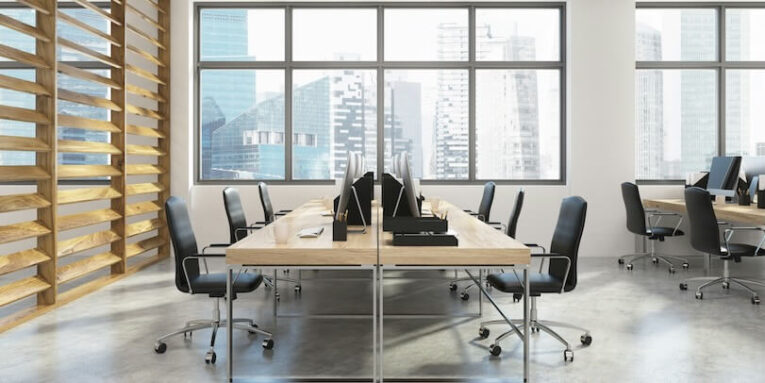
A serviced office in Australia offers far more than a desk and four walls. Businesses choose these spaces because they want simplicity, flexibility, and support in one place. Serviced offices in Australia include technology, front desk support, meeting facilities, security, and shared areas that help teams work with ease from day one.
This article explores what sits behind the workspace itself. It looks at the systems, services, and shared features that shape the daily work experience and support steady business growth.
High-quality IT infrastructure and reliable internet connectivity
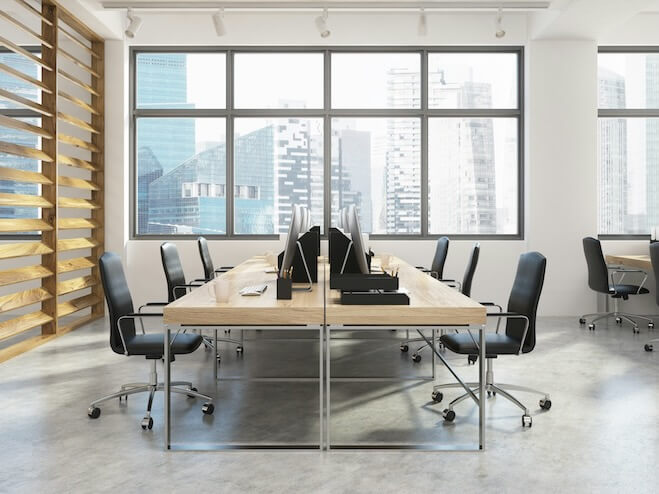
High-quality IT infrastructure forms a core part of serviced offices in Australia. Serviced office providers such as Servcorp include business-grade internet, secure Wi-Fi, and private network access as part of their offerings. This setup supports daily tasks like video calls, cloud software use, and large file transfers without delays.
In addition, many centres install modern hardware such as routers, switches, and structured cabling to manage data flow across the office. These systems link private suites, shared areas, and meeting rooms into one stable network. As a result, teams can work across devices without constant dropouts.
IT support also forms part of the package. On-site or remote technicians help with setup, network access, and basic troubleshooting. Therefore, businesses avoid the cost and effort of building their own systems from scratch.
Secure data management often comes standard. Firewalls, monitored networks, and controlled access points protect company information and client data. This level of infrastructure suits small firms and larger teams that depend on steady digital access each day.
Professional receptionist and call answering services
Many serviced offices in Australia include a professional receptionist as part of the package. This person greets visitors, manages deliveries, and keeps the front desk organised. As a result, businesses present a polished and consistent image from day one.
In addition, many centres provide call answering services. A trained receptionist answers calls in the company’s name, takes clear messages, and forwards them to the right person. Therefore, no important call goes unanswered during business hours.
Some providers also offer 24/7 or after-hours support for an added fee. This suits businesses that deal with clients across time zones or outside standard office hours. As a result, clients reach a real person instead of voicemail.
Pay-per-call plans may also be available. This allows small teams to control costs while still offering a professional phone presence.
Access to fully equipped meeting and conference rooms
Serviced offices in Australia often include access to fully equipped meeting and conference rooms. These spaces give teams a professional place to meet clients, partners, and staff without the need to book an external venue.
Most centres provide meeting rooms with large screens, video conferencing tools, and fast business-grade internet. As a result, teams can host presentations, interviews, and board meetings with ease. Some offices also offer secure printing and tech support, which helps sessions run smoothly.
In addition, reception staff may greet guests and direct them to the correct room. This creates a polished first impression and saves time for the business. Shared kitchens and breakout areas nearby also allow for short breaks between sessions.
Booking systems usually allow businesses to reserve rooms by the hour or day. Therefore, companies only pay for the space they use, which keeps costs clear and predictable.
Security measures including controlled entry and surveillance
Serviced offices in Australia usually include controlled entry systems. Tenants and approved visitors use key cards, PIN codes, or mobile access to enter the building and private suites. As a result, operators can limit access to authorised people only.
Reception staff often check in guests and record visitor details. In addition, many sites use after hours access logs to track entry and exit times. This approach supports tenant safety and helps address disputes if they arise.
Most buildings also use CCTV in common areas such as lobbies, lifts, and corridors. Operators must follow Australian and state laws that regulate workplace surveillance, including rules on notice and use of recorded data. Therefore, tenants can expect clear policies that explain how footage is stored and who can view it.
Some centres also include on site security patrols, especially in larger buildings. Together, these measures support a secure and controlled work setting.
Collaborative lounge areas and communal workspaces
Serviced offices in Australia often include lounge areas and shared work zones. These spaces give members a place to step away from their desks and connect with others. As a result, teams can share ideas in a more relaxed setting.
Many providers design these areas with comfortable seating, large tables, and quiet corners. In addition, they place power points and strong internet access throughout the space. This setup allows people to work alone or with others without booking a meeting room.
Communal workspaces also support networking between different businesses in the same building. For example, a consultant may meet a start-up founder in the lounge and start a new project. Therefore, these shared areas can lead to practical business links.
Some serviced offices also include business lounges near reception. Clients can wait in a professional space, and members can hold informal chats there. This adds flexibility beyond the private office itself.
Conclusion
Serviced offices in Australia include furniture, internet, utilities, reception support, conference rooms, and IT help, all within one monthly fee. This setup gives businesses clear costs and fast move-in, with short lease terms that suit growth or change.
In addition, shared areas, security, and on-site staff help teams work in a professional space from day one. As a result, serviced offices offer more than desk space; they deliver structure, support, and flexibility that fit many Australian businesses.
People also read this: The Importance of Medical Evacuation in Travel Health Insurance for Remote Areas
