
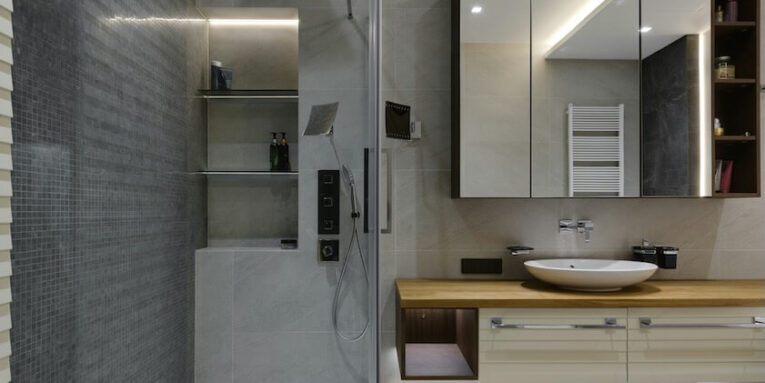
To avoid common wet room mistakes, UK homeowners must focus on precise floor gradients, efficient drainage, and selecting the correct glass barriers. Many wet room layout mistakes occur when splash zones are not properly planned, but these are easily solved by choosing the right wet room screens and matching them with a durable base. Whether you prefer a fully tiled floor or the reliable protection of slate effect trays, a well-planned wet room adds immense luxury and value to any modern home.
A wet room is the ultimate choice for a modern, high-end bathroom. It offers an open-plan feel that makes even a small room look like a luxury spa. However, because wet rooms look so simple, it is easy to overlook the technical details.
Many homeowners only notice certain “mistakes” after the project is finished and they begin using the shower daily. The good news is that these are not “problems”—they are simply design choices that work best when planned correctly from the start. This guide highlights the common pitfalls and explains how the right products can help you create a flawless, designer sanctuary.
1. Assuming Every Floor Type Is Ready for a Wet Room
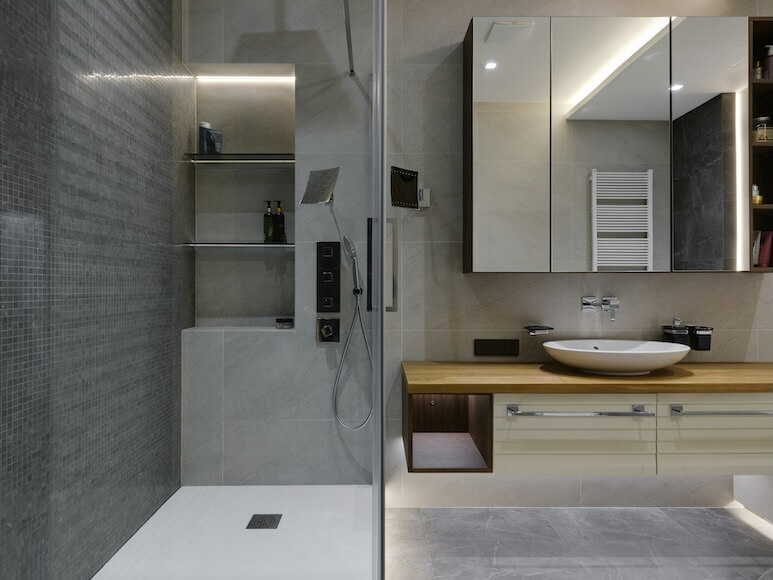
A common error is starting a project without checking the floor structure. In the UK, many bathrooms have wooden joists. While you can create a wet room on wood, it requires careful “tanking” (waterproofing) to be watertight. If you want the wet room look without the high cost of structural changes, a low-profile tray is the perfect answer. Walk-in enclosures paired with ultra-slim shower trays give you that seamless, floor-level entry. This approach provides the modern aesthetic you want while ensuring the base is 100% stable and leak-proof.
2. Overlooking the Importance of Drainage Slopes
One of the most frequent wet room layout mistakes is a floor that doesn’t slope correctly toward the waste. If the gradient is too flat, water will pool instead of draining away. This can make the floor slippery and cause grout to wear down over time. The simple solution is that you can take the guesswork out of drainage by using a pre-formed base. Choosing a rectangular tray or a slate-effect tray ensures that the slope is already built into the design. These trays are designed to guide water perfectly toward the waste, keeping your bathroom floor dry and safe with zero effort.
3. Choosing the Wrong Size for Your Wet Room Screens
Homeowners often pick a glass screen that is either too small to stop splashes or too large for the room’s layout. A screen that is too short allows water to reach your towels and vanity unit, which can be frustrating during the morning rush. The secret to a successful layout is “zoning” with high-quality wet room screens. For the best results, many designers use a main glass panel with smaller return side panels. This creates a stylish “L-shape” that catches every splash while keeping the entrance open and accessible. It’s the perfect way to balance a minimal look with total practicality.
4. Choosing a Showering Zone That Interrupts the Room’s Flow
A common wet room mistake is placing the shower zone where it blocks the path to the sink or toilet. Because wet rooms are open-plan, the “zone” is defined by your glass and your drainage, and it must fit the geometry of the room. Match your wet room planning to the specific layout of your bathroom:
- Corner Zones: Use a single screen or an L-shaped glass configuration in the corner to keep the middle of the room clear.
- Alcove (Recessed) Zones: If your shower is between three walls, a single recessed door or a simple walk-in screen creates a neat, “hidden” shower area.
- Walk-through Zones: In larger master suites, placing a screen in the centre allows you to enter the shower from either side for a truly architectural look. By matching your shower enclosures to your floor plan, you ensure the room remains easy to move through.
5. Prioritising Ultra-Minimal Style Over Everyday Comfort
Many walk in shower ideas skip doors entirely. While this looks stunning, a completely open wet room can sometimes feel a bit cold because there is no enclosure to trap the steam and warmth. You can keep the modern wet room look while adding comfort. Minimalist shower doors like sliding doors, pivot doors, or bi-fold doors can be used with a low-profile tray to trap warmth. These glass options allow you to maintain that clean, open-air feeling while ensuring your shower stays warm and cosy.
6. Selecting the Wrong Wet Room Base Material
Choosing a base purely on price rather than durability is a common long-term regret. Some materials can feel “hollow” or be difficult to keep clean in hard-water areas. For a premium feel, stone resin trays are the gold standard for wet room foundations. They are incredibly solid and durable. If you want a more natural finish, slate effect trays are the perfect choice. They offer a textured surface that looks beautiful and provides excellent grip. Whether you need square trays or rectangular trays, choosing a high-quality material ensures your wet room feels expensive and safe.
7. Forgetting About Finish Maintenance in Open Wet Rooms
Many homeowners choose a bold finish like black or brushed brass without thinking about how to maintain it. Because wet rooms are open, these finishes are very visible and are often exposed to soap splashes.Modern finishes are actually very easy to care for when you choose the right one for your style:
- Chrome: Highly reflective, classic, and very easy to shine.
- Black: Provides a stunning modern contrast in walk in enclosures.
- Brushed Brass and Brushed Bronze: Add a warm, high-end glow to the room.
- Brushed Nickel and Grey: These are excellent at hiding water spots. Using a squeegee on your glass and choosing a finish that suits your lifestyle will keep your wet room looking brand new for years.
8. Using Low-Quality Glass in Open Wet Room Layouts
Using thin glass in a large walk-in area is a mistake because it can rattle and feel unstable. This takes away from the luxury feel of a professional wet room. For a true designer finish, always look for 8mm or 10mm toughened safety glass. This thickness ensures your wet room screens feel solid and secure. High-quality glass also often comes with “easy-clean” coatings, which repel soap scum and keep the room looking hygienic with minimal effort.
9. Ignoring Ventilation for Open Walk In Shower Ideas
A common wet room mistake is not upgrading the ventilation. Because wet rooms are open, moisture travels further than in a closed cubicle. This can lead to dampness on your bathroom furniture if not managed correctly. A powerful extractor fan is a small investment that makes a huge difference. It dries the floor quickly and protects your vanity units and mirrors. When paired with smart wet room layout mistakes prevention, good ventilation ensures your space stays a fresh, dry, and healthy environment.
10. Not Seeing the Long-Term Value of a Designer Wet Room
Some homeowners see a wet room as a “temporary trend.” They may settle for basic fixtures that don’t quite fit the luxury potential of the space. A well-planned wet room is one of the best ways to add value to a UK property. Its “level-access” design is future-proof and accessible for all ages. By investing in quality components from a sturdy rectangular tray to a designer brushed brass shower screen, you create a timeless sanctuary. It is a practical, high-value upgrade that improves your daily life and your home’s appeal.
Conclusion
Creating a flawless wet room is all about making smart decisions during the planning phase. While it is helpful to know which wet room mistakes to avoid, the focus should always be on the beautiful results you can achieve. By selecting the right wet room screens, matching them with a durable slate effect tray, and choosing a finish that suits your style, you can create a space that is a joy to use every day.
People also read this: How to Fix Toner Smudging Issues
