

Supportive healthcare devices are helpful for people who manage daily activities – these tools assist individuals who have difficulty moving, possess physical limitations or are in recovery. Healthcare devices make everyday tasks more manageable and improve the quality of life, ranging from simple home helps to advanced equipment for movement.
Many patients, older adults and individuals recovering from medical conditions use supportive equipment to maintain their routines – these devices lower physical strain. They provide practical assistance and allow people to stay active in ways that support their well being.
Improving Daily Independence
Supportive healthcare devices allow individuals to complete tasks with less help from others. Moving around the home, standing from a chair or reaching for items is easier when the correct equipment is available – this independence helps individuals maintain confidence while they manage their personal care.
Devices for mobility also help users make safer choices – Walkers, transfer aids and specialized seats lower the difficulties of limited movement. As an example, lift chairs for seniors are tools that help users move between sitting and standing positions with less discomfort.
Enhancing Mobility And Movement
Mobility devices are useful for people who have difficulty walking or balancing – these tools provide stability and lower the risk of falling. Because they offer support, healthcare devices allow individuals to move through their homes and communities with more confidence.
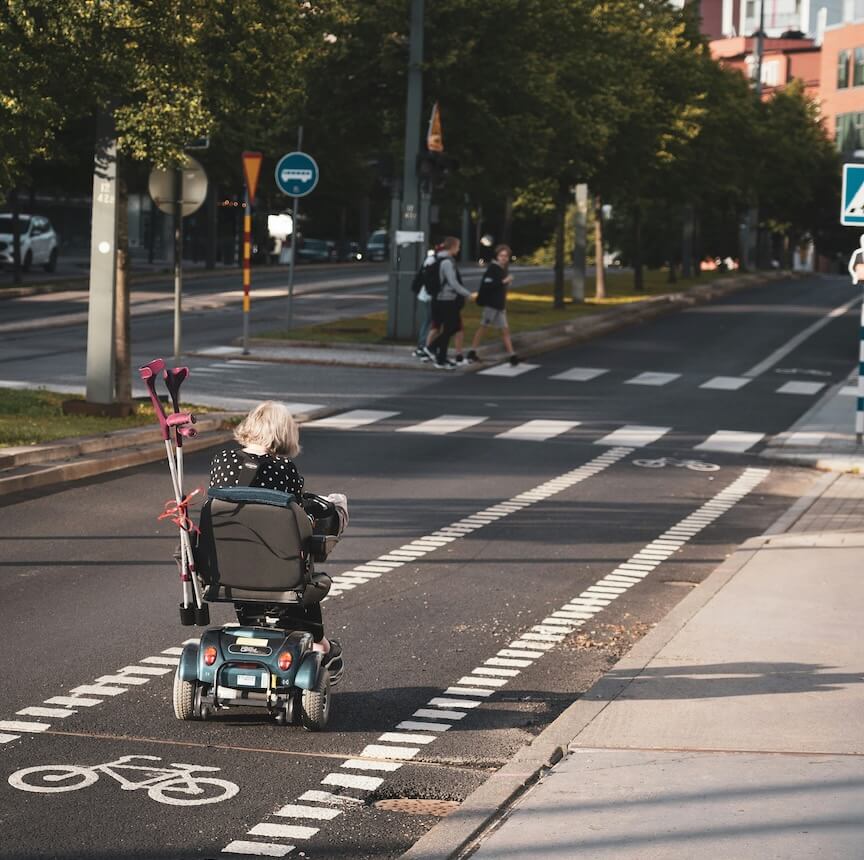
A mobility scooter is another type of equipment that helps people stay active when walking long distances is difficult – these devices provide the freedom to complete errands, attend appointments or participate in social events. Selecting the correct mobility solution depends on the physical abilities of the individual and the advice of healthcare professionals.
Reducing Physical Discomfort
Supportive healthcare devices lower the discomfort that results from physical limitations or long periods of activity. Equipment that is well designed improves body positioning and reduces pressure on areas that experience strain – this makes daily routines more comfortable for individuals with ongoing health concerns.
Devices focused on comfort also support better posture during the day. For individuals who sit or rest for long periods, supportive seating helps create a comfortable environment – these improvements contribute to well being – reducing physical stress.
Supporting Recovery And Rehabilitation
Healthcare devices are common during recovery to help individuals regain strength. After surgery, injury or illness, patients often need support while they rebuild their abilities. The correct equipment provides stability during rehabilitation and encourages safe progress.
Rehabilitation devices also help healthcare providers create effective recovery plans – these tools allow patients to practice activities with fewer risks – supporting controlled movement – this support makes the recovery process more manageable as individuals work toward health goals.
Improving Home Safety
A safe home environment is important for people with mobility challenges. Healthcare devices lower hazards – helping individuals move securely through different rooms. Equipment designed for stability makes everyday spaces easier to navigate.
Home safety improvements are also helpful for caregivers – Supportive devices lower the physical effort required to help another person with daily tasks – this creates a safer environment for both the user and the caregiver.
Choosing Suitable Healthcare Devices
Selecting a supportive healthcare device requires a review of a person’s specific needs and lifestyle. Equipment is most effective when it is practical and fits into a daily routine. Consulting with healthcare professionals helps individuals find options that provide the correct level of support.
The most effective devices are those that improve comfort without limiting independence. As healthcare technology develops, more solutions are available to help people manage mobility and maintain their lifestyle. Careful selection ensures that equipment provides support over time.
Conclusion
Supportive healthcare devices provide assistance with movement, comfort and daily tasks – these tools improve independence, increase safety and support recovery. With the correct equipment, individuals are more comfortable and can continue to participate in daily life.
People also read this: Why Flexible Showing Schedules Help Sell Your Hamilton Ontario Home
