

Feeling well and still wondering whether to book a preventive health screening is common. Perhaps your last blood test was years ago, or a friend’s unexpected diagnosis has made you think about your own health. Once you start looking, though, the list of tests on offer can seem long and confusing.
Most people want to know which tests they need and how often to have them. For most people, the answer depends on your age, sex, family history and lifestyle, so a sensible health screening starts with a few core checks and adds others where your risk calls for them. In practice, many adults need fewer tests than a long package list suggests.
In this article, we will explain what a preventive health screening is, what a full screening includes, whether you need a comprehensive one, how often to go and how to prepare.
Why Is Health Screening Important?
Health screening is important because it can find health problems before they cause symptoms, while you still feel well. Because high blood pressure, type 2 diabetes and high cholesterol often cause no symptoms for years, a screening may be the first chance to find them.
An annual physical with your doctor is preventive care too, since its aim is the same: looking for problems rather than treating an illness you already have.
Here is how regular health screening helps over time:
- Earlier diagnosis – conditions such as diabetes and some cancers are often easier to treat when they are found before symptoms appear.
- Knowing your risk – your blood pressure, cholesterol and blood sugar show how likely you are to develop heart disease or diabetes, so you can make changes while your health is still good.
- Tracking health trends – results from one screening can be compared with the next, so a gradual change, such as slowly rising blood sugar, may be noticed before it causes problems.
What Does a Full Health Screening Include?
A full health screening usually includes a physical examination, blood and urine tests, heart tests and cancer screening, with the exact tests chosen for your age, sex and family history.
Here is what the main parts look for:
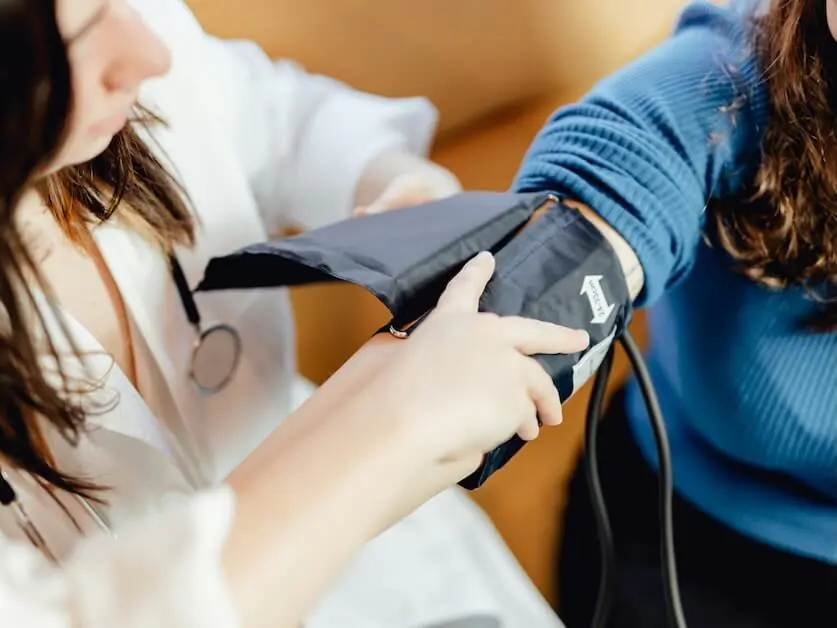
- Physical examination – checks your height, weight, waist size, blood pressure and heart rate, and asks about your medical history and lifestyle. Blood pressure matters because high blood pressure (hypertension) rarely causes symptoms.
- Blood tests – a lipid panel measures cholesterol and triglycerides (a blood fat), and a fasting glucose or glycated hemoglobin (HbA1c) test checks for diabetes. And a complete blood count (CBC) can show anemia (too few healthy red blood cells), while kidney and liver tests show how well these organs work.
- Urine test – can find protein, sugar or blood, which may point to a kidney problem, diabetes or an infection.
- Heart tests – many screenings add an electrocardiogram (ECG), a painless test of your heart’s electrical activity that can detect an irregular heartbeat.
- Cancer screening – a stool test or colonoscopy (a camera examination of the colon) checks for colorectal cancer, usually from around age 45. Men may also discuss a prostate-specific antigen (PSA) blood test with their doctor, as whether it helps depends on age and risk.
If your results, symptoms or family history suggest a heart problem, your doctor may suggest further heart tests, such as an echocardiogram (an ultrasound scan of the heart) or a treadmill stress test.
What Is a Women’s Health Screening?
A women’s health screening is usually the standard set of tests plus added tests for cervical cancer, breast cancer and bone health.
Because these conditions become more common at different ages, the tests have different usual starting points:
- Pap smear – checks cells from the cervix (the lower part of the uterus) for changes that may lead to cancer, often alongside a human papillomavirus (HPV) test. Women usually start this screening at age 21 and repeat it every three to five years, depending on the test.
- Mammogram – a breast X-ray that can find cancer before a lump can be felt, usually offered from around age 40.
- Bone density scan – measures bone strength to check for osteoporosis (thinning bones), usually after menopause. You may need one sooner if you smoke, take steroids or have a family history of osteoporosis.
What Is a Comprehensive Health Screening?
A comprehensive health screening adds more tests to the basic set, such as kidney, liver and thyroid tests and an ECG. Even so, you may not need one if you are younger and feel well, because a basic screening already covers the core tests. That said, a longer list does not necessarily mean better care, since more tests can also mean more borderline results that need further testing.
Here is how a basic and a comprehensive screening usually differ:
| Basic (general) health screening | Comprehensive health screening | |
| Typical tests | Physical examination, blood pressure, lipid panel, blood sugar, complete blood count and urine test | The basic tests, plus kidney, liver and thyroid tests, an ECG and screening tests for your age and sex |
| Often suits | Adults under 40 who feel well, with no long-term condition or family history of early disease | Adults over 40, or anyone with a long-term condition or a family history of disease |
How Often Should You Get a Health Screening?
Most adults have a health screening every one to three years, although the right gap depends on your age, current health and family history.
In general, many people have one every few years in their 20s and 30s and more often from their 40s.
The typical pattern by age looks like this:
- 20s and 30s – if you feel well, a basic screening every few years may be enough, covering blood pressure, weight, blood sugar and cholesterol.
- 40s and 50s – screenings are often suggested every year or two. That is because the risk of high blood pressure, diabetes and heart disease rises with age. Breast and colorectal cancer screening may also begin around this time.
- 60 and over – health screening for older adults is commonly yearly and may add checks on bone density, eyesight, hearing and memory. It can also be a good time to review your medications.
Since health risks differ from person to person, your doctor can help you decide how often to have a screening and which tests to include.
How to Prepare for a Health Screening
To prepare for a health screening, follow your clinic’s instructions, as these depend on the tests you are having. Some blood tests, such as a fasting glucose test, may require fasting for 8 to 12 hours, though water is usually allowed. You may also be asked to avoid heavy exercise or alcohol the day before.
On the day, bring your medical records and a list of your medications, and wear sleeves that roll up easily. It also helps to write down your symptoms or questions beforehand, as the consultation may be short.
A health screening can take from about an hour to half a day or more, depending on the number of tests. Results may take a few hours to a few days and are usually explained at a follow-up consultation.
Conclusion: A Clear Starting Point for Your Health
A preventive health screening does not need to be a long list of tests to be useful. Instead, the right tests for your age, sex and family history can find common conditions early, when they are often easier to treat, and show you which habits are worth changing first.
Beyond that, a screening gives you a clear starting point, so you can see how your blood pressure, cholesterol and blood sugar change as your habits do. With your doctor’s help, you can choose the tests that suit you and look after your health for many years to come.
People also read this: What Research into 758 Breweries Reveals About Running a Small Business in a Tough Market
