

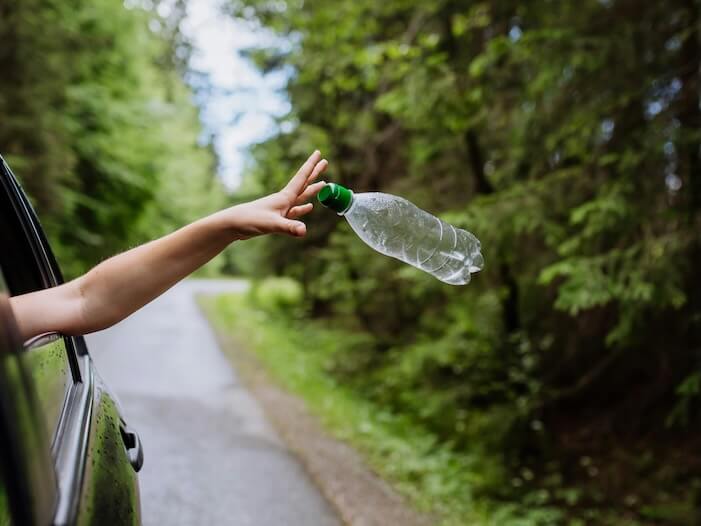
Plastic is everywhere. It’s in our homes, our clothes, even in the air we breathe. It’s hard to imagine a world without it because it’s so cheap, light, and convenient. But behind that convenience lies a massive problem. Plastic doesn’t disappear; it breaks down into tiny particles that invade oceans, harm animals, and eventually enter our own bodies. The truth is uncomfortable but necessary: the planet is drowning in plastic, and we are the ones holding the hose.
The good news is that you don’t need to overhaul your entire life overnight to make a difference. Living plastic-free isn’t about perfection; it’s about mindfulness, consistency, and intention in every small decision you make each day.
Start by Noticing
Before changing anything, begin by observing. Spend one week paying attention to your daily habits. Notice how many plastic items you touch without even realizing it: bottles, wrappers, cups, containers, toothbrushes. Awareness is the first step because you can’t change what you don’t see. Once you recognize how deeply plastic has invaded your routine, you’ll naturally start asking better questions, like whether you really need each item and if there’s a more sustainable option available.
Go Slow and Stay Realistic
Don’t try to replace everything at once. That kind of all-or-nothing approach often leads to burnout. Transitioning to a plastic-free lifestyle should be a gradual process that fits naturally into your life. When your toothpaste runs out, buy one that comes in a glass jar. When you finish a pack of sponges, try biodegradable ones instead. Small, manageable changes are far more sustainable than dramatic overnight transformations. Think of it as building a habit rather than following a strict rule. Just as you wouldn’t run a marathon on your first day of training, you shouldn’t expect to eliminate plastic instantly. Progress matters more than perfection.
Redefine What Convenience Means
For decades we have been taught that convenience means disposable, but that idea is flawed. True convenience is when you don’t have to constantly buy, throw away, and rebuy the same items. It’s when you refill instead of replace, and when you carry a reusable bottle or tote bag that saves you from unnecessary waste. At first, it may seem like extra work to remember your cup or wash your containers, but after a few weeks it becomes second nature. Soon, you’ll realize that this lifestyle actually brings more freedom—freedom from clutter, from waste, and from dependency on disposable things.
Choose Reusable Over Replaceable
Investing in reusable items is the foundation of a plastic-free life. A good stainless-steel bottle, sturdy glass jars, and beeswax wraps instead of cling film will serve you for years. The initial cost may be higher, but you’ll save money in the long run, and your space will feel calmer without piles of plastic containers and packaging waste. Many cities now have refill stations for cleaning and personal care products. Find one near you, bring your own bottles, and refill them regularly. It’s simple, satisfying, and genuinely effective.
Support Ethical Stores and Communities
Adopting a plastic-free lifestyle isn’t about doing everything alone or spending hours searching for eco-friendly options. There are many brands and communities that make the process easier by offering sustainable alternatives that are both practical and beautifully designed. Small, consistent changes, like choosing bamboo toothbrushes, reusable containers, or solid shampoo bars, may seem minor, but they create powerful ripple effects. You can even find online stores that curate eco-friendly versions of daily essentials so you don’t have to spend time researching each product. Exploring these mindful spaces helps you see that reducing waste doesn’t mean sacrificing comfort; it means redefining it. For instance, some online stores curate eco-friendly alternatives for everyday essentials, proving that ethical choices can also be convenient. When you start exploring these mindful options, you realize reducing plastic waste isn’t a sacrifice but it’s a lifestyle upgrade that benefits both you and the planet.
Learn to Refuse
One of the simplest but most powerful actions you can take is learning to say no. Refuse plastic bags, straws, and over-packaged products whenever possible. Each time you say no, you send a signal that single-use convenience no longer has a place in your routine. When enough people start refusing, businesses take notice and adapt. This kind of everyday activism can shift entire industries over time.
Get Creative and Have Fun With It
A plastic-free life isn’t restrictive; it’s creative. Try making your own cleaning sprays with vinegar and lemon, store grains and pasta in glass jars, or repurpose old bottles as home decor. Once you stop relying on disposable plastic, you start appreciating materials like wood, glass, and metal. Your space feels more intentional, your choices more thoughtful, and your lifestyle more connected to the world around you.
Inspire Others Without Preaching
People notice when someone lives consciously. When they see you carrying a reusable water bottle or bringing your own containers, they’ll get curious. That’s your chance to share what you’ve learned in a friendly, genuine way. Inspiration is contagious when it comes from authenticity, not judgment.
Transitioning to a plastic-free lifestyle isn’t a sacrifice; it’s a return to simplicity and awareness. It’s about valuing quality over quantity and choosing responsibility over convenience. You don’t have to avoid plastic completely, but you can choose better each day. Every reusable cup, every eco swap, and every polite “no thank you” to single-use plastic matters.
The world doesn’t need a few perfect environmentalists. It needs millions of people making small, consistent changes. That’s how real progress happens—not through guilt or pressure, but through awareness, action, and persistence. Start today, question your habits, and take one simple step toward less plastic. Then take another. The planet, and your future self, will be grateful.
People also read this: What Does Shipping a Car to Another State Involve?
