

Homeowners frequently overlook the intricate details of plumbing systems, contributing to inefficiencies and unexpected costs. In fact, 10% of homes have leaks that waste 90 gallons or more per day, according to the EPA. Addressing this can lead to significant improvements.
Below, we uncover how professional plumbing maintenance can dramatically optimize home performance, saving homeowners money and conserving resources. plumber services are essential for maintaining efficiency.
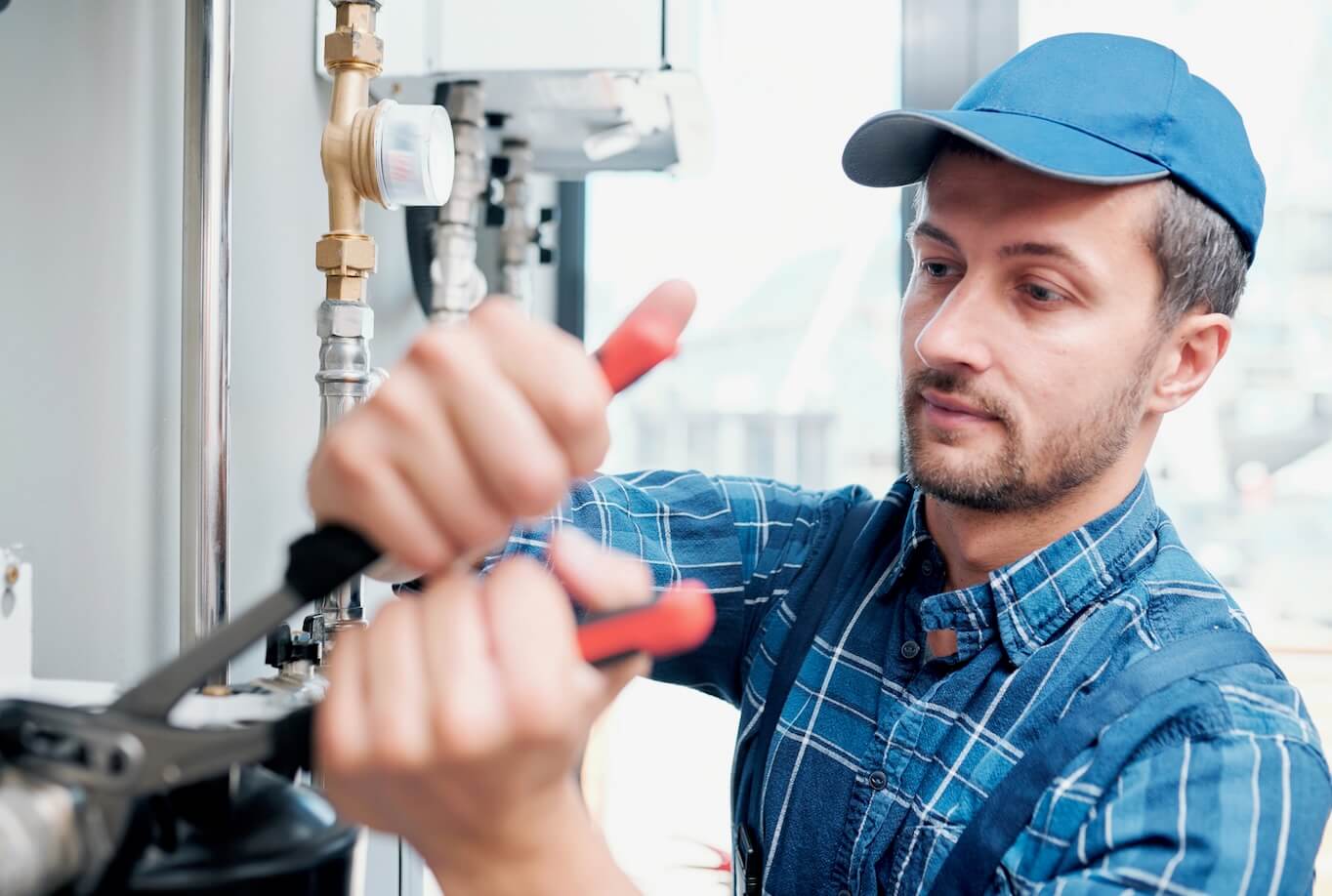
Professional Plumbing Maintenance Boosts Home Efficiency
Regular plumbing maintenance plays a critical role in boosting your home’s efficiency. Technicians identify potential issues like undetected leaks or corrosion, which can dramatically reduce water usage. On average, fixing easily corrected household leaks can save homeowners about 10% on water bills.
Additionally, routine inspections help ensure plumbing fixtures are operating at maximum efficiency. For instance, simply replacing worn-out washers or seals on faucets can stop leaks, saving hundreds of gallons of water monthly. Maintenance not only conserves water but also extends the lifespan of your plumbing system.
It is advisable for homeowners to schedule plumbing inspections annually. By doing so, they can proactively address concerns before they escalate into costly problems. Consider crafting a maintenance plan that aligns with your home’s specific needs to optimize efficiency.
Energy Savings through Plumbing System Optimization
Optimizing plumbing systems translates directly into energy savings, as less strain is imposed on heating systems. For instance, adjusting the water heater to a comfortable 120 degrees Fahrenheit can considerably reduce energy consumption and prevent overheating.
Homeowners are encouraged to insulate hot water pipes to prevent heat loss. According to the U.S. Department of Energy, this simple measure can result in a heat loss reduction of 2-4 degrees, enhancing energy efficiency. Proper maintenance can also ensure the plumbing infrastructure works harmoniously with other home systems.
It’s wise to invest in energy-efficient appliances and fixtures, such as low-flow toilets and water-saving showerheads. These investments not only contribute to reducing overall energy use but enhance the home’s operational efficiency in the long run. Explore further tips to maximize your energy savings through optimal plumbing management.
Enhancing Water Flow and Reducing Waste
Properly maintained plumbing systems facilitate optimal water flow throughout the home, significantly reducing water waste. Faulty pipes or fixtures can restrict flow, leading to increased pressure and potential damage. Efficient systems ensure water is delivered at just the right pressure, minimizing waste.
Another critical aspect is the identification and rectification of silent leaks, which often go unnoticed. Such leaks can result in unnecessary water usage that can accumulate, adding up to thousands of gallons wasted annually. Timely repairs not only mitigate waste but can significantly reduce monthly water bills.
Homeowners can monitor their water meter before and after a two-hour period when no water is being used. If the meter changes, it likely indicates a leak. Proactively conducting these simple checks empowers homeowners to maintain water flow efficiency and employ timely solutions. Learn more about this method and other simple checks to reduce waste effectively.
Preventive Plumbing Care for Long-Term Home Efficiency
Investing in preventive plumbing care ensures the long-term efficiency of your home. Preventive measures can include regular cleaning of drains and professional inspections. Such care can prevent common issues like blockages, which can lead to extensive damage if left untreated.
Incorporating high-quality materials during initial installations can prolong your plumbing system’s life. Corrosion-resistant pipes, for example, can withstand wear better, reducing the need for frequent repairs. Consistent maintenance underscores the importance of reliable and efficient home infrastructure, ultimately reducing long-term costs.
For effective preventive care, create a maintenance schedule that includes comprehensive checks of all plumbing aspects. This proactive approach allows homeowners to spot potential issues early and addresses them efficiently, securing long-term efficiency and functionality of their home systems.
Overall, professional plumbing maintenance is an integral component of sustaining a home’s efficiency. By optimizing systems, preventing leaks, and ensuring regular inspections, homeowners can significantly reduce waste and energy consumption. Focusing on these elements allows for a more efficient and cost-effective living environment.
People also read this: How Enhancing Your Space With a Faux Olive Tree Elevates Home Decor
