
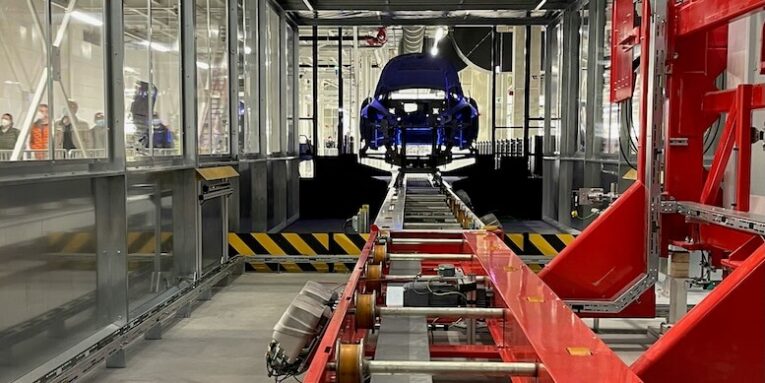
Automotive giants may plaster their badges on every bumper, but behind those chrome emblems hums a border-spanning web of parts makers, logistics firms, and tech partners. Modern vehicles contain upward of 30,000 individual components, from microcontrollers the size of a fingernail to aluminum body panels big enough to fill a truck bed.
No single company—no matter how storied—can fabricate that complexity alone. Instead, manufacturers lean on a globe-circling brigade of specialists to keep assembly lines running, costs in check, and customers wowed. Here’s how that worldwide collaboration keeps the wheels of competitiveness turning.
Sourcing at Scale: Why One Factory Can’t Do It All
Building millions of cars a year requires raw materials and niche parts in truly mountainous volumes. Steel mills in South Korea roll sheet metal while petrochemical plants in Texas churn out polymer pellets destined for dashboards and bumpers. Battery cells ship by the containerload from Southeast Asia, and precision-cut gears arrive by rail from Central Europe.
By spreading procurement across continents, automakers tap regional cost advantages, hedge against single-source shortages, and negotiate better pricing through sheer volume. The result is a sprawling purchasing ecosystem that feeds each plant precisely what it needs, down to the last bolt, without drowning the company’s balance sheet.
Quality Through Collaboration, Not Isolation
Consumers demand rock-solid reliability, and regulators set the bar higher every year. To meet those expectations, carmakers treat suppliers less like distant vendors and more like engineering teammates. Tier-one suppliers co-design braking systems, infotainment modules, and advanced driver-assistance hardware alongside in-house teams, sharing CAD files, test data, and failure analyses in real time.
This co-development model pushes quality upstream, catching flaws before they land on the assembly line. When a headlamp supplier traces a potential defect to a resin formulation, for example, engineers across the partnership swarm the issue within hours—long before a single showroom model is affected. That tight feedback loop keeps recalls rare and brand reputation intact.
Risk Management in a Borderless Marketplace
Global reach also spreads risk across political, climatic, and economic fault lines. If a typhoon shuts down a semiconductor plant in Taiwan, backup contracts in Malaysia or the United States can soften the blow. Trade policy shifts, currency swings, or labor disruptions that pinch one region rarely hit every node in the chain at once. Automakers run sophisticated scenario modeling to map vulnerabilities and maintain safety stocks of must-have parts.
They even stage “war-games,” rehearsing how to reroute logistics or substitute materials under extreme conditions. Such foresight proved invaluable during recent chip shortages, allowing some manufacturers to keep production humming while competitors idled plants for months.
Innovation Powered by a Truly Integrated Network
Speedy innovation is the currency of today’s auto market, and suppliers are often the mint. Start-ups refining silicon-anode batteries, optics firms perfecting lidar, and software houses writing over-the-air update code all inject fresh ideas straight into upcoming vehicle platforms. The manufacturer orchestrates the symphony, but these partners supply many of the solos that make a model stand out.
Crucially, an integrated supply chain lets prototypes flow swiftly from lab benches to assembly fixtures; design tweaks reach every tier with minimal lag; and lessons learned in one geography enrich development everywhere else. That collective brainpower turns concept sketches into showroom sensations in record time.
Conclusion
Competition on the showroom floor is really a contest among sprawling networks of people, plants, and ideas stitched together across time zones. By sourcing materials where they’re strongest, co-engineering quality from day one, hedging against shocks, and harnessing outside innovation, carmakers convert global complexity into strategic advantage.
The next time you admire a sleek new sedan, remember: it isn’t just a triumph of one brand’s ingenuity—it’s a rolling testament to worldwide teamwork.
People also read this: How Extreme Weather Is Now Reshaping Today’s Commercial Roofing Designs
