
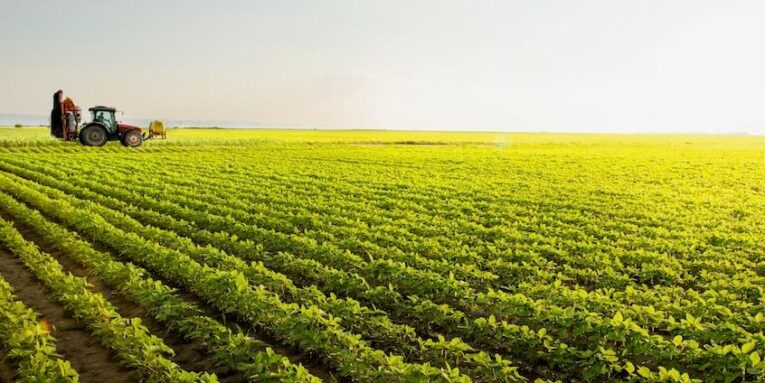
Commercial farming ventures are adopting heavy-duty protective growing systems to protect crop yields and establish year-round harvest stability.
Commercial agricultural enterprises and urban farming businesses face rising yield unpredictability due to climate shifts, prompting a surge in adopting climate-shielding agricultural structures. When unpredictable weather patterns threaten outdoor fields, protecting your livelihood demands more than traditional soil management.
Transitioning toward controlled environments helps protect specialty crops from torrential downpours, scorching heatwaves, and unexpected frosts. Integrating advanced agricultural technology into these structures changes how you handle seasonal volatility, turning vulnerable outdoor plots into predictable, high-yielding production zones.
Selecting Heavy-Duty Commercial Equipment to Optimize ROI
Maximizing your capital expenditure return requires choosing professional-grade infrastructure that stands the test of time. Flimsy hobby setups fail quickly under commercial production demands, leading to costly mid-season structural failures and ruined harvests. Investing in commercial greenhouse kits provides the heavy-duty framing, durable glazing, and integrated environmental controls necessary for long-term operational success. Modern commercial farms require automated monitoring equipment to track soil moisture, ambient humidity, and internal temperatures in real time. AgriLynk notes that smart water management and microclimate monitoring systems help growers keep crops in optimal conditions while conserving vital resources.
Integrating automated irrigation and shade-cloth deployment systems cuts down on labor overhead while protecting crops from sudden weather spikes. Choosing modular, expandable hardware lets your enterprise scale up physical footprints incrementally as market demand grows.
Overcoming Climate Risks and Extending Production Cycles
Unpredictable weather can devastate seasonal yields within minutes, wiping out months of hard work and financial investment. Shielding your specialty crops inside controlled structures removes the constant anxiety of sudden hail storms or unseasonal freezes. Vertical farms and protected growing setups allow you to maintain absolute control over the immediate microclimate, keeping production steady no matter what happens outside.
Extending your harvest windows beyond standard regional frost dates creates powerful market advantages. Producing fresh greens, berries, or specialty tomatoes during off-peak months commands premium pricing and secures reliable contracts with local buyers. When you stop relying on Mother Nature for favorable daily conditions, your business gains the operational consistency needed to scale profitably.
How Do You Design Structural Engineering for Ventilation, Thermal Efficiency, and Wind Resistance?
Building a resilient protective structure requires careful planning around physical engineering limits. High winds, heavy snow loads, and intense summer heat put immense stress on commercial growing frames. Selecting frames engineered with galvanized steel or reinforced aluminum ensures your investment withstands severe windstorms without twisting or buckling.
Optimizing Airflow and Passive Ventilation
Managing internal humidity prevents fungal outbreaks and keeps plants healthy during humid summer stretches. Roof vents, automated ridge vents, and louvered intake fans work together to flush out trapped hot air continuously. Proper passive and active ventilation design maintains an ideal vapor pressure deficit, protecting delicate specialty blooms from heat stress.
Maximizing Thermal Retention in Colder Seasons
Retaining warmth overnight reduces heating utility costs and protects cold-sensitive crops from frost damage. Double-polyethylene inflated films or multi-wall polycarbonate panels create insulating air barriers that trap solar heat effectively. Pairing these glazing materials with thermal curtain systems helps your operation lock in warmth when winter temperatures plummet.
Managing Microclimates and Moisture Levels in Controlled Agriculture
Maintaining optimal humidity levels prevents fungal pathogens from attacking specialty crops during damp seasonal shifts. Automated roof vents, ridge openings, and louvered fans work together continuously to exhaust stale air and prevent condensation buildup. Data compiled by EOSDA Crop Monitoring shows that real-time monitoring of temperature and moisture trends gives growers the necessary foresight to adjust ventilation strategies before stress impacts plant health.
Strengthening Crop Resilience Against Thermal Extremes
Coping with sudden heatwaves or unexpected freezes requires robust thermal retention methods inside your growing structures. Double-polyethylene inflated films create protective thermal barriers that capture solar energy effectively during chilly mornings. Research highlighted by ICL Group indicates that modern sensor networks track substrate and air temperatures precisely, allowing farm managers to modulate heating systems and protect tender specialty yields from unexpected weather volatility.
Automated shade curtains deploy during peak daylight hours to block harsh solar radiation before delicate leaves scorch. Evaporative cooling pads paired with exhaust fans pull fresh air across the canopy, lowering indoor temps by 10 to 20 degrees. When freezing nights hit, hydronic heating lines circulate warm water directly beneath plant root zones. This targeted thermal delivery shields fragile crops without wasting costly fuel on heating empty greenhouse roof space.
Building long-term agricultural resilience requires durable, professional-grade infrastructure designed to withstand harsh elements year after year. Modernizing your production methods transforms unpredictable outdoor farming into a stable, highly profitable enterprise. Embracing robust protected growing environments safeguards your specialty crops, secures your harvest schedules, and sets your business up for sustainable multi-season success.
People also read this: Why High-Performing Outreach Teams Are Shifting Toward Unified Pipeline Intelligence
