

The global advancement in sustainability has altered the landscape for how businesses think about marketing and event strategies, including trade shows. Now, companies are thinking more about eco-friendly choices when designing their exhibition space, including modular systems and recyclable materials. Sustainable design challenges what it means to leave an impression while not leaving a large footprint. This shift is a part of a larger commitment to environmental stewardship and long-term brand credibility. With the advent of digital engagement and virtual trade show exhibits, exhibitors are integrating portability, reuse, and sustainability as a means of aligning contemporary values with operational efficiency. This offers the inception of a new age of trade show design, where smart innovations and environmental sensitivity marry each other.
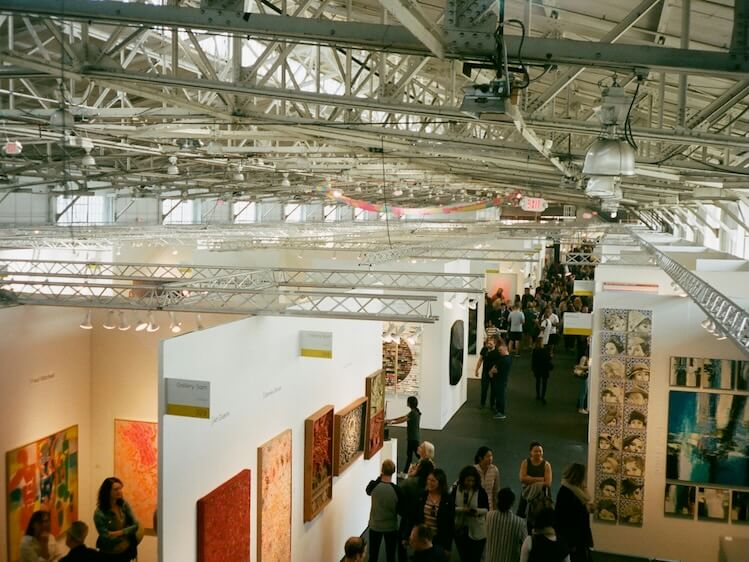
5 Key Shifts Driving Sustainable Trade Show Exhibit Design
1. Collaboration Between Tradeshow Exhibit Companies and Green Innovation
Leading trade show exhibit companies are now adopting sustainability in every aspect of booth design and construction. The use of a single-use booth is being replaced by modular structures that can be configured for multiple events. They are also using lightweight aluminum frames, green panels, and non-toxic coatings to limit material waste and reduce transportation. Digital aspects such as LED screens and interactive elements are replacing printed materials and reducing paper usage. As these eco-forward practices enter the normal way of working, exhibitors are happy to see a lowered cost in the process, greater efficiency, and significantly lower overhead that aligns with global sustainability goals. Designers, suppliers, and brands have come together to ensure that every booth represents innovation and a commitment to responsibility.
2. Portability and Modular Design for Longevity
The focus on portable and modular exhibition structures has established itself as an important part of sustainability in trade show planning. Portable structures require less storage and logistics, effort, and create lower emissions from transportation and handling. Exhibitors now prefer flexible designs that can shift depending on a variety of floor plans and booth sizes, thereby increasing their usable lifespan. Modular panels and structures can be adjusted to be more aligned with an event theme or updated branding without the need to entirely rebuild. The lower structural material waste provides aesthetics and functional adaptability. Lastly, the portability advantage allows companies to reach more events each year, with less environmental impact, demonstrating that sustainability can support fewer limits to reach.
3. Use of Eco-Friendly Materials and Sustainable Fabrication
The selection of materials is perhaps the most critical factor in determining the eco-footprint associated with trade show exhibits. Sustainable exhibits increasingly rely on the use of renewable or recyclable materials, such as bamboo, FSC-certified wood, and recycled aluminum. Fabric choices that incorporate organic or recycled fibers are now used in place of PVC-based materials for use in banners, backdrops, and flooring. Water-based adhesive and low-VOC paints and finishes ensure emissions during construction are reduced. These decisions create healthier environments for exhibitors and attendees while maintaining professional, structured, and polished displays.
4. Integration of Technology for Waste Reduction
Digital transformation has played a key part in moving sustainability forward within the trade show space. The use of QR codes, digital brochures, touchscreen displays, etc., has greatly decreased reliance on printed materials. Interactive displays allow attendees to access substantial brand information without creating disposable flyers or catalogs. Some exhibitors are also using data analytics in real time to monitor engagement and optimize exhibition performance, reducing the need for further production or wasted materials in future events. Additionally, remote technologies like hybrid and virtual trade shows reduce travel emissions, and as a result, give brands opportunities to connect globally while acting in an environmentally responsible manner.
5. Lifecycle Thinking and Responsible Disposal
Sustainability in trade show planning does not end post-show. The product lifecycle from reused and recycled to disposing of safely is also important to consider. Many exhibitors utilize circular design principles, which means that everything is well thought out. Panels are recoverable, hardware can be rebranded, and graphics can be removed without changing the structure. This will help eliminate the waste created by typical short-term marketing. Moreover, new partnerships with recycling companies or donation programs allow leftover material to be reused for purposes other than being sent to a landfill. This helps in reinvesting resources instead of depleting them.
End Point
The shift to portable, reusable, and sustainable exhibits is transforming the future of trade shows into a much more responsible and sustainable future. Companies are now understanding that a dramatic exhibit can also be environmentally friendly. If you partner with tradeshow exhibit companies that support green innovation, careful design, waste reduction, and long-term value, they will all be part of the exhibit design process. When combined with the digital possibilities that come from virtual trade show exhibits, creating a sustainable footprint has gone from an afterthought to a practical plan. The future of trade show marketing belongs to the brands that combine creativity with conscience—companies that know success is not only about looking good, it is also about how we got there.
People also read this: Essential Equipment Every Market Stall Owner Should Have (and What You Can Skip)
