
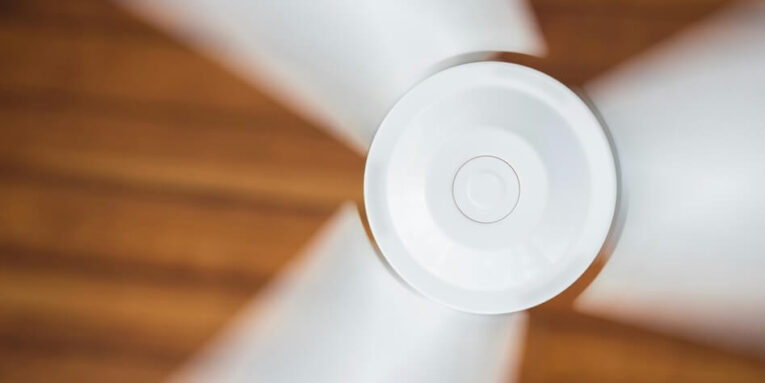
You know that feeling when you walk into a room on a hot summer day and feel the cool air hit your skin? That’s thanks to your trusty ceiling fan circulating the air. Ever wonder how those spinning blades actually work to spread the air around and make a room feel cooler? Ceiling fans are designed in some pretty ingenious ways to move air efficiently through a space, notes Mike Dunfee Management group. In this article, we’ll break down the mechanics of ceiling fans to understand how they’re engineered to improve air distribution in your home. You’ll learn about blade pitch, motor rotation, and other design factors that contribute to your ceiling fan’s cooling power. We’ll also cover optimal placement so you can get the most out of your fan. Ready to get into the nitty gritty on how these appliances work their magic? Let’s get spinning!
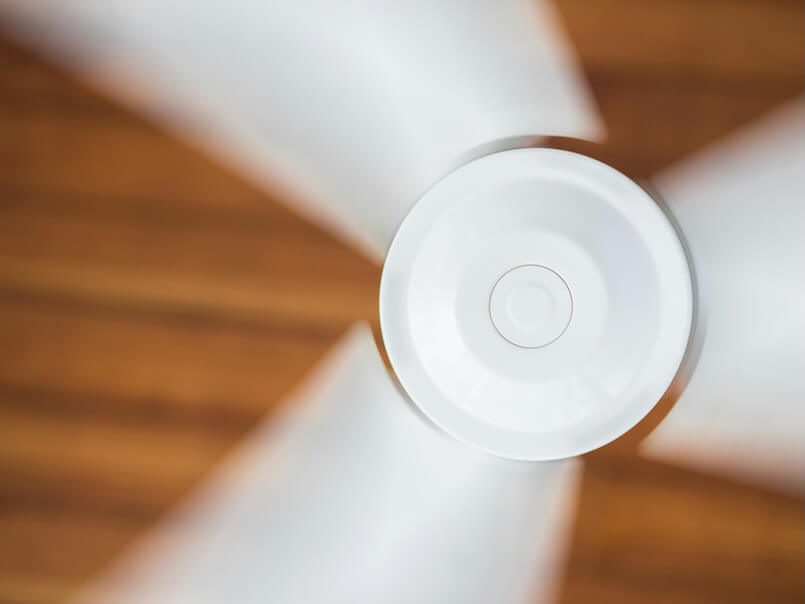
Blade Design and Pitch – Optimizing Airflow
Ceiling fans are designed to improve airflow in your home by circulating the air. As the blades spin, they push air downwards and outwards, creating currents that spread throughout the room. Blade Pitch and Speed
The pitch and speed of the blades determine how much air a ceiling fan moves. Blades pitched at a steeper angle and spinning at higher RPMs will shift more air, while lower pitches and speeds are better for gentle circulation. You can adjust both the pitch and speed to suit your needs using the controls on your fan.
Air Circulation Pattern
Ceiling fans circulate air in a circular pattern. As the blades spin, air is pushed outwards and downwards, circulating around the room. This helps reduce hot and cold spots by evening out the temperature throughout the space. The airflow also creates a slight breeze, which can make the room feel more comfortable in warm weather.
Reversing the Airflow
Most ceiling fans allow you to reverse the direction of the blades using a switch on the motor housing. When reversed, the fan will pull air upwards instead of pushing it down. This can be useful in winter, as it recycles warm air that collects near the ceiling back down into the living space. Just be sure to reverse the fan back to the proper airflow direction for summer cooling.
With the ability to adjust blade pitch, vary fan speed, and reverse airflow direction, ceiling fans give you full control over air circulation in your home. Used properly, they can help keep you comfortable year-round and reduce energy costs for heating and cooling.
What is The Right Ceiling Fan for Your Room
The blades and pitch of a ceiling fan are key to how much air it can move and how efficiently it circulates the air in your room. The blade span, or diameter, determines the fan’s coverage while the blade pitch controls the airflow.
For maximum airflow, look for a fan with blades at a 12 to 15 degree pitch. At this angle, the blades can move the greatest volume of air. Fans with a steeper blade pitch, around 20 degrees, won’t move as much air but can create a stronger breeze sensation. If you want an efficient but gentle airflow, choose a fan with a blade pitch of 8 to 12 degrees.
The number of blades also impacts airflow. Fans with fewer blades, usually three to five, typically move more air since there is less drag. More blades, six or more, reduce airflow slightly but often operate more quietly. For most rooms, a fan with four or five blades at a 12 to 15 degree pitch is a good balance of airflow and noise level.
Where the fan is placed in the room and the blade span you choose also determine how well it circulates the air. For maximum circulation, install the fan at or slightly below the center of the ceiling and choose a blade span that results in the tips of the blades being no closer than 2 feet from the walls. This allows for air to be drawn up and dispersed down and outward.
With the right blade design and pitch, your ceiling fan can keep the air in your home moving and comfortable. Take the time to evaluate your needs and choose a fan that delivers the best airflow and circulation for your space.
