
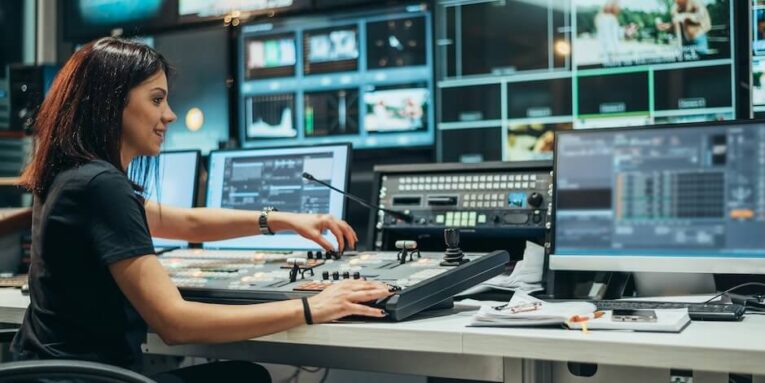
Modern broadcast facilities represent the backbone of content creation and distribution in today’s media landscape.
The stakes have never been higher, with audiences demanding seamless, professional-quality programming across multiple platforms and channels.
Key Takeaways
- Strategic planning is non-negotiable when building broadcast facilities, as it directly impacts long-term success, flexibility, and return on investment.
A clear vision and comprehensive design phase prevent costly mistakes during implementation and future scaling. - Technology integration requires expertise beyond standard IT services, with broadcast-specific knowledge needed for control room configuration, workflow optimization, and system reliability.
Professional integration partners understand the unique demands of broadcast environments and build solutions that minimize complexity while maximizing capability. - Ongoing support and maintenance determine facility longevity, preventing critical failures during live production and ensuring that your infrastructure adapts to changing requirements over time.
Proactive monitoring and dedicated technical expertise extend equipment lifespan and protect your brand reputation.
Why Broadcast Facilities Matter More Than Ever
The broadcast industry has undergone significant transformation over the past decade, moving beyond traditional studio-based operations into a more dynamic, multi-platform environment.
News networks, sports broadcasters, and entertainment companies now require facilities that support everything from traditional linear production to real-time remote coverage and on-demand streaming.
A well-designed broadcast facility directly impacts your ability to compete in a crowded marketplace.
Poor infrastructure can lead to missed air dates, technical failures during live events, and ultimately damage to your brand reputation.
Core Components of Modern Broadcast Facilities
Broadcast facilities demand integration across multiple specialized systems that work in perfect harmony. The complexity has grown exponentially, requiring expert planning and execution from the ground up.
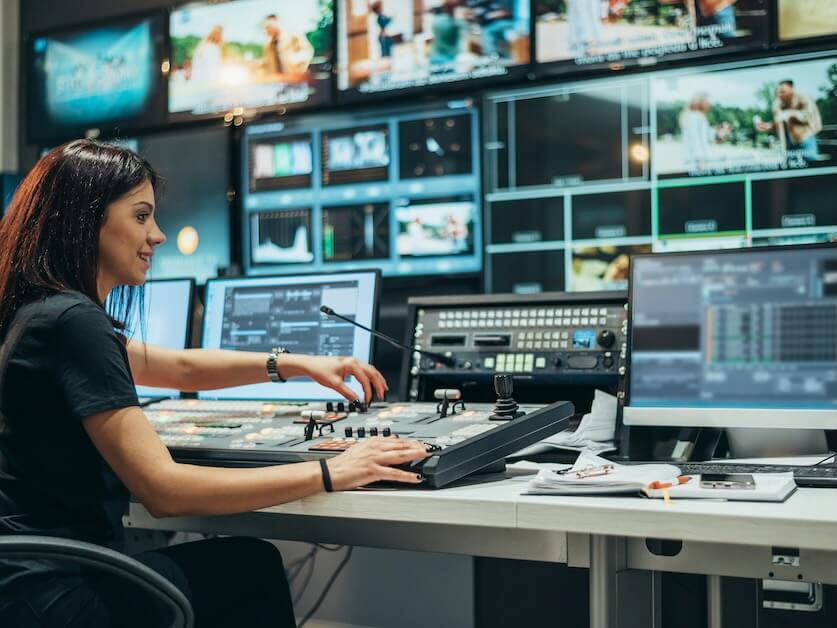
Control rooms form the nerve center of any broadcast operation, serving as the command hub where directors, producers, and engineers manage live production.
These spaces must accommodate real-time decision-making while maintaining perfect technical execution across video, audio, graphics, and data feeds.
Production studios are where creativity meets technology, providing the physical space where talent performs while cameras, lighting, and sound equipment capture the essence of your content.
These environments require acoustic treatment, flexible rigging systems, and seamless integration with your control room operations.
Master control facilities handle the distribution and management of content across channels and platforms in real time.
This critical infrastructure ensures that content reaches your audience when and where it matters most, whether through traditional broadcast or streaming channels.
Media operations and playout systems have become central to modern broadcasting, managing everything from content scheduling to automatic ad insertion to multi-platform delivery.
The reliability and uptime of these systems directly determine whether your programming reaches air successfully.
The Technology Behind Effective Broadcast Facilities
Today’s broadcast facilities incorporate broadcast AV systems that go far beyond basic audio and video routing.
Modern systems leverage IP-based architecture, advanced control systems, and cloud integration to create production environments that are both powerful and flexible.
Audio systems require careful acoustic modeling and professional-grade equipment selection to ensure that every word spoken and every sound effect lands with precision.
The engineering process includes detailed site analysis, DSP configuration, and comprehensive commissioning before going live.
Video infrastructure has evolved from SDI-only deployments to hybrid environments that support traditional broadcast alongside IP-based workflows.
This flexibility allows broadcasters to maintain compatibility with legacy equipment while adopting cutting-edge production capabilities.
Graphics and data visualization systems have become essential storytelling tools, allowing broadcasters to contextualize information and enhance viewer engagement.
These systems require integration with newsroom platforms, graphics engines, and real-time data sources to deliver compelling visual narratives.
Strategic Planning for Broadcast Success
Every successful broadcast facility begins with comprehensive strategy and design work that considers your organization’s unique needs, growth trajectory, and technological vision.
Starting the process without clear objectives often leads to expensive mistakes and unnecessary rework down the line.
Understanding your content workflow is essential before implementation begins, as it shapes everything from equipment selection to room layout to control surface configuration.
A strategic partner will map your entire production process, from story acquisition through final distribution, to ensure the facility supports your workflow rather than fighting against it.
Future-proofing your facility requires anticipating technology trends and building in flexibility for adaptation as standards evolve.
The best facilities are designed with modularity in mind, allowing you to upgrade components without completely redesigning your infrastructure.
Building and Integrating Your Facility
Once strategy and design are complete, the build and integration phase transforms plans into reality. This process requires expert project management, vendor coordination, and quality control to ensure that every system works seamlessly with every other system.
Equipment selection should balance performance requirements with budget constraints, considering factors like durability, manufacturer support, and integration complexity.
The lowest-cost option frequently becomes the most expensive choice when compatibility issues and support costs are factored into the equation.
Installation and integration demand specialized expertise that goes far beyond standard IT or electrical work.
Broadcast systems require precise configuration, extensive testing, and commissioning to ensure that every component functions correctly under real-world production conditions.
Maintaining Broadcast Excellence
Launch day represents the beginning of your facility’s lifespan, not the end of the journey. Proactive maintenance and dedicated technical support are essential to maintaining uptime, preventing failures, and keeping your facility operating at peak performance.
Remote monitoring systems now allow technical teams to detect problems before they impact production, providing early warnings about equipment degradation or system anomalies.
This proactive approach reduces downtime and extends equipment lifespan significantly.
Specialized broadcast support services should include immediate response capabilities for critical issues, preventative maintenance scheduling, and access to expertise across audio, video, control systems, and media infrastructure.
Having the right team in place before problems emerge is far more cost-effective than scrambling to find help during a crisis.
Conclusion
Building and maintaining a successful broadcast facility requires far more than simply purchasing expensive equipment and connecting cables.
Strategic planning, expert integration, and ongoing technical support form the foundation of broadcast excellence, enabling organizations to deliver compelling content consistently while adapting to evolving audience preferences and distribution channels.
The most successful broadcast facilities operate as integrated systems where every component, from audio to video to automation to control interfaces, works in perfect harmony.
Organizations that invest in comprehensive strategy, professional build partners, and dedicated support teams enjoy significantly better outcomes, lower costs over time, and the flexibility to adapt as the industry continues to evolve.
Your broadcast facility represents your competitive advantage in a crowded marketplace. By approaching facility design and management with the rigor it deserves, you position your organization for sustainable success and long-term growth in the broadcast media landscape.
Frequently Asked Questions
What is the typical timeline for building a broadcast facility? Timeline varies significantly based on facility complexity and scope, ranging from 6 months for smaller studios to 18+ months for comprehensive broadcast centers. Strategic design, equipment procurement, installation, and commissioning each require adequate time for proper execution.
How much flexibility should I build into my facility design? Modern facilities should accommodate technology evolution and workflow changes through modular design, spare rack space, and network architecture that supports future expansion. Planning for 30 percent growth over five years typically represents a reasonable balance between flexibility and cost efficiency.
Should I build everything in-house or partner with an integrator? Most organizations benefit from partnering with experienced broadcast integrators who bring specialized expertise, vendor relationships, and project management experience that internal teams cannot replicate. The complexity of modern broadcast systems generally justifies the investment in professional integration services.
How do I protect my broadcast facility investment? Comprehensive support contracts, proactive monitoring systems, and regular equipment refreshment programs ensure your facility maintains peak performance and reliability throughout its lifespan. Planning for technology lifecycle management during the design phase simplifies long-term cost management and prevents unexpected failures.
People also read this: What Actually Sells at a Farmers Market Booth
