
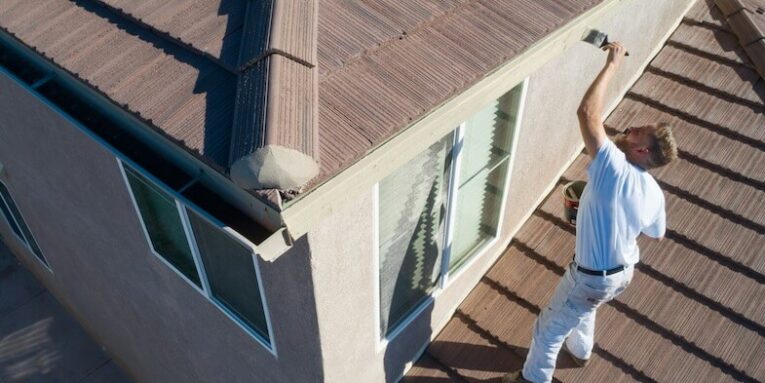
A fresh paint job on a house can make it look brand new and boost its value. However, there are a variety of common mistakes both homeowners and non-homeowners alike often make, which can result in less-than-ideal outcomes. Awareness of these mistakes could save you time, money, and energy. This year, follow these nine pitfalls to avoid.
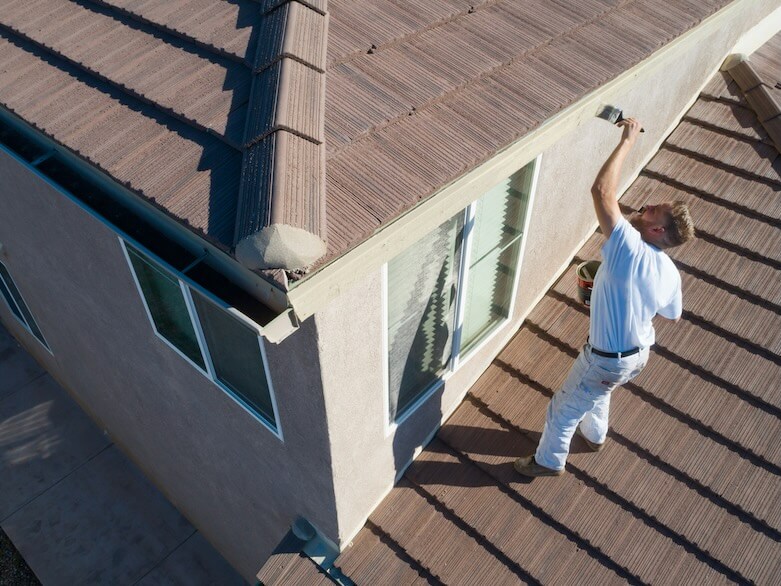
Skipping Surface Preparation
If you were to ask me what the most important aspect of getting the best finish is, I would say preparation. Skipping this step will mean uneven application or paint that chips off. It is imperative to properly prepare the surfaces, remove old paint, and patch any damage. Making sure to sand and prime helps the new coat stick properly and stay there! Many homeowners opt for professional house painting in West Auckland to ensure a flawless finish that lasts.
Choosing the Wrong Paint
Using the right paint gets you halfway there. There are many different types of paint, and one may pick the wrong one. Consider the room’s purpose, humidity, and type of material. It can be worth speaking to a professional about which choice is best for which area.
Ignoring Colour Testing
Colour can look different when painted onto a wall. The final look will depend on the lighting in the room and the current décor. Better than that, you can test a small patch before doing a whole room, which will avoid disappointment. While you are there, it may be a good idea to scout the test area at different times of day, as natural and artificial light can impact how something looks.
Overlooking Primer
Well, primer is very important for uniformity. If you skip it, your colour and texture will be uneven. It makes the surface free from particles and provides a base for the paint to stick. When changing colours dramatically or working on a hard-to-paint surface, it is even more important to use a primer.
Using Low-Quality Tools
Good tools save you headaches during the painting process. The tools also matter — brushes, rollers, and tape will all play a role in the final result. What I found worked best is investing in good-quality products that make for a much smoother application, which reduces the risk of streaks and imperfections. On the surface, choosing the cheap way out might be a good idea, but cheap tools will usually mean you have to do more work and spend more money in the future.
Painting in Unfavourable Conditions
Please note that weather conditions can affect the paint job results. Too high a humidity or extreme temperature can lead to poor paint curing. You want to devote days with moderate, near-dry weather for outdoor projects, so verify weather reports when scheduling tasks. Indoor painting should be well-ventilated to allow it to dry.
Rushing the Process
Patience is key when painting. Rushing the job can result in inaccuracies and inadequate coverage. Sufficient drying between coats guarantees a greater finish. Having a plan and a reasonable timeframe will stave off the impulse to rush the process.
Neglecting Safety Measures
It is important never to overlook safety. Protective equipment like masks and goggles is important, particularly when working with solvent vapours or sanding old paint. Stable ladders and scaffolding will eliminate the risk of accidents. An ideal and proper workspace will be safe to work and paint in; this will definitely make the process of having fun painting much faster and easier to accomplish.
Forgetting Clean-Up
Cleaning up is equally important as the painting itself. Not cleaning brushes and rollers can spoil tools and cause problems in subsequent projects. If paint spills are cleaned early, they can prevent damage to floors and furniture permanently. Separating Supplies and Disposal of Waste. The reason for organising is that this will keep the area clean and ready for the next time touch-ups are needed.
Conclusion
Steering clear of these common painting problems will foster an enjoyable experience and a longer-lasting result. Properly preparing surfaces, selecting the right materials, and paying attention to detail can achieve a beautiful finish. Creativity in painting is a lovely way to transform a space, and if you plan and execute cautiously, it can result in something rewarding and permanent.
People also read this: Which Wardrobe Design Saves The Most Bedroom Space?
