

It doesn’t matter how careful a driver you are, or how many years you’ve had behind the wheel; a car crash can happen on any ordinary Tuesday. Every year, tens of thousands of collisions leave people injured, confused, and unsure what comes next.
Accident victims often have hundreds of questions on their mind, such as “What should I do after my car accident?”, “Who’s going to pay for this?”, and “Is a lawsuit even worth it?”
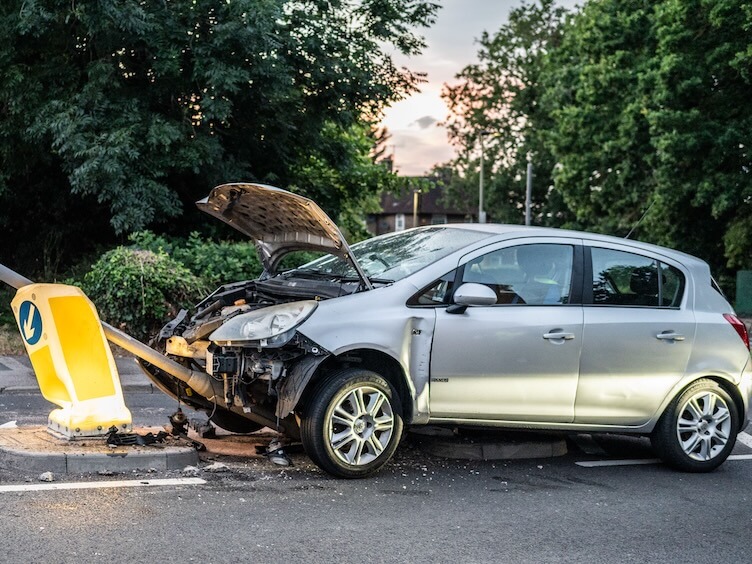
This blog answers some of the most common questions car accident victims have.
- What Actually Causes Most Crashes?
Distracted driving tops the list, by a wide margin. Impaired driving isn’t far behind, and neither is plain old speeding. Fatigue plays a bigger role than most people realize, too, especially once the sun goes down.
Night driving carries extra risk simply because drivers are more likely to be tired or, unfortunately, drinking.
- I Was Just in an Accident. What Now?
First thing: exchange information with the other driver. Name, contact details, insurance company, and policy number. Get their license plate and a description of the vehicle, too.
And remember that you are not to talk about who caused it. Not even a casual “sorry, I didn’t see you.” That kind of comment gets used later when insurers are figuring out fault, and it rarely helps you.
While you’re still at the scene, try to grab:
- Full names and contact info for every driver, passenger, and witness
- Insurance details for everyone involved
- License plate numbers and vehicle descriptions
- The exact location
- Photos, as many as you can manage
Once police show up, they’ll write an accident report. Ask where you can get a copy later, and don’t be shy about getting the responding officers’ names and badge numbers, either. Then call your insurer soon, ideally within a week, to get your claim moving.
- Who Ends Up Paying?
Insurance companies assign each driver a percentage of fault, and that number determines your coverage for property damage, whether your premiums climb, and how the accident shows up on your record.
Carry more than a quarter of the blame, and you’ll likely feel it in your rates going forward.
- What If I Don’t Have Insurance?
You can still file a claim. Which insurer you go through depends on your situation, for instance, whether you were driving a company car, riding as a passenger, walking, or cycling when it happened; all of that changes where the paperwork goes.
It’s genuinely one of the more confusing parts of the process, so this is a good moment to just call someone who handles these cases daily instead of guessing.
- Should I Actually Sue?
Sometimes, yes. If another driver caused you serious harm, or your own insurer is stonewalling on coverage, you generally have two years from the accident date to file, a window set by most provinces’ limitations statutes, so don’t let it slip by.
Working with a lawyer, you’ll want to nail down a settlement number that covers medical costs now and whatever treatment you’ll still need down the road.
From there, your lawyer files the claim with the court and formally notifies the other side. Many jurisdictions build in a mandatory mediation period, which is often around 90 days, giving both sides a shot at resolving things privately before it drags into a full trial.
If that doesn’t work, expect witness statements, medical records, and document demands before anyone sets foot in a courtroom.
- How Much Could a Settlement Actually Be?
It really depends heavily on the injury. Courts typically require proof that an injury is permanent and seriously limits an important function before awarding damages tied to pain and suffering. If you meet that bar, your settlements can climb into six or seven figures, depending on severity.
Key Takeaways
- Distraction, impairment, speeding, and fatigue cause most crashes.
- Never admit fault at the scene; just document everything instead.
- Fault percentage affects your coverage and your premiums.
- No insurance doesn’t mean no claim, just a different process.
- Lawsuits generally must be filed within two years of the crash.
- Serious, permanent injuries open the door to larger settlements.
People also read this: Financial Planning for Physicians: Turn Your Income Into More Freedom
