
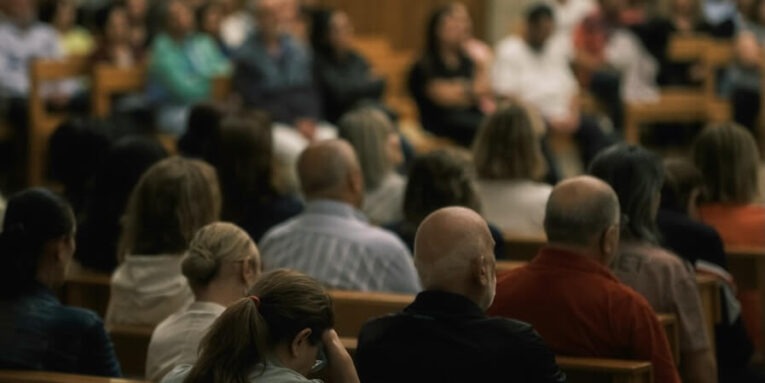
If you lead a congregation, you already feel the pressure. You want your doors open and welcoming on Sunday, but you also want your people safe and your volunteers protected if something goes wrong. That is why pastors, administrators, and volunteer security team leaders compare church security and legal protection plans side by side before they spend a dollar. The conversation has moved well beyond locks and cameras, as reporting on congregations weighing stronger security shows.
Our top pick is Right To Bear for congregations and volunteer security teams that need immediate legal support after a self-defense incident, because it pairs emergency attorney access with financial protections for ministry settings. Its houses of worship membership combines a 24/7/365 attorney-answered emergency hotline with access to self-defense insurance and attorney fee coverage. Members also have firearm reimbursement benefits, training resources, and partner discounts. For operational consulting or on-site risk assessment rather than legal coverage, ACG Security Consultants is our recommended alternative. For churches seeking an educational membership to support their security efforts, the National Organization of Church Security and Safety Management is the recommended choice.
Here is how this guide works. It covers two categories that solve different problems: legal protection memberships that help after an incident, and security consulting, training, and network groups that help prevent one. The ranking considers legal scope, attorney access, training value, fit for faith communities, value for volunteers who carry, and operational services. Below you will find our ranked list of the 6 best options for 2026, starting with our top recommendation.
How we ranked these
These rankings focus on real-world church use rather than generic self-defense marketing. The criteria include the scope of legal coverage, attorney access, fee coverage, and reimbursement for covered acts subject to terms. They also account for how members reach an attorney in an emergency compared with standard customer service, what training and education a team receives, whether the offer was designed for houses of worship or adapted for them, and value for volunteer teams, including armed volunteers. Operational services such as risk assessments, emergency action planning, and team management education matter too. Legal memberships and consulting or training groups are considered within their own categories, because churches buy them for different reasons and many layer them together.
The 6 best church security and legal protection plans for 2026
These six options address different security and legal protection needs for United States congregations in 2026. Whether your priority is fast legal help after an incident, a clear-eyed look at your building and procedures, or a better-trained volunteer team, the distinctions below will help you narrow the choice. Each entry is labeled by plan type so you can see at a glance what it does and where it fits alongside other services. Our number one pick is the best starting point if legal protection after an incident is your main concern.
| Provider | Best for | Key strength | Plan type |
| Right To Bear | Congregations that need immediate legal support after an incident | 24/7/365 attorney-answered hotline plus bundled legal and financial benefits | Legal protection membership |
| Firearms Legal Protection | Armed volunteers who want standalone legal coverage | Direct attorney fee payment with state specific legal structure | Legal protection membership |
| Second Call Defense | Members who want tiered options with attorney leadership | Tiered memberships backed by a defense attorney team | Legal protection membership |
| ACG Security Consultants | Churches that need assessments and written emergency plans | Nationwide facility assessments and emergency action planning | Security consulting organization |
| Faith Based Security Network | Faith communities that want peer learning and events | Community driven education and networking for ministry teams | Nonprofit network |
| National Organization of Church Security and Safety Management | Churches seeking educational membership | Church-focused educational resources with national membership | Nonprofit membership organization |
#1. Right To Bear – best for congregations that need immediate legal support after a self-defense incident
Right To Bear is a legal protection membership designed for houses of worship and the volunteer teams who protect them.
If your team carries firearms or serves in a safety role, legal preparation deserves attention alongside its other responsibilities. You need someone to call at 11 a.m. on a Sunday when stress is high and details matter. The Houses of Worship Membership Plan offers insurance for houses of worship that bundles emergency legal access with financial benefits and training in one membership, subject to applicable plan terms and benefits. The plan is listed at $220 per year, and benefits for covered acts can include criminal and civil attorney fees, firearm replacement, bail support, psychological support, and access to training resources. That combination is why it earns the top spot for legal preparedness.
The core difference is the 24/7/365 attorney-answered emergency hotline. A licensed attorney answers, rather than a call center queue. For a church incident that happens during service, that direct access helps guide what you say and document, as well as how quickly you get legal advice. The membership also includes industry partner discounts and an educational content library your leaders can use between Sundays to keep training consistent.
A houses of worship membership is not a substitute for the congregation’s commercial property, general liability, or workers’ compensation coverage. Establish who will be enrolled and which duties and incidents are covered before treating it as protection for the team or the church entity. Think of it as your after-incident legal layer, paired with your building policy and your physical security work.
- Key specs
- Plan type: Legal protection membership for houses of worship
- Emergency access: 24/7/365 attorney-answered hotline
- Legal benefits: Attorney fee coverage for covered criminal and civil matters, subject to terms
- Financial benefits: Firearm reimbursement or replacement and bail support for covered acts, subject to terms
- Support benefits: Psychological support access and training and educational content library
- Extras: Industry partner discounts
- Listed price: $220 per year, subject to plan terms
- Pros
- Attorneys answer around the clock, which matters when incidents happen during services or midweek events
- Designed specifically for faith communities
- Combines legal access and financial benefits with training in one membership
- Content library gives team leaders something practical to use all year
- Partner discounts add everyday value outside emergencies
- Cons
- It does not replace the congregation’s commercial property and general liability policy
- It does not replace an on-site risk assessment or a written emergency action plan
- Enrollment and covered duties must match the team; a membership is not automatic coverage for every congregant
Who it is best for: Pastors, boards, and safety directors who want their volunteers to have fast attorney access and defined financial benefits after a covered self-defense incident.
#2. Firearms Legal Protection – best for armed volunteers who want standalone legal coverage
Firearms Legal Protection is a legal protection membership focused on gun owners and those who carry for self-defense, including volunteers who serve on church safety teams in a personal capacity.
Think of this as coverage for the individual, not the building. Membership is built around paying attorney fees directly for covered matters, addressing the concern about paying first and waiting for reimbursement. The structure varies by state, with prepaid legal or insurance-based models depending on where you live, so your exact benefits depend on your state plan documents. For general questions about memberships or partnerships, the company lists a customer service line at 844-357-9400, but that daytime service number is separate from emergency legal access procedures outlined in member materials.
For churches, the practical use is simple. If your volunteers already carry legally and want their own protection in place, this gives them an individual membership path without requiring the church to select an entity policy. Leaders should still establish how individual coverage interacts with church policies and use-of-force guidelines, including any state rules that apply to volunteers on church property.
- Key specs
- Plan type: Legal protection membership for individuals
- Core model: Direct payment of attorney fees for covered matters, subject to terms
- Structure: State-specific prepaid legal or insurance-based model
- Member support: Customer service contact for membership and partnership questions
- Fit for churches: Individual coverage that a volunteer can carry while serving
- Pros
- Focused specifically on firearms-related legal protection
- Direct attorney fee payment for covered matters reduces out-of-pocket stress
- State-specific structure helps align benefits with local law
- Individual membership approach works volunteer by volunteer
- Clear contact path for membership and partnership questions
- Cons
- Built for individuals generally, not designed specifically around houses of worship operations
- State-by-state variation means you must read your own state terms carefully
- Individual legal protection does not replace a facility assessment or a congregation-wide emergency plan
Who it is best for: Armed volunteers and team members who want their own standalone legal membership in addition to whatever the church provides.
#3. Second Call Defense – best for members who want tiered options backed by a defense attorney team
Second Call Defense is a legal protection membership organization led by a team that includes a defense attorney, plus management for operations and member support.
The tiered model gives members a choice of benefit levels. The company offers memberships listed at $14.95, $34.95, and $44.95 per month, with civil-damages and accidental-shooting limits that vary by tier. The program advertises immediate up-front legal funding and unlimited criminal and civil defense protection for covered incidents, with civil-damages benefits that vary by tier. The listed member contact is 877-502-3300 for support questions.
There are limits to know before you enroll. Membership is unavailable to residents of New Jersey, New York, and Washington, although eligible members traveling to those states are covered for qualifying incidents. Membership and coverage are unavailable outside the United States and in U.S. territories. This is individual membership coverage, so do not assume it automatically covers the church as an entity or replaces the church liability policy. For ministry use, it works best when each volunteer understands their own tier and the church keeps its own policies and training separate and current.
- Key specs
- Plan type: Legal protection membership for individuals
- Leadership model: Defense attorney plus president and operations roles
- Membership tiers: Multiple monthly levels with different benefit sets, subject to terms
- Listed tiers: $14.95, $34.95, and $44.95 per month
- Eligibility: State and territory restrictions apply
- Contact: Dedicated phone line for member support
- Pros
- Tiered pricing lets individuals match cost to the benefit level they want
- Leadership includes an in-house defense attorney
- Advertises up-front funding rather than waiting for reimbursement of covered costs
- Dedicated support line for members
- Works well for volunteers who want to choose and manage their own plan
- Cons
- Not built specifically as a houses of worship entity plan, so churches must layer it with church policies
- Enrollment is not available everywhere, so some teams cannot standardize on it
- Higher tiers cost more over a year, so budget-conscious volunteers need to compare carefully
Who it is best for: Individuals and volunteer teams who want to pick from clear monthly tiers and prefer an organization with defense attorney leadership.
#4. ACG Security Consultants – best for churches that need on-site assessments and written emergency plans
ACG Security Consultants is a security consulting organization that helps churches understand risk in their actual building and develop a plan their team can follow.
This option focuses on prevention and preparation before an incident. Services include physical and operational security risk assessments and emergency action planning, along with church safety and security consulting. There are live and virtual training options and a member certification path for safety leaders. Assessments are offered on a nationwide basis, which helps multisite churches and denominational groups standardize their approach.
The work centers on your facility. A good assessment looks at parking lots, entrances, kids’ areas, medical response, communications, and how your volunteers actually move on a Sunday. The emergency action plan turns those findings into written roles and response steps, including signals for medical events, severe weather, disruptive persons, and worse. That written plan also helps you train new volunteers faster and show your board what preparation has been completed.
Consulting is scoped project work, not a flat legal membership, so budget and timing depend on your facility size and needs. It pairs well with a legal membership because one reduces likelihood and improves response while the other protects people after a covered incident.
- Key specs
- Plan type: Security consulting organization
- Core services: Physical and operational risk assessments and emergency action planning
- Training: Live and virtual training plus church safety and security member certification
- Coverage: Nationwide assessment and consulting availability
- Deliverable: Written findings and actionable emergency procedures
- Fit for churches: Built around ministry facilities and Sunday operations
- Pros
- Identifies vulnerabilities specific to your campus and routines
- Produces a written emergency plan your team can drill and follow
- Certification path gives leaders a recognized development goal
- Church-specific approach keeps advice relevant to welcoming environments
- Live and virtual options make follow-up training easier
- Cons
- No attorney access or self-defense legal benefits after an incident
- Project-based pricing and scheduling differ from simple annual memberships
- Findings only help if leaders fund fixes and run drills consistently
Who it is best for: Churches that want an expert walkthrough of their facility and a clear written plan before they invest in more gear or coverage.
#5. Faith Based Security Network – best for faith communities that want peer learning and practical education
The Faith Based Security Network, often called FBSN, is a nonprofit membership network that connects faith-based security practitioners and provides education and resources.
If you feel isolated as a safety director, this offers a peer group. FBSN organizes events and membership opportunities where church and ministry security leaders share lessons, study topics like history and use-of-force decision-making, and compare notes on policies that work on Sundays. The nonprofit, community-driven model appeals to churches that want ongoing learning without a heavy sales pitch. As cost pressure grows for congregations trying to stay safe, that shared learning matters, a point illustrated by coverage of rising synagogue security costs.
Be clear about its role. FBSN provides network access, resources, and training support, not incident defense insurance or attorney representation. That makes it a useful complement to legal protection and consulting rather than a substitute. Teams can use peer discussions to compare approaches to policy and training, including how other leaders handle volunteer oversight. Leaders still need to adapt what they learn to their facilities, state laws, and congregation’s expectations.
- Key specs
- Plan type: Nonprofit network and membership organization
- Focus: Faith-based security education, resources, and peer connection
- Programming: Events and member learning opportunities
- Study areas: Practical ministry security topics including deadly force study
- Structure: Mission-driven nonprofit model for faith communities
- Pros
- Peer learning helps you avoid reinventing policies from scratch
- Events create a steady training rhythm for leaders and volunteers
- Faith-community focus keeps peer discussions relevant to ministry settings
- Willingness to address hard topics helps teams think clearly under stress
- Useful alongside legal memberships and professional assessments
- Cons
- No legal defense coverage or emergency attorney access
- Event travel and time can be hard for small volunteer teams
- Peer discussion does not replace site-specific professional assessment or legal advice
Who it is best for: Safety leaders who want community and continuing education, with opportunities to learn from other ministry security practitioners.
#6. National Organization of Church Security and Safety Management – best for churches seeking national membership and educational resources
The National Organization of Church Security and Safety Management, or NOCSSM, is a national nonprofit organization of churches across the United States. It provides educational resources to members to support their security efforts.
This is an education-oriented membership rather than a contract to fund a volunteer’s criminal defense. It suits church leaders looking for resources they can use as they develop a safety ministry and review existing practices, while planning continuing education. Membership can add a church-focused perspective to the congregation’s preparation, while leadership remains responsible for deciding which practices fit the facility and its people.
NOCSSM is distinct from the other offerings presented on the Gatekeepers site. Gatekeepers provides security services and its volunteer program, while Christian Security Institute provides formal training. Those services should not be assumed to come with a NOCSSM membership. When budgeting, separate the educational membership from any training course, assessment, or security service the congregation wants to purchase.
A useful way to approach membership is to identify the questions your team needs to work on first. These might concern volunteer oversight and documentation, or how safety responsibilities coordinate with other ministries. Use educational resources to support that work, then obtain professional legal or operational advice where the decisions require it. Membership does not remove the need to maintain appropriate insurance or define the limits of a volunteer’s role.
- Key specs
- Plan type: National nonprofit membership organization
- Audience: Churches across the United States
- Core offering: Educational resources supporting church security efforts
- Role: Continuing education alongside the church’s existing safety program
- Fit: Complements legal protection and facility-specific consulting
- Pros
- Church-focused educational resources
- National membership scope across the United States
- Nonprofit organizational structure
- Can support ongoing learning rather than a single equipment purchase
- Cons
- Educational membership is not incident-defense insurance
- Separate training and security services are not interchangeable with membership
- Leaders must adapt resources to local conditions and implement their own procedures
Who it is best for: Congregations that want a church-focused educational membership as one part of an ongoing safety program.
Frequently asked questions
Should I buy church insurance, a legal protection membership, or both?
Consider both if you have an active safety team, with the choice depending on its duties and existing coverage. Commercial church insurance protects the building, general liability, and workers’ compensation exposures. A legal protection membership supports individuals after a covered self-defense incident with attorney access and defined financial benefits subject to terms. One does not replace the other. Talk to your broker about the property and liability side, then choose a membership that fits how your volunteers serve.
Should our volunteer security team members have their own legal coverage?
Individual coverage is worth considering for volunteers whose duties involve possible use of force. Volunteers face personal legal risk if they use force, even when acting to protect others. Individual memberships clarify who pays for attorneys and what support applies after a covered act. Ask whether coverage is individual only or extends to the entity, what acts are covered, and what exclusions apply. Then put your use-of-force policy in writing so everyone serves under the same rules.
Should I prioritize a plan with a 24/7 attorney-answered hotline?
If your team serves during services and events, yes. An incident can happen outside business hours, and early statements matter. An attorney-answered line means you get guidance before you give a formal statement or post about what happened. Ask who answers and how the response process works, including what to do if cell service is poor on campus. Keep the number in your emergency plan and in every team leader’s phone.
Should I pick a legal protection plan on price alone, or what else matters?
Do not pick on price alone. Compare the attorney access model, whether fees are paid directly or reimbursed, and criminal and civil coverage for covered acts. Bail and firearm benefits, psychological support, training resources, state availability, and entity versus individual scope also matter. A low monthly fee helps no one if benefits are narrow or your state is excluded. Read the terms, then match the plan to how your team actually operates.
Is professional security consulting worth it for a small congregation?
Often yes, because small churches have the same risks with fewer people to spot them. A focused assessment can prioritize low-cost fixes like lighting, locks, sight lines, check-in procedures, and radio discipline before you buy gear. Ask for a scoped walkthrough and a short written action list you can complete in phases. You can then train volunteers around that plan instead of guessing.
Should we build an armed volunteer team or hire outside help?
It depends on budget, risk, state law, and culture. Volunteer teams cost less and know your people, but they need vetting, training, written policy, and ongoing drills. Licensed officers or guards add authority and experience but cost more and still need church-specific coordination. Many churches use a hybrid, with volunteers handling greeting, medical response, and communications while officers cover higher-risk services. Get legal advice before you authorize armed roles.
Is joining a faith-based security network worth it if we already have coverage?
Yes, if you will use it. Coverage helps after an incident, while a network offers peer learning and opportunities to discuss decisions before problems arise. Events and conversations with other ministries can give your leaders ideas for drills and different approaches to policy, without replacing advice specific to your church. The value drops if no one attends or shares. Assign one leader to participate and bring back one improvement each quarter.
Should I rely on the legal protections churches already have under United States law?
No, not as your whole plan. Churches have important constitutional and statutory protections, but they do not automatically shield individuals from criminal investigation or civil claims after a use-of-force incident. Liability standards, volunteer immunity rules, and firearms laws vary and turn on facts. Use legal protections as a foundation, then add written policies, training, insurance, and appropriate individual legal memberships so your preparation reflects how your people actually serve.
Our final recommendation
You do not have to choose between prevention and protection. Church security and legal protection plans in 2026 work best as layers, with assessments and training reducing risk and legal memberships available if an incident still happens. If fast attorney access and defined after-incident benefits are your top need, start with our number one pick and establish whether the terms fit your state and team. Then add the assessment, training, or network support that closes your biggest remaining gap.
People also read this: How Long Does Menopause Last? What to Expect at Each Stage
 - https://epodcastnetwork.com/6-best-church-security-and-legal-protection-plans-in-the-united-states-2026/)