
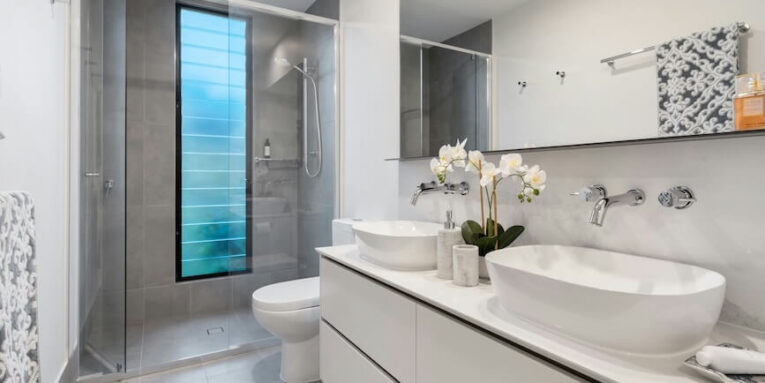
The bathroom is no longer just a functional space—it’s becoming a sanctuary, a design statement, and a place where technology and wellness converge. As we head deeper into 2025, homeowners and designers across Australia are embracing new approaches, materials, and features to transform bathrooms into havens of comfort, style and efficiency. If you’re planning a refresh or a full overhaul—say bathroom renovations in Melbourne—it’s a great time to get inspired by what’s emerging in the world of bathroom design.
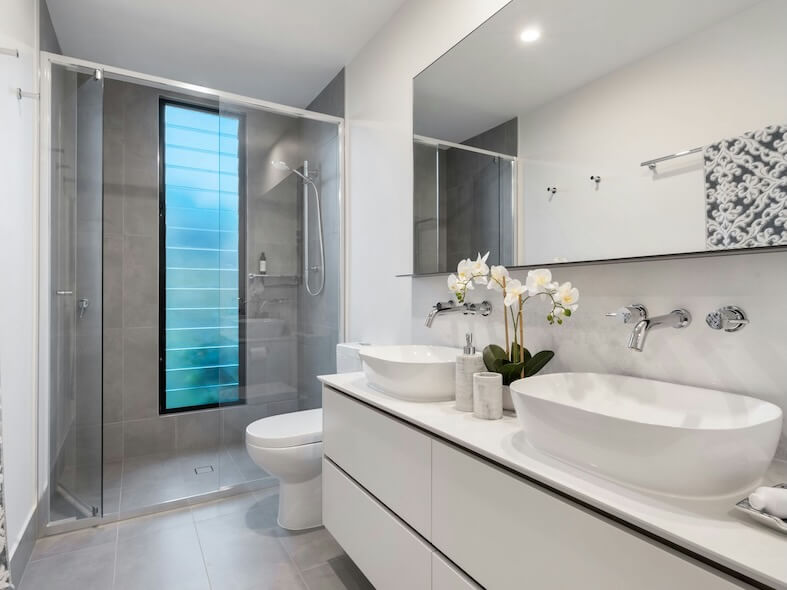
Below, we explore the key trends shaping bathroom renovations this year—and how you can thoughtfully incorporate them in your next project.
Sculptural & Soft Forms
One of the strongest movements this year is the shift away from sharp angles and rigid lines toward more organic, sculptural shapes. From arched mirrors and soft‑edged basins to curved vanity fronts and rounded wet‑area walls, these flowing forms bring a sense of calm and architectural interest.
Tips for implementation:
- Opt for a rounded vanity or wall‑hung basin with curved apron
- Use arched mirror frames or backlit mirrors with softened corners
- Blend geometry and curves selectively to avoid overdoing it in small rooms
Texture, Tactility & Material Integrity
In 2025, materials are speaking louder than colours. The focus is on tactility, depth, and authentic finishes—less polish, more presence. Think grooved timber panels, ribbed ceramic tiles, honed stone, and micro‑textured porcelain.
Tips for implementation:
- Use textured tiles in a niche or wet wall as a focal point
- Choose vanities or wall panels with fluted or grooved timber
- Pair matte surfaces with soft lighting to accentuate shadows
Wellness‑Centric & Biophilic Design
The bathroom is evolving into a wellness sanctuary. In 2025, design is shifting toward spaces that feel restorative and calm. Natural materials, muted earth tones, indoor greenery, and abundant natural light are all part of this movement. Smart fixtures are also being embraced—touchless taps, temperature‑controlled showers, mirrors with anti‑fog and lighting presets, and humidity‑sensing exhaust fans are becoming mainstream.
Tips for implementation:
- Incorporate plants or vertical greenery in bathroom niches
- Maximise natural light via skylights, high windows, or frosted glazing
- Select smart, water‑saving fixtures that support wellness
Moody & Tonal Colour Stories
While white and neutral bathrooms will always have their place, 2025 sees a rise in moody, tonal palettes. Deep charcoals, inky blues, forest greens and earthy ochres are being paired with soft neutrals to create elegant contrast and a sense of cocooning.
Tips for implementation:
- Use accent walls in deep tones while keeping major elements lighter
- Combine tonal variation instead of stark black/white contrast
- Bring in textured neutrals to balance intensity
Feature Tiles & Expressive Patterns
After years of ultra‑minimal looks, tiles are reasserting themselves as a primary design statement. Bold patterned tiles, mosaics, checkerboards, and decorative inserts are back in favour—especially as accent walls or in wet zones.
Tips for implementation:
- Use pattern in shower niches, behind the vanity, or as a floor zone
- Limit the scale of patterning—one strong statement area rather than every wall
- Match grout tone to tile for subtle effect or contrast it for boldness
Integrated & Discreet Storage
Storage is always a critical aspect of bathroom design, but in 2025 the ideal is “unseen but seamless.” Think in‑wall niches, recessed shelves, finger‑pull cabinetry, hidden drawers under vanities, and wall hung units that visually float.
Tips for implementation:
- Plan niches early in waterproofing stage
- Use frameless or minimal edging cabinetry
- Keep essential daily items in plain sight, less‑used items hidden
Sustainable & Efficient Design Choices
Environmental awareness is a non‑negotiable in modern renovations. In 2025, eco‑conscious design is expected—not optional. Expect to see:
- Water‑efficient taps, showers and dual‑flush toilets
- Recycled, upcycled or rapidly renewable materials
- LED, low‑wattage and sensor lighting systems
- Greywater reuse and integrated energy recovery ventilation
Smart & Connected Fixtures
Technology continues to reinvent what’s possible in the bathroom. In 2025, integration between digital and physical is seamless—showers, taps, mirrors, lighting and ventilation interact in unified systems.
Some innovations to watch:
- Preset temperature and flow for showers
- Motion or voice‑activated taps
- Mirrors with built‑in displays, defog and lighting control
- Humidity or moisture sensors tied to ventilation
- App‑based control of heating, lighting and ambient settings
Bringing It Together: A Thoughtful Renovation Approach
Knowing the trends is one part; applying them in a way that suits your home, budget and personal style is the real art. Here are a few guiding principles:
- Balance trend with timelessness. Use bold elements sparingly so you don’t date your space too quickly.
- Start with function & layout. Good circulation, waterproofing and plumbing placement are foundational.
- Select a focal “moment.” Whether it’s a textured tile wall, dramatic mirror or sculptural tapware, choose one standout element so the rest supports it.
- Tie in context. Your home’s style, surrounding colours and existing finishes should inform your choices.
- Consult experts early. Integrating smart systems, waterproofing, and structural changes is best handled in the planning stage.
If you’re considering bathroom renovations, connecting with local specialists can help you customise these trends in ways that suit your home, climate and lifestyle.
People also read this: Accelerate Multicloud Adoption with Managed Security Services
