
Big projects tend to get judged by what people can see at the end. A finished building, a completed renovation, a new site, a landscaped property, or a piece of infrastructure all look like the result of activity on the ground. But a lot of what determines whether a project runs smoothly happens before the first major task begins. Planning, access, scheduling, budgeting, equipment, site conditions, and communication all shape what happens later. If those early pieces are handled well, the actual work becomes easier to manage. If they’re rushed, the problems usually show up when the project is already underway and far harder to fix.
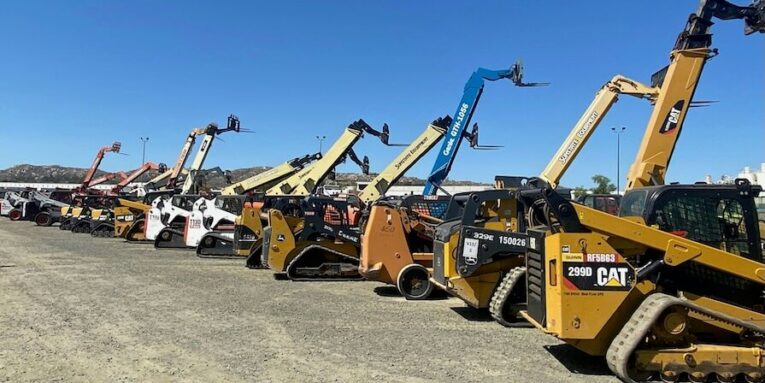
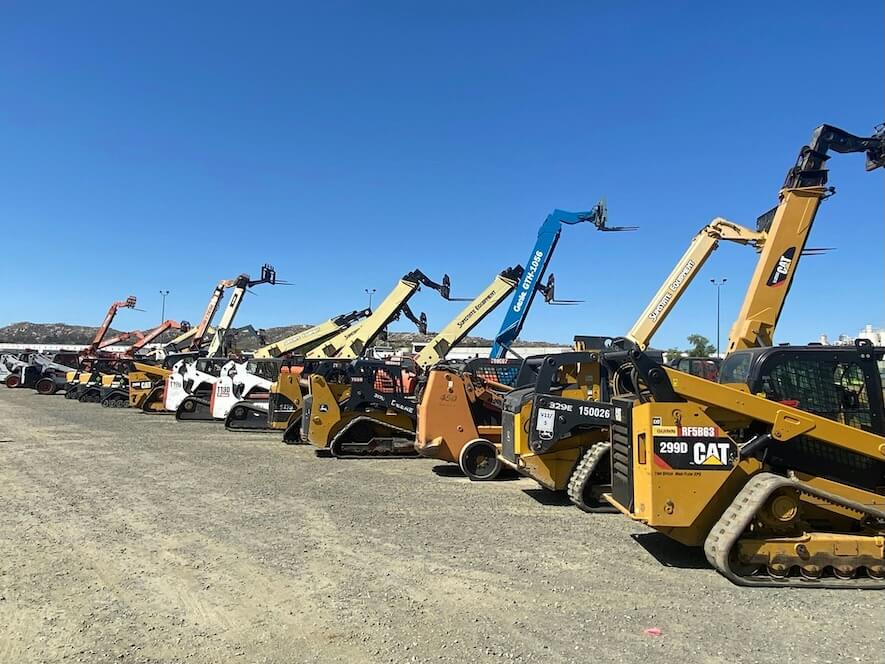
That’s especially true on construction and trade jobs, where delays can snowball quickly. Something as practical as organising construction equipment for hire at the right stage can affect timelines, labour efficiency, access, and how easily different parts of the job fit together.
Preparation Saves More Than Time
It’s easy to think of planning as paperwork, but good preparation is really about reducing friction. If materials arrive before the site is ready, they get in the way. If machinery turns up late, crews can be left waiting. If access hasn’t been properly considered, a simple delivery can become a headache. If the wrong equipment is booked, the team might have to improvise around a problem that should’ve been solved beforehand.
None of these issues sound dramatic in isolation, but they add up. A few hours lost here, another half-day there, extra labour costs, rescheduled deliveries, and frustrated trades can quickly turn into a much bigger problem. The strongest projects tend to feel calm because the obvious complications were dealt with early.
The Right Equipment Changes the Pace of a Job
Construction work is physical, practical, and heavily dependent on having the right tools for the task. There’s a big difference between getting something done and getting it done efficiently, and the right equipment can reduce manual handling, improve access, speed up material movement, and make jobs safer for everyone involved.
That might mean an excavator for groundworks, a scissor lift for height access, a loader for moving materials, or specialist machinery for a particular site condition. The point isn’t to have more equipment than necessary. It’s to have the right equipment available when it’s actually needed, which requires some forward thinking. Hiring machinery at the last minute can limit availability or force compromises, while booking too early can create wasted hire time if the site isn’t ready. Timing matters almost as much as the machine itself.
Site Access Deserves More Attention Than It Gets
One of the least glamorous parts of project planning is also one of the most important: access. Can machinery physically get onto the site? Is there enough room to turn or operate safely? Will deliveries block other work? Are there overhead restrictions, tight gates, soft ground, neighbouring properties, or traffic conditions to think about?
These details are easy to overlook when plans are being discussed on paper, but on site, they become very real very quickly. A project can have the right people and the right equipment, but if nobody’s thought through how everything will move in and out, progress can still slow down.
Good Scheduling Keeps Trades From Tripping Over Each Other
Construction projects often involve multiple contractors, suppliers, and stages of work. The challenge isn’t just getting everyone booked. It’s making sure they arrive in an order that makes sense. There’s little value in having one trade finish beautifully if another crew has to undo part of the work to get access later. The same goes for equipment. Machinery should support the workflow, not clutter the site or sit idle while everyone waits for the next stage.
Good scheduling creates breathing room. It allows different teams to work efficiently without constantly competing for space, access, or resources, and it gives the project a more natural rhythm instead of forcing everyone to work around avoidable bottlenecks.
Flexibility Still Matters
Even with strong planning, projects change. Weather interrupts schedules, deliveries get delayed, ground conditions turn out differently than expected, a design gets adjusted, or a task takes longer than forecast. That’s normal, and the goal isn’t to create a plan so rigid that nothing can move.
It’s better to build enough structure that changes can be absorbed without sending everything into chaos. A well-prepared project has contingencies, realistic timeframes, and enough information in place for people to make quick decisions when something unexpected happens.
Communication Holds Everything Together
No amount of planning helps if the people involved don’t know what’s happening. Clear communication between contractors, site managers, suppliers, clients, and equipment providers makes a huge difference. Everyone should know when they’re needed, what access looks like, what’s changing, and who’s responsible for the next step.
The best communication is usually straightforward. It doesn’t need endless meetings or complicated reporting. It just needs accurate information at the right time, shared with the people who actually need it.
Smooth Projects Usually Start Before the Site Gets Busy
Successful projects rarely come down to one dramatic decision. They’re usually the result of dozens of sensible choices made early. Planning the sequence, checking access, organising equipment, setting realistic schedules, and keeping people informed can make the entire job feel more controlled.
By the time the visible work begins, a lot of the project’s success has already been decided.
People also read this: How Big Life Changes Become Easier With the Right Professional Support
