
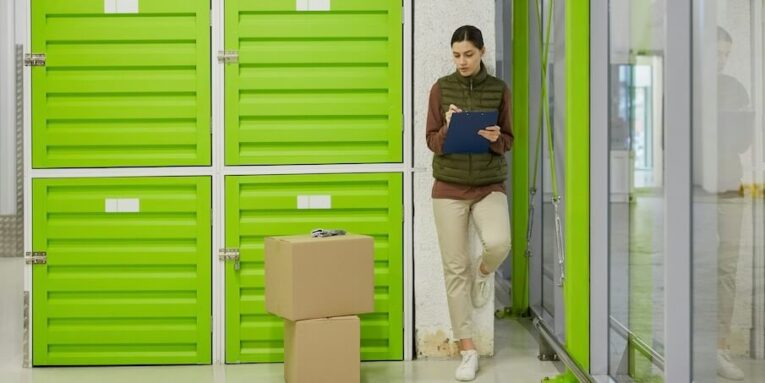
There are certain moments when a home suddenly feels too small. Not because the walls have moved, obviously, but because life has. A renovation starts. A baby arrives. Adult kids move back in. Someone starts working from home. A garage that once had breathing room becomes a holding bay for boxes, tools, bikes, spare chairs, camping gear, and things nobody wants to throw away yet.
That’s why flexible storage has become such a practical option for busy households. It gives people a way to deal with clutter, transitions, and big life admin without needing to make rushed decisions about what stays and what goes. Services like TAXIBOX fit neatly into this shift because storage is no longer just about locking things away somewhere. It’s about making space when life gets temporarily messy.

Most Clutter Isn’t Really Clutter
It’s easy to look around a crowded room and think the answer is to get rid of half your belongings. Sometimes that’s true. But often, the issue isn’t that everything is useless. It’s that too many useful things are competing for the same space at the same time.
Seasonal items, sentimental boxes, renovation materials, outdoor furniture, baby gear, spare appliances, archived paperwork, and furniture between moves can all be worth keeping. The problem is that they don’t always need to live in the middle of your home.
Flexible storage gives households a middle ground. You don’t have to throw things out in a panic, but you also don’t have to keep tripping over them every day.
Renovations Are Easier With Breathing Room
Anyone who’s lived through a renovation knows the chaos spreads quickly. One room gets worked on, then suddenly the contents of that room are in the hallway, the dining table is covered in paint samples, and half the garage is impossible to access.
Creating temporary space can make the whole process less stressful. Furniture is less likely to get damaged, trades have more room to work, and the household can keep functioning without every room turning into a storage zone. Even small renovations can feel much bigger when there’s nowhere for displaced items to go.
The same applies to moving house. There’s rarely a perfectly smooth overlap between leaving one place and settling into the next. Sometimes settlement dates don’t line up. Sometimes people need to declutter before selling. Sometimes the new home needs work before everything can move in. Having flexible storage in the mix can take pressure off those awkward gaps.
Space Changes How a Home Feels
A home doesn’t need to be minimalist to feel calm. It just needs enough room for daily life to happen without constant friction. When surfaces are clear enough to use, cupboards aren’t overstuffed, and walkways aren’t blocked, the whole place feels easier to live in.
That extra space can also help people make better decisions. Sorting through belongings is much harder when you’re stressed, rushed, or surrounded by piles. Taking some items out of the immediate living area can make it easier to see what you actually use, what you still love, and what can eventually be donated, sold, or passed on.
Storage Should Fit Real Life
The best storage solutions are the ones that understand people don’t always need the same thing forever. A household might need extra space for three months during a renovation, a few weeks during a move, or longer while adjusting to a new stage of life.
That flexibility matters because modern households are rarely static. People move, combine homes, downsize, renovate, change jobs, welcome family members, and rethink how they use their rooms. Storage has become less about hiding clutter and more about giving people room to manage change.
A Little Extra Space Can Make a Big Difference
When life gets crowded, having somewhere practical to put things can feel like a relief. It doesn’t solve every problem, but it can make the bigger ones easier to handle.
Flexible storage gives households time, space, and options. And when a home starts to feel overwhelmed by everything happening inside it, those three things can make all the difference.
People also read this: What Growing Businesses Should Know Before Choosing a Property Partner
