
Choosing between green vein kratom varieties can be confusing when several names appear similar. You can observe Green Elephant alongside Green Malay, Green Borneo, and other green varieties. They all fall under the general green-vein group, though they may vary in name and characteristics. Without understanding those distinctions, comparing varieties becomes more difficult.
Green Elephant has several features that give it a distinct identity, including its large, broad leaves, balanced profile, and stable character. Other varieties may carry names associated with particular regions or other characteristics. You can also compare specific products by reviewing their format, processing, laboratory testing, and available sizes.
Here is what distinguishes Green Elephant from other green vein varieties and the key features you should know when comparing it with other options.
Understand Elephant Name
Green Elephant Kratom gets its name from the large, broad leaves associated with Elephant varieties. The Elephant name indicates a specific type, and green vein explains its broader classification. Green Elephant is thus a distinct variety within the green-vein category instead of a different vein category.
Other green varieties can have names associated with geographic regions. Green Borneo, for example, is associated with Borneo, and Green Malay is associated with Malaysia. Green Elephant is different because its name focuses on a leaf characteristic rather than a geographic connection.
This distinction helps you understand what the name means. “Green vein” identifies the broader group, while “Elephant” identifies the particular variety associated with its large-leaf characteristic. That makes the name useful when comparing Green Elephant with other varieties in the same category.
Green Vein Strain Varieties
Green Elephant belongs to the green-vein category alongside kratom strains such as Green Malay and Green Borneo. The green-vein label provides the broader classification, while each strain name gives you additional information about the product. Green Elephant is therefore one option within a larger group of green-vein kratom strains.
Green Malay and Green Borneo provide useful comparison points. Green Borneo is associated with Borneo, while Green Malay is associated with Malaysia. Green Elephant, by contrast, is associated with its large-leaf characteristic. These differences help explain why kratom strains within the same green-vein category can have distinct names.
When comparing Green Elephant with another kratom strain, review the available product information rather than relying only on the strain name. Consider the variety’s identifying characteristics and stated profile alongside the specific product details.
Key Features of Green Elephant Kratom
Green Elephant has several features that help distinguish it within the green-vein category. Some features describe the variety itself, while others relate to the specific product and how it is prepared.
- Large, broad leaves: The variety is associated with leaves that are larger and more mature than standard green-vein leaves.
- Green-vein classification: Green Elephant belongs to the broader green-vein group rather than representing a separate vein category.
- Balanced profile: The product is presented as a balanced green-vein option with a stable profile.
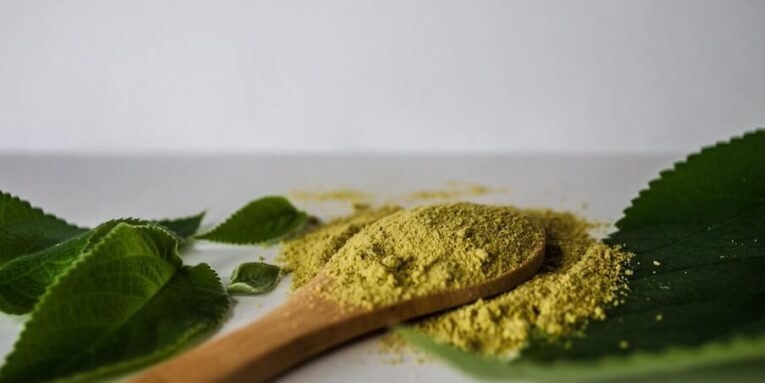
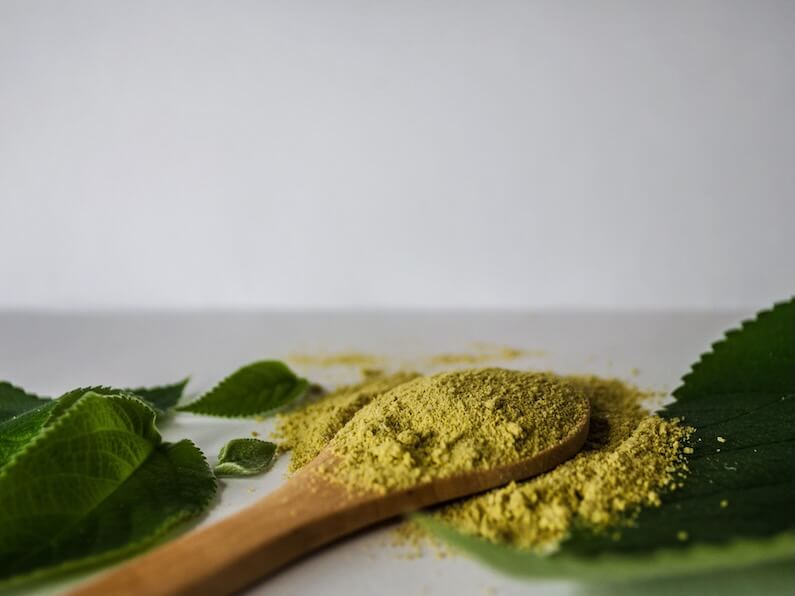
- Finely milled powder: The product is available in a finely milled powder format.
- Multiple size options: The product is offered in sizes ranging from 25g to 1000g.
- Third-party laboratory testing: Available product information states that batches undergo third-party testing for identity, purity, and consistency.
These features should be viewed separately. The large-leaf characteristic and green-vein classification help identify Green Elephant as a variety, while the balanced profile, powder format, size options, and laboratory testing provide additional information about the specific product. This distinction helps you understand what makes the variety different without confusing its identity with individual product characteristics.
Product Characteristics
Once you understand the key features of Green Elephant, you can examine the characteristics of the specific product. Its finely milled powder format and multiple size options give you additional details to consider when comparing products. These details can help you distinguish the physical product from the broader characteristics of the variety.
Laboratory testing provides another useful point of comparison. The product information states that batches undergo third-party laboratory testing to check identity, purity, and consistency. These checks do not define Green Elephant as a variety, but they provide additional information about the specific product you are evaluating. Reviewing testing information can give you more context when comparing specific products.
Processing information can also help you understand the product. The page states that the leaves are dried using natural sunlight and indoor conditions before being ground into a fine powder. Looking at processing, testing, and product format alongside the variety characteristics gives you a more complete basis for comparison. These product details complement the key features that define Green Elephant’s identity.
Conclusion
Green Elephant differs from other green vein varieties through its large, broad leaf characteristics, green-vein classification, and stated balanced profile. Its name emphasizes the Elephant designation and associated leaf characteristics, while varieties such as Green Malay and Green Borneo are associated with geographic names. Green Elephant remains part of the green-vein category, so “Elephant” identifies the variety rather than a separate vein classification. These features give you a clearer way to understand where Green Elephant fits within the broader range of green-vein varieties.
When comparing Green Elephant with other green options, start with its key features. Consider its large-leaf identity and stated profile first, then review the specific product’s format, processing, laboratory testing, and available sizes. This approach helps you compare the variety and product details separately. You can then make a more informed comparison based on documented characteristics rather than the variety name alone.
People also read this:
