
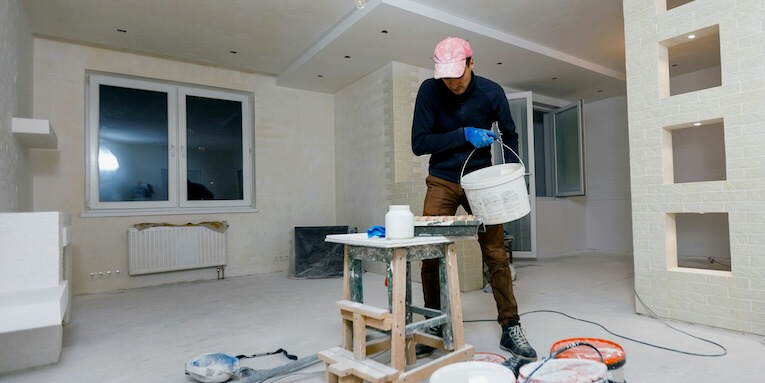
Most people see painting as straightforward, buy some paint, grab a roller, cover the walls. The reality is considerably more involved. Professional painting encompasses a detailed process that spans days or weeks, with the actual painting representing maybe a third of the total work. The difference between a decent paint job and one that lasts a decade comes down to everything that happens before and after the roller touches the wall.
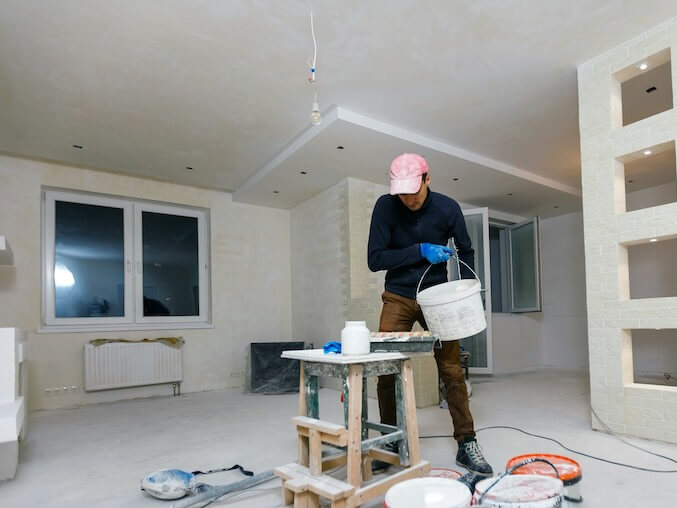
The Assessment Phase Nobody Thinks About
Before any work begins, experienced painters spend time examining every surface. They’re looking for cracks, water damage, previous repair work, and how existing paint has held up. A wall might look fine at first glance, but a closer inspection reveals issues that need addressing before new paint goes on.
This assessment determines the entire project scope. Finding extensive water damage means stopping to fix the source and repair the substrate. Discovering lead paint in older homes requires completely different protocols. Textured surfaces need different approaches than smooth drywall. Each finding changes the timeline, materials needed, and preparation steps.
The assessment also involves understanding how spaces get used. High-traffic commercial areas need more durable finishes than residential bedrooms. Kitchens and bathrooms demand moisture-resistant products. External surfaces exposed to Perth’s intense sun require UV-stable paints. Getting these specifications wrong means redoing work within months instead of years.
Surface Preparation: Where Quality Actually Starts
Here’s where professional work diverges sharply from DIY attempts. Proper surface prep takes longer than the painting itself and determines how well paint adheres and how long it lasts.
Cleaning comes first, removing dirt, grease, mildew, and old flaking paint. This isn’t a quick wipe-down. Professionals use specific cleaners for different contaminants, sometimes power washing exterior surfaces or using chemical treatments for stubborn residues. Paint won’t bond properly to dirty surfaces, no matter how many coats get applied.
Next comes repairs. Cracks get filled with appropriate compounds (not all fillers work the same), holes get patched properly, and damaged sections sometimes need complete replacement. Many property owners looking for lasting results turn to Perth Professional Painters because they understand that rushed repair work creates visible problems once paint goes on.
Sanding follows repairs, smoothing patched areas, removing gloss from existing paint to create tooth for the new finish, and addressing any rough spots. The amount of sanding depends on the desired final appearance. High-end finishes require more extensive smoothing than textured or matte surfaces.
Priming represents another critical step many people skip. Primer seals porous surfaces, blocks stains, helps paint adhere, and can solve specific problems like covering dark colours or treating bare wood. Different primers serve different purposes, some block water damage stains, others seal fresh drywall, and specialized versions handle metal or plastic surfaces. Using the wrong primer or skipping it entirely shows up once topcoats dry.
Protection and Masking Take Real Time
Professional crews spend considerable time protecting what shouldn’t get painted. This goes beyond tossing down a few drop sheets.
Furniture gets moved or covered with proper protective materials. Floors receive multiple layers of protection in high-traffic areas. Light fixtures, switches, outlets, and hardware either get removed or carefully masked. Windows need edge protection that allows clean lines without paint bleed. Landscaping around buildings requires covering to prevent overspray damage.
The masking work itself is precise. Clean paint lines, especially where walls meet trim, ceilings, or different coloured sections, require careful tape application. Poor masking shows up immediately as wobbly edges or paint where it shouldn’t be.
The Actual Painting Process
Even the painting itself involves more complexity than most realize. Application method matters, rollers for large flat areas, brushes for edges and detail work, and sprayers for certain exterior jobs or textured surfaces. Each tool requires specific techniques for even coverage.
Multiple coats are standard, not optional. The first coat rarely provides adequate coverage or durability. Most jobs need at least two finish coats, sometimes three for dramatic colour changes or challenging surfaces. Each coat must dry completely before the next goes on, and rushing this step causes problems.
Application conditions matter significantly. Temperature and humidity affect how paint flows and cures. Too cold and paint won’t adhere properly. Too hot and it dries too quickly, showing roller marks. High humidity extends drying times and can cause other issues. Professional painters monitor conditions and adjust their schedule accordingly rather than pushing through when circumstances aren’t ideal.
Technique determines the final appearance. Proper roller loading, maintaining wet edges to avoid lap marks, consistent pressure, and appropriate overlap all contribute to uniform coverage. Brushwork requires different skills, cutting clean lines, avoiding drips, and creating smooth finishes without visible brush marks.
The Finishing Details
Once paint dries, the detail work begins. Removing masking tape at the right time prevents pulling fresh paint off with it. Any small touch-ups get addressed, missed spots, thin areas, or accidental marks from the process itself.
Hardware gets reinstalled, fixtures go back up, and any removed items return to their positions. Final cleanup removes dust, paint chips, and any protective materials. Professional crews leave spaces ready to use, not requiring additional work from property owners.
Why All This Matters
The comprehensive process explains why professional painting costs what it does and why it lasts significantly longer than quick DIY attempts. Skipping preparation steps might save a weekend, but the results show within months as paint peels, colours look uneven, or surfaces underneath continue deteriorating.
Quality painting work should last five to ten years for interiors and three to seven for exteriors, depending on conditions and maintenance. When work fails prematurely, it’s almost always due to inadequate preparation or poor application technique rather than paint quality itself.
Understanding what proper painting actually involves helps property owners recognize when they’re getting thorough professional work versus someone cutting corners to underbid competitors. The upfront investment in doing things correctly always costs less than redoing failed work a year later.
People also read this: Building Momentum: How Growing Companies Fund Their Next Big Move
 - https://epodcastnetwork.com/what-actually-goes-into-a-professional-paint-job-its-not-just-rolling-walls/)