
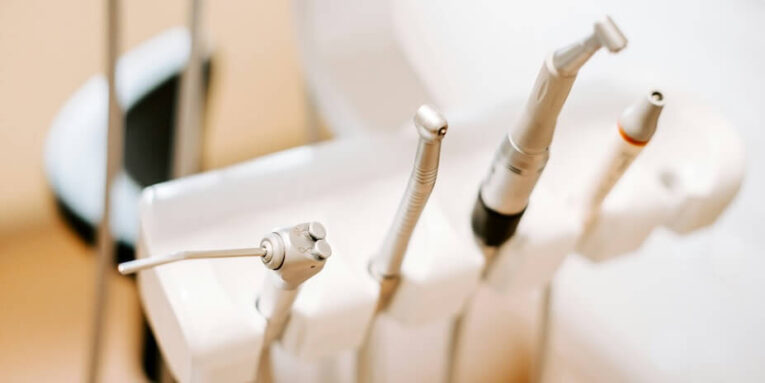
Purchasing used dental equipment is a practical and low-cost option for many dental practices. However, ensuring safe and proper function requires close attention and examination. Appreciating how critical it can be when purchasing used dental instruments can have a giant impact on the viability of any dental practice.
Assessing the Seller’s Reputation
Buyers must verify the credibility of the seller before buying. Reviewing an online website’s rating accomplishes this. Talking to previous purchasers will inform you about what it was like to work with them. You need to know about the seller, and one of the reputable sellers gives precise details about the history and condition of the equipment, which helps you make the right decision. Before purchasing, verifying certifications and warranties on used dental equipment for sale is vital.
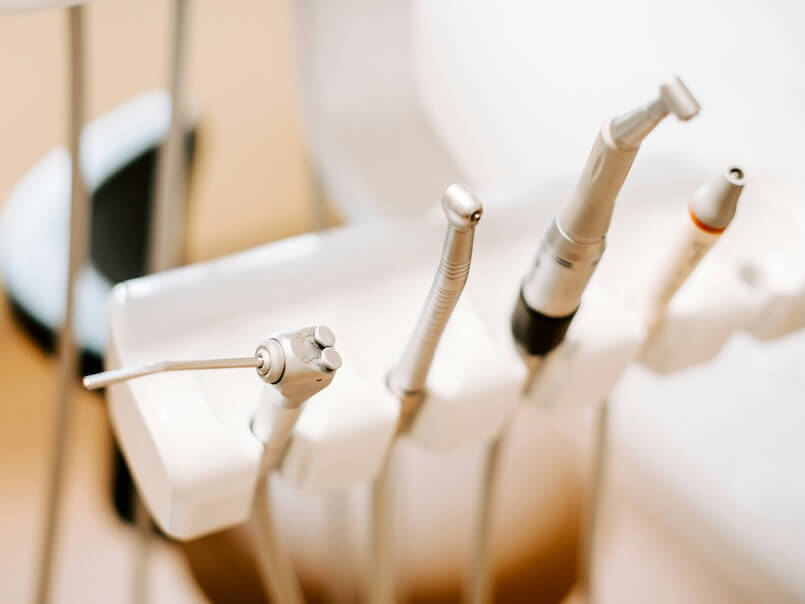
Understanding Equipment History
The history of this equipment is crucial. Inquire about past usage, maintenance history, and repairs. Effective maintenance usually means well-cared-for and long-lasting equipment. Knowing how frequently the item was serviced will help you estimate its durability in the future.
Inspecting Physical Condition
The physical status should be scrutinized. Examine for signs of use, like dings, scratches, or rust. These can be signs of neglect or heavy usage. Verify that everything is loaded and ejecting and that it is functioning correctly. Refer to the equipment to see how well it does. Actually watching it run helps expose problems that you may overlook immediately.
Evaluating Technological Compatibility
The technology associated with dental practices is quickly changing. The equipment used must also be compatible with the systems in practice today. Consider whether you can easily merge the equipment with existing software and tools. This streamlines the process and lowers the chances of complications further down the line.
Verifying Safety Standards
Safety should be the first consideration. Verify the equipment’s compliance with current safety standards and regulations. That can mean looking up compliance certifications or requesting documentation from the seller. You must follow the safety guidelines to protect the dental staff and patients from the equipment.
Consulting With Experts
Experts or technicians with experience in dental equipment should examine it. They can offer insights into the condition of the equipment and possible problems. This qualified opinion can be crucial to purchasing and providing assurance and certainty.
Checking Warranty and Return Policy
Verify both the supplier’s warranty and return policy. A strong warranty can reassure you that the equipment will work as it should. Knowing the return policy is also significant because it protects you if the lab equipment does not meet the mentioned standards.
Considering Cost and Value
Used equipment can be the most affordable, but it is necessary to balance savings and value. The price should be proportional to the equipment’s condition, age, and functionality. At times, spending more on something of quality pays off, which saves you money and effort in the long run.
Exploring Financing Options
Certain sellers also provide financing, which helps reduce the initial investment associated with buying costs. Following these options, also regarding budgets, can offer more flexibility. These strategies can benefit new or growing practices, helping them obtain necessary tools without a heavy initial investment.
Prioritizing Essential Features
Please identify the essential features required to implement it. Concentrate on these key areas to ensure the equipment will fulfill the practice’s needs. Feature prioritization prevents unnecessary add-ons, which may increase the price for no benefit.
Testing Before Purchase
It is always best to test equipment before you buy it. This allows potential buyers to evaluate functionality and ease of use. A test will also show if there are any issues to fix before buying.
Planning for Future Needs
Factor in possible future practice needs. Although the current equipment may be adequate, considering potential future expansions or changes in working methods can assist you in making a more forward-thinking purchase. Future needs planning ensures that the investment always maintains its relevance and utility.
Conclusion
After inspection, the dental equipment must be chosen carefully and correctly. Evaluating seller credibility, background checks on the equipment, and safety features can help dental practices make informed decisions. Focusing on critical functionality and future-proofing your purchase can significantly increase the return on investment. Buying used dental equipment is a relatively strategic decision that can have a significant financial and operational impact on any dental practice.
People also read this: The Ultimate 2025 Guide to Unique Gifts and Lifestyle Finds for Every Occasion
