
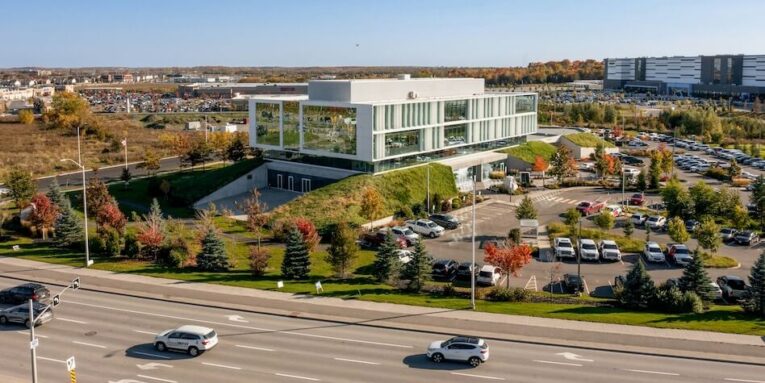
When entrepreneurs picture the physical footprint of a business, they see square footage, parking, signage, maybe the HVAC. The trees out front rarely make the list. Ask any broker who has walked a buyer through a commercial property, though, and they’ll tell you the landscape does real work in shaping first impressions and final offers.
So what does the canopy around your building do for the enterprise inside it?
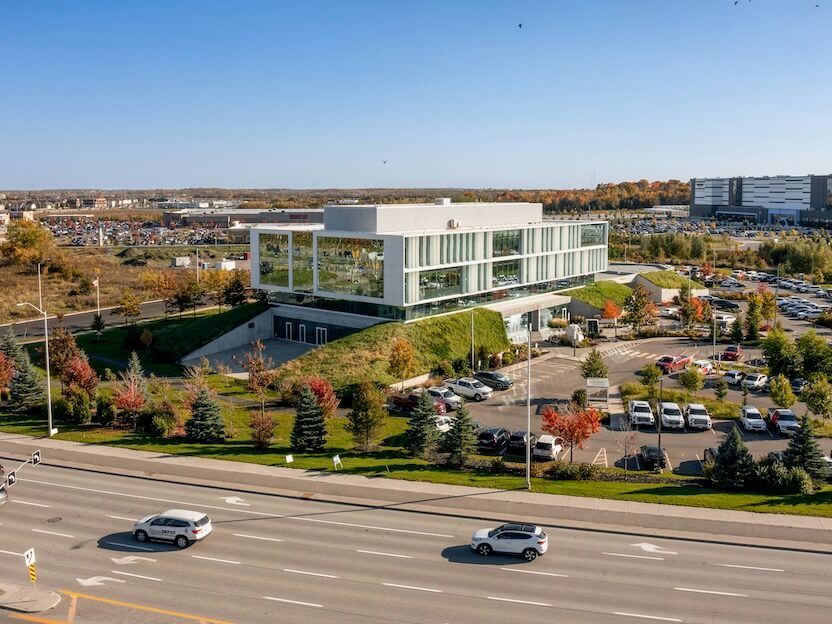
Curb Appeal Is a Financial Statement
A mature tree line reads as stability. A patchy, sun-baked lot reads as deferred maintenance. Buyers extrapolate from what they can see.
Established, mature trees can meaningfully lift property values. That’s not landscaping fluff. It’s a valuation lift wide enough to move the number on a purchase agreement.
The effect compounds when a business sits on owned real estate that trades alongside the operating company. Trees don’t show up as a line item, but they anchor the appraisal underneath the deal.
Operating Costs Buyers Actually Model
Sophisticated acquirers underwrite utility spend. Shade lowers it. USDA Forest Service simulations suggest a single 25-foot tree can trim annual heating and cooling costs of a typical residence by 8 to 12 percent, and the same physics applies to small commercial buildings, retail pads, and mixed-use footprints.
Multiply that across a decade of ownership and the canopy starts looking less like decoration and more like a passive efficiency asset. Stormwater is the other side of the ledger. A single large tree can hold back 166 to 332 gallons in a storm event, which matters in flood-prone counties where insurance underwriters are paying closer attention to every renewal.
The Risk Nobody Prices In Until Closing
Here’s where owners get burned. Trees are fragile during any renovation, expansion, or tenant buildout. Soil compaction in the critical root zone is a leading cause of tree death on construction sites, and the damage often takes years to surface in the canopy.
Translation: the site work you did in 2023 can kill the oaks that were propping up your valuation in 2027.
- Protect the root zone. Fence off the drip line before equipment arrives. Cheapest insurance on the job.
- Document what’s there. A pre-construction tree inventory becomes diligence-ready material when a buyer asks.
- Budget for arborist review. A short consult beats replacing a 40-year specimen with a sapling and a hopeful smile.
Why This Belongs in an Exit Conversation
Owners preparing to sell tend to focus on financials, contracts, and staffing. Fair, since those move the multiple most. But the physical property tells buyers whether you’ve been a steward or a squeezer, and canopy is among the most legible signals on the walk-through.
A seasoned intermediary will walk the site before listing and flag what needs attention. If you’re thinking about a future exit, the landscape audit belongs on the pre-sale checklist alongside the QoE and the lease review. Small fixes here read as pride of ownership, which is precisely the story you want buyers telling themselves.
The Bigger Backdrop for Business Owners
Zoom out and the context sharpens. A significant share of America’s forest land sits inside cities and towns, and that inventory is thinning. Urban and community tree cover has been declining steadily, with the lost environmental and economic benefits adding up year after year.
The distribution matters too. A study across 5,723 US communities found that in 92 percent of urbanized areas, lower-income blocks average 15.2 percent less tree cover and run 1.5°C hotter in summer than wealthier ones. For owners with locations in those neighborhoods, planting is both good citizenship and a defensible investment in the surrounding market. Buyers notice which side of that line your property sits on.
People also read this: Why Local SEO Matters for a Successful Digital Marketing Agency Miami
