
A sternum fracture is a serious injury that can occur during car, bike, or impact-related accidents—often due to the force of a seatbelt, airbag deployment, or direct trauma to the chest. Because the sternum protects vital organs like the heart and lungs, ignoring the signs or delaying medical help can worsen complications. If you suspect that you or someone else has fractured the sternum after a crash, knowing the right steps to take can make recovery safer and faster.
Immediate Symptoms
After a crash, the first step is to recognize the warning signs of a possible sternum fracture. Key symptoms include:
- Sharp pain in the center of the chest, especially when breathing or pressing the area
- Swelling, bruising, or tenderness over the sternum
- Difficulty breathing or taking deep breaths
- Pain that worsens with movement, coughing, or laughing
- A cracking sound at the moment of impact (in some cases)
If these symptoms of a fractured sternum appear moments or hours after the crash, take them seriously. Chest pain should never be ignored.
Move Less or Stay Still After the Injury
If you suspect a fractured sternum, try to minimize movement. Moving too much can worsen pain, increase inflammation, and potentially affect the surrounding structures.
- Remain seated or lying in a comfortable position
- Avoid twisting your torso.
- Keep breathing steady and avoid panic.
If you’re driving or alone, call for help instead of attempting to drive yourself to a hospital.
Seek Emergency Medical Care
A chest injury must always be checked by a medical professional. You should seek emergency care immediately if you notice:
- Severe chest pain
- Shortness of breath
- Dizziness or fainting
- Irregular heartbeat or palpitations
- Pain spreading to the back, shoulder, or arms
- Coughing up blood
These symptoms could indicate internal complications, such as damage to the lungs, heart, or major blood vessels. It’s safer to assume the worst and let doctors confirm the severity.
What Tests Will Doctors Perform to Confirm a Sternum Fracture?
At the hospital, doctors will perform diagnostic tests to determine whether the sternum is fractured and whether nearby organs are affected. Common tests include:
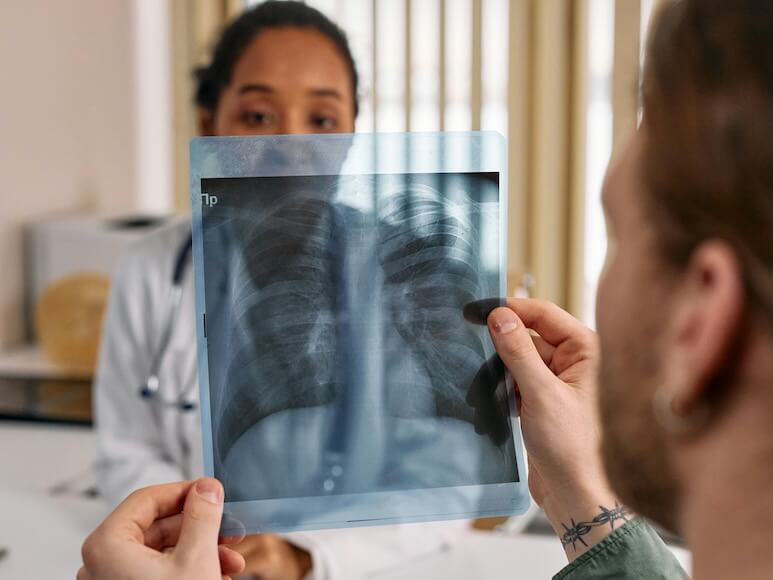
- Chest X-ray – identifies visible bone fractures
- CT scan – detailed imaging to detect minor or hidden fractures
- ECG (electrocardiogram)—checks for heart trauma
- Blood tests – identify internal bleeding or organ stress
These tests ensure an accurate diagnosis and help rule out life-threatening injuries.
What Should You Avoid Doing Before You Get a Diagnosis?
Until a medical evaluation is done, refrain from:
- Applying pressure or massaging the chest area
- Performing heavy lifting
- Taking deep breaths forcefully or coughing aggressively
- Driving or doing physical activity
- Taking painkillers like aspirin (they can increase bleeding risks)
Avoiding these actions prevents further injury and reduces the risk of complications.
How Is a Fractured Sternum Usually Treated?
Most sternum fractures do not require surgery. Typical treatment includes:
- Rest and limited movement
- Ice application to reduce swelling
- Pain medication (as prescribed)
- Breathing exercises to prevent lung infections
- Avoiding strenuous activity for 6–8 weeks
In severe cases where the bone is displaced or internal organs are affected, surgery may be required to stabilize the chest wall.
What Steps Should You Take During Recovery?
Recovery from a sternum fracture requires consistent care. You should:
- Sleep in an elevated position to ease breathing
- Use a pillow when coughing or sneezing for chest support.
- Attend all follow-up appointments
- Gradually increase activity only when advised
- Watch for warning signs like increased pain, fever, or breathing difficulty.
These steps help prevent complications like pneumonia or delayed healing.
When Can You Return to Normal Activities?
Most patients return to normal daily activities within 6–12 weeks, depending on the severity of the fracture. Only return to:
- Driving
- Gym workouts
- Lifting heavy objects
- High-impact exercises
after receiving medical clearance. Rushing recovery can cause the bone to heal improperly or prolong pain.
Key Takeaways
- A fractured sternum is a serious chest injury that requires immediate attention, especially if pain worsens with breathing, movement, or pressure.
- After a crash, limit movement and avoid driving yourself to the hospital—excess motion can worsen the injury or affect nearby organs.
- Seek emergency medical care if you experience severe chest pain, shortness of breath, dizziness, or irregular heartbeat, as these may indicate internal complications.
- Diagnosis typically requires X-rays, CT scans, ECGs, and blood tests to check for fractures and rule out damage to the heart or lungs.
- Recovery usually takes 6–12 weeks, involving rest, pain management, breathing exercises, and avoiding strenuous activity until cleared by a doctor.
People also read this: Best Car Lifts for Small Spaces: Compact and Reliable Options
