
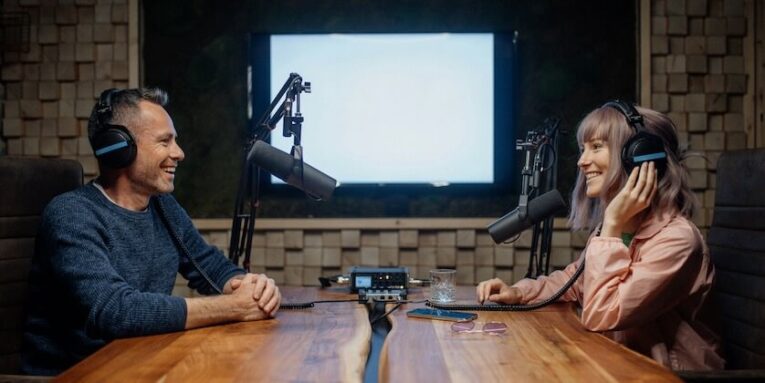
A podcast about Rust works best when it follows the game’s natural rhythm: monthly updates, regular server wipes, changing metas and a steady flow of community stories. The most engaging shows mix news breakdowns, gameplay strategy, interviews with players and creators, and lighter segments on topics like base designs, raid stories and cosmetic skins. Planning episodes around the wipe calendar, keeping the format consistent and focusing on a clear audience, from beginners to hardcore PvP players, gives a Rust podcast a strong chance of building loyal listeners.
Few games generate as many stories as Rust. A good podcast simply gives them a place to be heard.
Why Rust Works So Well as Podcast Material
Rust, the long-running survival game from Facepunch Studios, has an unusually rich mix of topics for audio content. Every session produces moments worth talking about, from tense negotiations with neighbors to dramatic base raids and unexpected alliances.
Several features make it ideal for regular episodes:
- Monthly updates bring new items, mechanics and balance changes to discuss.
- Wipes reset servers on a regular schedule, creating natural episode milestones.
- Player stories are unpredictable, funny and often dramatic.
- A strong creator scene includes streamers, YouTubers, server owners and artists.
- Ongoing debates about balance, server types and strategy keep conversations lively.
Unlike games that rely mainly on scripted content, Rust’s best moments are created by its players, which gives podcasters an endless supply of material.
Choosing the Right Format
Before recording, decide what kind of show you want to make. Each format suits different goals:
| Format | Best for | Typical episode length |
| News and update recap | Covering patches, wipes and developer announcements | 20 to 40 minutes |
| Strategy and tips | Helping players improve building, farming and PvP | 30 to 45 minutes |
| Interview show | Talking with streamers, server owners and creators | 45 to 75 minutes |
| Story-driven episodes | Retelling memorable raids, betrayals and adventures | 25 to 50 minutes |
| Panel discussion | Debating game changes and community topics | 45 to 90 minutes |
Many successful shows combine formats, for example opening with news, moving into a main discussion and ending with listener stories.
Episode Ideas to Fill Your Calendar
A list of ready-made topics makes it easier to stay consistent. Here are ideas that work well for Rust audiences:
- Wipe day preview: What changed this month and how it might affect play.
- Beginner survival guide: Common mistakes new players make in their first week.
- Best base designs: Popular layouts for solos, duos and large groups.
- Raid stories: Listeners share their most memorable successes and disasters.
- Server culture: How vanilla, modded, roleplay and community servers differ.
- Interview with a server owner: What it takes to run a popular community server.
- Skin design spotlight: How artists create cosmetics and submit them through the Steam Workshop.
- The skin economy explained: Why some cosmetics become collectible and how players trade them.
- Crate culture: A look at how cosmetic crates work across the community.
- Console versus PC: How the experience differs across platforms.
- Biggest updates in Rust history: Changes that shaped the game over the years.
- Monument guides: Tips for exploring and surviving popular locations.
- Teamwork and trust: How groups form, communicate and sometimes fall apart.
- Streamer events: What large community events mean for the wider player base.
- Year in review: Highlights, controversies and predictions for the future.
For a crate-themed episode, it’s worth explaining how these features work in practice. Some community sites offer online crate openings, where players use their balance to open a crate and receive a randomly selected cosmetic item. Because the result depends on chance, players may receive an item worth less than what they spent, so the topic is best covered with a clear note about setting personal limits, following each site’s age requirements and treating crates purely as a cosmetic pastime.
Recording Around the Wipe Schedule
Rust’s monthly forced wipe, which usually takes place on the first Thursday of each month, is a natural anchor for a podcast calendar. Many players plan their sessions around it, so episodes that land just before or after a wipe tend to attract strong interest.
A simple monthly structure might look like this:
- The week before wipe: Preview expected changes and share preparation tips.
- Wipe week: Cover patch notes, first impressions and early strategies.
- Mid-month: Focus on interviews, stories and deeper discussions.
- Late month: Review how the update played out and gather listener feedback.
This rhythm keeps content timely while giving you room for evergreen episodes that remain useful long after release.
Equipment and Production Basics
You don’t need a professional studio to start a gaming podcast, but good audio makes a big difference. Focus on:
- A reliable microphone suited to your recording space
- Headphones to monitor sound and avoid echo
- A quiet room with soft furnishings to reduce reverb
- Recording software that captures each speaker on a separate track
- Basic editing to remove long pauses, background noise and technical issues
If you include gameplay clips or sound effects, check the rules around using game audio and music in your content. Clear, consistent sound quality will keep listeners coming back more reliably than expensive equipment.
Growing Your Audience
Building listeners takes time, but a few habits help:
- Publish consistently, whether weekly, biweekly or around each wipe.
- Share short clips on social media and video platforms.
- Invite guests from the community, who can introduce your show to their followers.
- Encourage listener stories and feature them in episodes.
- Engage in community spaces such as forums and Discord servers.
- Create helpful show notes with timestamps, links and episode summaries.
The more your podcast reflects real community conversations, the more likely players are to see it as part of their Rust experience.
A Podcast as Dynamic as the Game
Rust constantly changes, and that’s exactly what makes it such strong podcast material. With a clear format, a steady publishing schedule and episodes shaped by the community, a Rust podcast can grow alongside the game itself.
Start with a few strong episode ideas, record around the wipe calendar and let the players’ stories lead the way. In a game where every session can become a story, there will always be something worth talking about.
People also read this: How better inventory organization can improve business efficiency
