
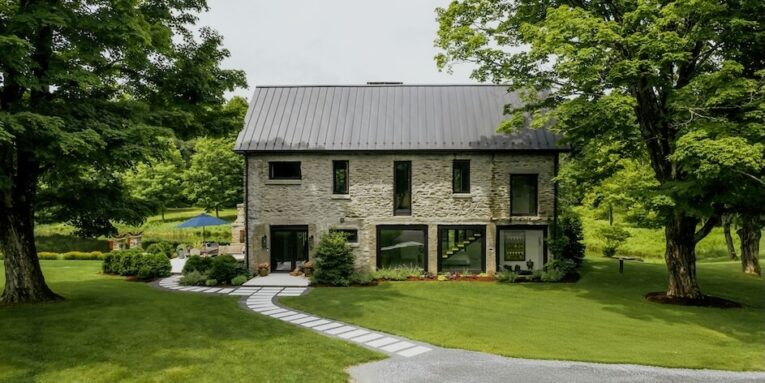
Rural and waterfront real estate consistently delivers some of the highest margins in residential property, because buyers pay meaningful premiums for land, water access, and open space that suburban lots simply cannot replicate.
The gap between a well-managed rural listing and a neglected one is wider here than in almost any other segment, and maximising rural property sale price requires active management of the physical asset, not just active marketing of it. The realtors and property entrepreneurs who close at the top of this market share six specific habits that most agents never develop.
1. Price the Full Asset, Not Just the Address
The most common pricing mistake in rural land sales is applying suburban comparables to a property that carries independent value in other categories.
A standard residential appraisal rarely captures the measurable worth of irrigated pasture, standing timber, or active mineral rights. Agricultural appraisers understand how to quantify these non-traditional assets correctly so sellers do not leave margins on the table.
Environmental features also dictate final asking prices significantly. High natural amenities can push farm real estate values to a mean of $58,732 per acre at the top end of the index. Properties score much lower without them, dropping to a mean of $3,351 per acre at the bottom scale. Correct pricing anchored to these actual land and water assets prevents the property from sitting stagnant on the open market.
| Key Insight: Standard residential comps systematically undervalue rural land. Ponds, timber, and mineral rights each add independent value that an agricultural appraiser captures, closing the gap between perceived and actual price. |
2. Turn Ponds into a Selling Point with Active Management
A pond functions as either a premium asset or an immediate liability. Buyer perception rarely lands in the middle when they encounter surface algae blooms or murky green water upon arrival. Regional studies highlight this financial impact directly, showing that on some lakes, 15 percent of a property sale price is entirely dependent on water quality.
Across broader undisturbed watersheds, an estimated property value loss between $256 million and $512 million occurs when conditions fall below regional expectations. A bottom diffused aeration system directly addresses these water clarity problems. The equipment injects air through diffuser plates mounted on the pond floor to increase dissolved oxygen from the base upward.
This continuous circulation breaks down the stratified water layers that typically support aggressive algae growth and eliminates the hydrogen sulfide odor associated with bottom sediment.
Property owners can source a reliable large pond aerator from Everblue Pond to secure sized equipment that handles these specific agricultural and recreational water demands. Active pond aeration for property value protects the listing price and communicates asset health to skeptical buyers by the time the first showing occurs.
| Important: Algae blooms and sulphuric odour make a pond read as a costly problem within seconds of a showing. That first impression suppresses offers and extends days on market, often before the buyer even asks about price. |
3. Own the Rural Corridor with Professional Signage
Digital impressions fall short in low-traffic rural corridors where local search volume remains limited. Drive-by discovery remains the primary mechanism for neighboring landowners to learn a parcel is available.
Posting a weatherproof sign at the property entrance and along county road approaches creates consistent visual presence throughout a longer listing cycle.
Durability acts as a functional requirement for outdoor displays rather than a simple cosmetic upgrade. UV-resistant inks and corrugated construction allow these materials to survive months of exposure without fading.
Agents can order double-sided realtor yard signs from YardSigns.com to maintain crisp franchise branding through harsh weather. Realtor yard signs for rural listings generate inquiries directly from locals, and that neighborly word of mouth carries higher trust than traditional digital ad impressions.
4. Stage Acreage for the Senses, Not Just the Eye
Acreage staging extends beyond the living room because rural buyers spend proportionally more time inspecting the outdoors. A rigorous pre-listing checklist should prioritize clearing overgrowth within twenty feet of any water feature. It also pays to mow visible pasture sections and repair perimeter fencing along the primary road frontage.
Rural showings frequently begin at the property line before the buyer even stops the vehicle. Tidy fence lines and the visible glint of clear water set a positive frame long before the interior tour begins. Addressing minor issues like sulfur odors near outbuildings ensures the site feels actively managed rather than deferred.
5. Build a Digital Presence Designed for Rural Search Behavior
Buyers hunting for acreage search by land type and intended use rather than standard neighborhood zip codes. Queries focused on hunting land or cattle ranches describe how this segment actually navigates the market. Optimizing standard MLS descriptions with specific water feature details helps capture these distinct search habits.
High-quality drone photography proves disproportionately effective for marketing rural real estate listings because it communicates massive scale.
A single overhead pass across a forty-acre parcel conveys boundaries and topography better than standard ground-level photography. Distributing these specific media assets across land-focused platforms expands your reach into niches where serious agricultural buyers browse exclusively.
6. Build Referral Networks Inside Agricultural and Rural Communities
Rural real estate runs on relationship capital far more than typical suburban transactions. Local agricultural networks usually hear about property transitions long before the official listings go live online. Cultivating ties with farm credit officers, estate attorneys, and feed store owners surfaces leads before they hit the open market.
Attending land management workshops and agricultural fairs positions an agent as a dedicated community resource. Real estate entrepreneur strategies centered on community presence consistently produce higher quality leads than generic digital advertising.
Word of mouth travels fast within tight rural networks, and that trusted reputation compounds across multiple years of successful sales.
| Key Insight: In rural markets, a referral from a local loan officer or feed store owner consistently out‑converts any digital campaign. Trust compounds over years, turning community presence into the highest‑return marketing asset you can build. |
The Final Verdict
The physical condition of a rural parcel determines its buyer perception and overall time on the market. A clear water feature supported by a dedicated aerator communicates baseline health before negotiations even begin.
Similarly, crisp, weather-resistant signage along the county road sets an immediate tone of professionalism for incoming buyers.
Sellers who treat proactive asset management as an ongoing investment consistently command higher closing margins. Waterfront property value maximisation requires treating the land itself as the primary promotional tool. The ultimate strategy for maximising rural property sale price relies on proving the operational quality of the property rather than just describing it on a listing portal.
People also read this: Scientific Testing Businesses | Startup Guide
