

Many people start reading about a platelet-rich plasma (PRP) injection for knee pain when their knee still aches on the stairs or after a walk, despite months of exercise, physical therapy and painkillers. It is most often considered for knee osteoarthritis, the gradual wearing of the cartilage that cushions the joint, or for a tendon injury that has been slow to heal.
Most people who look it up want to know whether it works, and the evidence so far is mixed. Some people with mild to moderate osteoarthritis report less pain for several months, while others notice little change. So knowing how PRP treatment works, what recovery involves and what it may cost can help you decide whether it is worth discussing with your doctor.
In this article, we will cover what PRP is, whether it works, whether the injection hurts, what to expect afterward, the side effects, how long the results last and what it costs.
What Is Platelet-Rich Plasma (PRP)?
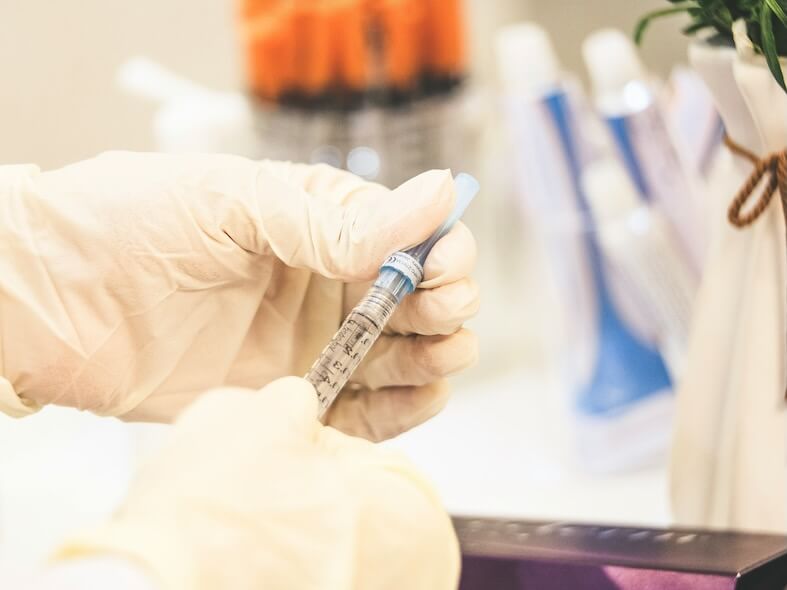
Platelet-rich plasma (PRP) is plasma, the liquid part of your blood, that holds more platelets than normal blood. Platelets help blood clot, and they also release proteins that are thought to support tissue repair.
For knee pain, PRP is usually injected into the joint for osteoarthritis, or around a damaged tendon, such as the patellar tendon below the kneecap. Because it is made from a sample of your own blood, it is prepared fresh on the day of treatment.
PRP is generally used alongside other care, such as strengthening exercises and weight management, rather than in place of it.
Do PRP Knee Injections Work?
PRP knee injections may ease pain for some people, especially those with mild to moderate osteoarthritis, but they do not help everyone. A growing number of studies show less pain and better knee function at this stage of osteoarthritis.
But a large 2021 trial found no clear difference compared with an injection of salt water (saline).
PRP is most often considered in these situations:
- Early osteoarthritis – mild to moderate wear tends to respond better than cartilage that is badly worn.
- Ongoing pain – knee pain that has not improved with exercise, physical therapy, weight loss or pain medicines.
- Tendon injuries – especially long-lasting pain in the patellar tendon, which is common in jumping sports.
- Delaying surgery – some people hope to delay knee surgery, although PRP has not been shown to prevent the need for a knee replacement.
PRP may not be suitable if you have a blood clotting disorder, a low platelet count, an active infection or certain cancers, or if you take blood-thinning medicines. So before treatment, a doctor usually checks for these conditions and the medicines you take.
Does a PRP Knee Injection Hurt?
A PRP knee injection can cause brief pain or pressure in the knee, although a local anesthetic (numbing medicine) is often used to reduce it. The whole visit often takes under an hour. Here is what typically happens:
- Blood draw – a small amount of blood is taken from a vein in your arm, much like a routine blood test.
- Processing – the blood is spun in a machine called a centrifuge, which separates the platelets from the rest of the blood.
- Preparation – the platelet-rich plasma is drawn into a syringe, and your knee is cleaned and numbed if needed.
- Injection – the PRP is injected into the joint or the injured tendon, sometimes with an ultrasound scan to guide the needle.
What to Expect After a PRP Knee Injection
After a PRP knee injection, most people return to light daily activities within a few days, although the knee may feel sore at first. Even so, the platelets need time to work, so a gradual return to exercise is generally advised.
Your doctor may also ask you to avoid anti-inflammatory painkillers, such as ibuprofen, for a period before and after the injection, because they could reduce the effect of the platelets.
The table below shows a typical pattern, although your own plan may differ:
| Time after the injection | What to expect |
| Days 1 to 3 | Soreness, swelling and stiffness are common, and rest and ice may help |
| Days 4 to 14 | Walking and light daily activities usually resume |
| Weeks 2 to 6 | Low-impact exercise, such as cycling or swimming, then a gradual return to sport |
| Up to 6 months | Any improvement in pain tends to build slowly over this time |
Side Effects of PRP Knee Injections
The most common side effects of PRP knee injections are pain, swelling and stiffness in the knee for a few days afterward. Some people also notice bruising where the blood was taken or where the injection was given.
Because PRP comes from your own blood, an allergic reaction is unlikely. Serious problems, such as infection, bleeding or nerve damage, are rare. Even so, a fever, or a knee that becomes more red, warm or swollen after the first few days, should be checked by a doctor straight away.
How Long Do PRP Injections Last in the Knee?
When they help, PRP injections in the knee may relieve pain for around six months to a year, although this varies from person to person. Still, your age, how worn the cartilage is and how active you are can affect how long the results last.
A course of PRP may be a single injection or two to three injections, spaced a few weeks apart. If the pain returns later, a repeat injection is sometimes offered, depending on how much the first course helped.
How Much Does a PRP Knee Injection Cost?
The cost of a PRP knee injection varies widely, depending on the clinic, the number of injections and whether ultrasound guidance is used. It is often not covered by health insurance, because it is still considered an emerging treatment for knee pain.
Before you book, it helps to ask what the price includes, how many injections are planned and whether follow-up visits cost extra. That way, you can compare options fairly and avoid unexpected bills.
Final Word: Another Way to Stay Active
PRP injections give people with early osteoarthritis or a slow-healing tendon injury another option to discuss when exercise and other treatments have not been enough. Results vary from person to person, and PRP may not work for everyone.
Even so, most people recover quickly and have only mild side effects. When the injections help, the relief may last for several months to a year. A doctor who examines your knee can help you decide whether PRP treatment suits you or whether another option may help more. With the right plan, many people can stay active and keep doing the sports and activities they enjoy.
Disclaimer: This article is for general information only and is not medical advice. Please check with your own doctor about whether PRP injections are right for you.
People also read this: The 5 Best Background Remover Tools for 2026 for Ecommerce Product Photos and Presentation Slides
