
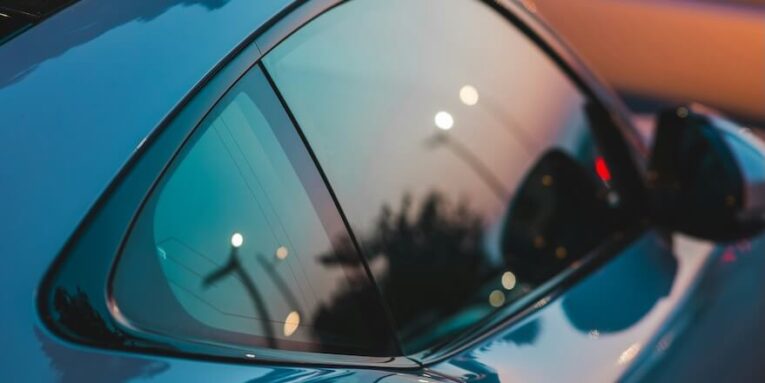
A car in South Florida spends its life under conditions that would be considered extreme almost anywhere else. Year round direct sun, high humidity, salt in the air near the coast, and interior temperatures on a parked vehicle that climb well past anything the materials were designed for. For a business running vehicles, or an owner planning to keep a car past the loan, that environment is a slow, steady expense.
The wear is predictable, which also makes it preventable. Here is where the damage actually comes from and what is worth doing about it.
Heat Is the Primary Enemy, Not Sunlight Alone
A closed vehicle parked in the open in Broward or Miami Dade County becomes an oven within minutes. The cabin temperature drives dashboard cracking, adhesive failure in trim, and the brittleness that turns leather and vinyl chalky after a few years.
It also affects the resale conversation. Buyers inspect the dash, the seats, and the headliner first, because those are the parts that reveal how a car was stored. A vehicle kept in Miramar or Pembroke Pines that still has an intact interior at six years old was almost certainly protected, and it prices accordingly.
Film Reduces the Load Before It Gets Inside
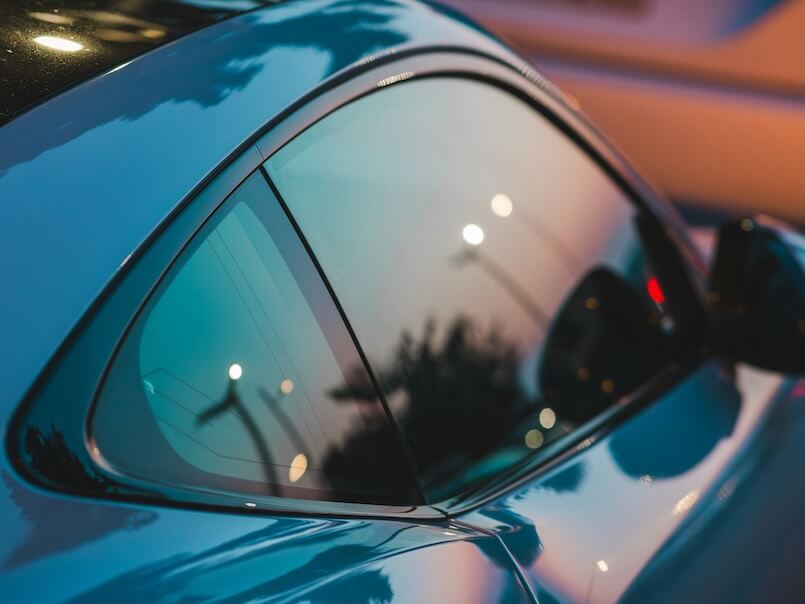
The most direct fix is to stop the energy at the glass. Quality film rejects a significant share of solar energy and blocks the ultraviolet portion almost entirely, which slows both the heat buildup and the fading that comes with it. The practical effect on a daily driver is a cabin that cools faster, an air conditioning system that works less hard, and interior materials that age at closer to a normal rate.
For anyone weighing this for car window tinting in Miramar, the decision is less about appearance than about what the interior looks like in year five.
Know the Rules Before Choosing a Shade
Florida sets specific limits on how dark each window can be, and those limits differ between the windshield, the front side windows, and the glass behind the driver. The requirements are written into state law governing sunscreening material on vehicle windows, and enforcement uses calibrated meters rather than judgment.
Choosing a legal shade is not a compromise on performance. Modern films get most of their heat rejection from the ceramic construction rather than from darkness, so a compliant film on the front doors can outperform a much darker, cheaper product. Anyone quoting a shade darker than the statute allows is selling a future traffic stop along with the film.
Paint Takes a Different Kind of Beating
Interior damage happens quietly. Paint damage happens all at once, in the form of chips from highway debris on I 95 and the Turnpike, and etching from contaminants that bake onto a hot surface before anyone gets around to washing.
Two layers of defence handle most of it. A protective film on the leading surfaces takes the impact from road debris, which is where nearly all chips occur. A ceramic coating over the remaining paint makes the surface easier to rinse clean and slows the etching that comes from bird droppings and industrial fallout sitting on hot clear coat.
Neither makes a car invincible. Both meaningfully change what the paint looks like after several South Florida summers.
The Fleet Math Is Simple
For an owner with one car this is a preference. For a business running several, it is straightforward arithmetic. Vehicles hold their value better, the interiors stop looking tired in front of customers, and the air conditioning systems get less punishment in a climate that already tests them.
The question of which vehicles make sense for private versus business use usually focuses on purchase price and fuel. Protection costs belong in that same calculation, because of the difference between a five year old vehicle that presents well and one that does not show up directly in what it sells for.
Do It Early
The one thing worth emphasising is timing. Protection applied to a new or nearly new vehicle preserves the condition it is in. Protection applied to a car that has already spent three summers in the open cannot undo the fading, the cracking, or the chips.
If a vehicle is going to live outdoors in this climate, the money is best spent in the first year, not the fourth.
People also read this: The Building Maintenance Line Item That Pays for Itself
