
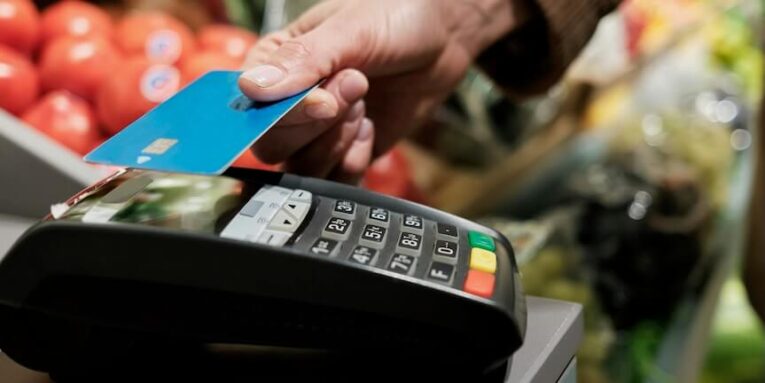
When customers make purchases online or swipe cards in stores, their payments seem to happen instantly. Behind the scenes, though, several systems are working together to move money securely from customers’ accounts to businesses. Two of the most important components in this process are payment gateways and payment processors. While the terms are often used interchangeably, they serve very different roles.
Understanding how these systems work and how they differ can help business owners choose the right setups for their needs. This knowledge is especially useful when comparing providers, reading industry feedback, or looking through resources like nmi reviews. Those resources tend to speak of both, so knowing what makes them different and why it matters can be extremely beneficial.
What Is a Payment Gateway?
A payment gateway is the technology that captures and securely transmits payment information from customers to payment processors. In simple terms, it acts as the digital bridge between a website, point-of-sale system, or mobile app and the financial institutions involved in the transaction. When a customer enters their card details online or taps their card in person, the payment gateway encrypts that sensitive data to help protect them against fraud and data breaches. The gateway then sends the information to the payment processor for authorization.
Payment gateways are especially important for online and e-commerce businesses. They often include tools like fraud detection, tokenization, recurring billing, and support for multiple payment methods. Some gateways are hosted externally, meaning they redirect customers to secure payment pages. Others are integrated directly into websites for more seamless checkout experiences. It’s important to point out that payment gateways don’t move money; they securely collect and pass along payment information so transactions can be approved.
What Is a Payment Processor?
A payment processor is the service that actually handles transactions once payment data is received. It communicates with the customer’s bank, or the issuing bank, and the business’s bank, or the acquiring bank, to verify that funds are available and approve or decline transactions. After approval, processors facilitate the movement of funds from customers’ accounts to merchants’ accounts. This process usually takes one to three business days depending on the provider and certain other factors.
Payment processors also manage settlements, chargebacks, refunds, and reporting. They work behind the scenes to ensure transactions comply with card network rules from companies like Visa, Mastercard, and American Express. Unlike gateways, processors are deeply tied to financial institutions. Businesses typically must be approved by a processor before they can accept card payments at all.
Why the Difference Between Payment Gateways and Processors Matters
The differences between payment gateways and payment processors matter because each one affects businesses in different ways. Choosing the right gateway impacts the customer experience, checkout speed, and security features. Choosing the right processor affects transaction reliability, fees, funding speed, and customer support.
Some providers offer both services bundled together while others allow businesses to choose gateways separately from processors. That flexibility can be helpful for businesses that want advanced customization or plan to switch processors without rebuilding their checkout systems.
Understanding the distinction also helps when comparing pricing. Gateways may charge monthly fees or per-transaction fees whereas processors typically charge interchange-based or flat-rate fees. Without knowing which service does what, it’s easy to misunderstand where costs are coming from. Finally, this knowledge helps business owners ask better questions, avoid long-term contracts that don’t fit their needs, and select payment solutions that can scale as their business grows.
Finding the Right Payment Gateways and Payment Processors
Payment gateways and processors are both essential for making purchases. They’re not the same, though. Each one serves a distinct purpose. By understanding the roles of payment gateways and payment processors, businesses can make more informed decisions, improve customer trust, and build smoother, more reliable payment experiences.
People also read this: Beach Accessories for the Ultimate Day Out by the Sea
