

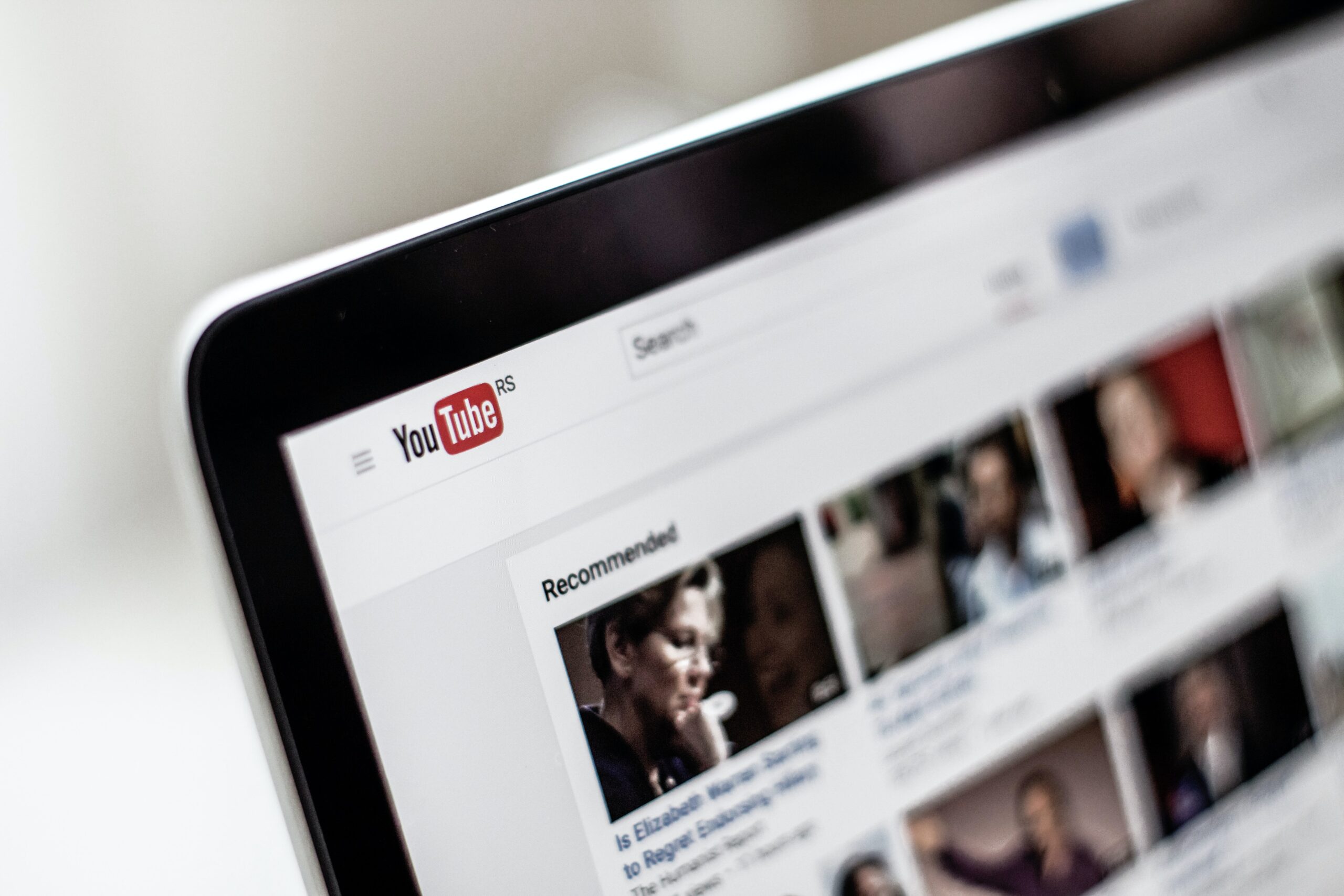
Getting more views on YouTube means earning more individual plays on the videos you publish, not just collecting subscribers. A view is a counted watch that YouTube validates once a real person starts your video and stays long enough for the platform to register real attention. The count under each video is the honest scoreboard for whether your content is reaching anyone. This guide works through three things in order: the organic tactics that move views, whether paid views can speed the process, and how YouTube actually counts a view, so you know what you are working toward.
Why Views Decide Whether a Channel Grows
Per-video performance, not your subscriber count, is what tells the recommendation system to keep pushing a video. YouTube promotes individual videos, not channels. It starts with impressions. YouTube shows your thumbnail to a small test audience, measures how many people click and stay, then decides whether to widen the reach across the home feed, suggested videos, and search. A channel with 5,000 subscribers and one video that keeps people watching will often out-reach a channel with 500,000 subscribers and a weak opening. Views are the signal that compounds, because every strong video teaches the system to trust the next upload a little more. Since each upload competes on its own, a steady stream of ideas worth clicking matters as much as any single tactic, and this running list of YouTube channel ideas gives you plenty to draw from.
The Tactics That Actually Move Views
Most view growth comes from a short list of repeatable moves, not luck. Work through these in roughly this order:
- Thumbnails and titles set your click-through rate, so design the thumbnail first and write a title that promises one clear payoff.
- YouTube SEO matters, so put your main phrase in the title, the first line of the description, and the spoken audio, since the platform reads all three.
- Audience retention is the metric YouTube weighs most, so open with a hook in the first 15 seconds and cut every slow stretch.
- YouTube Shorts bring in new viewers fast, then funnel them toward your long-form uploads.
- Cross-promotion on social media and collaborations with creators in your niche borrow an audience that already exists.
- Cards and end screens push finished viewers straight into another video, which raises session time.
- Posting timing helps, so publish when your YouTube Studio analytics show your audience is already online.
None of these work alone. Pairing a strong hook with a thumbnail people actually want to click is what separates a flat channel from a growing one, so treat every upload as a fresh test of your title and opening seconds.
Can You Speed Things Up With Paid Views?
Yes, but only under strict conditions. Paid views give a fresh upload early momentum and social proof, which can nudge the algorithm to test it with a wider audience. They will not replace good content, and they will not build a loyal following on their own. The views you pay for have to be real and delivered gradually, because a sudden flood of low-quality traffic looks unnatural and gets stripped out. Before you pay, check that the provider uses real accounts, lets you control the delivery speed, and offers a refill if any views drop. A brand new upload also has to beat a cold start, since a video stuck at a dozen views quietly tells newcomers it is not worth their time. Creators who buy YouTube views to clear that first hurdle lean on Views4You’s growth packages, which trickle in genuine viewers rather than one suspicious spike. Use a paid boost on top of the tactics above, not instead of them.
How YouTube Actually Counts a View
A view is registered once YouTube confirms that a real person intentionally started your video and watched it for a meaningful moment, currently about 30 seconds of genuine playback for most formats. During a short review window the platform filters out repeated refreshes, bot traffic, and automated plays, which is why inflated numbers often drop back a day later. Replays can count as well, though YouTube caps how many repeat views from the same person add up in a short span, and live viewers are tracked separately from video playbacks. That same filter is the reason gradual, real views stick while cheap bot views vanish. If you want the technical detail on validation windows and what gets thrown out, the way YouTube tallies each view breaks the process down step by step.
Frequently Asked Questions
How many views do you need to get paid on YouTube? You have to join the YouTube Partner Program, which requires 1,000 subscribers plus 4,000 valid public watch hours in the past 12 months, or 1,000 subscribers plus 10 million Shorts views in 90 days.
How much does YouTube pay per 1,000 views? Most channels earn roughly $1 to $5 per 1,000 views from ads, and the real figure depends on your niche, audience location, and RPM.
Can you buy YouTube views? Yes, and it stays within policy as long as the views are real and arrive gradually, since artificial or bot views break YouTube’s rules and get removed.
Does YouTube pay you for views directly? No. Once your channel is monetized, YouTube pays you indirectly by sharing the ad revenue your videos earn against those views.
More views come from doing the ordinary things well. Make videos that hook people in the first few seconds, give the algorithm clean titles and strong retention to work with, and lean on paid views only when you want to warm up a launch. Stack those habits and every upload starts from a stronger position than the last.
People also read this: The Case for Fewer Gadgets: How Wearables Are Consolidating Tech
