
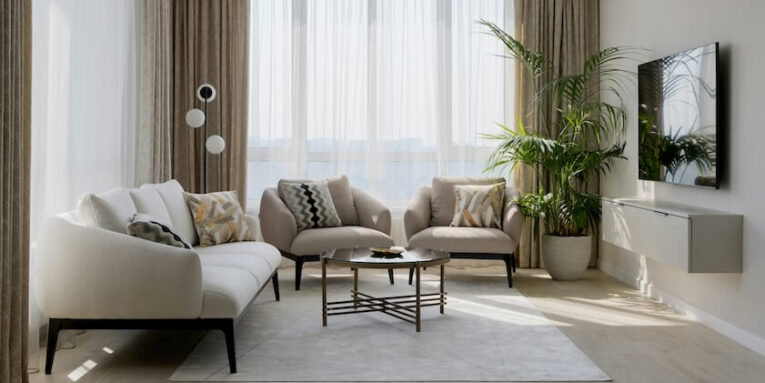
Some homes feel calm the moment you walk in. Others feel busy, even when they’re tidy. Sometimes the difference isn’t the size of the rooms, the price of the furniture, or whether everything matches perfectly. More often, it comes down to the smaller design choices that quietly shape the way a space feels day to day.
Flooring is a good example. It sits in the background, but it affects almost everything else in the room: the light, the warmth, the sense of flow, and even how furniture appears against it. Natural timber, softer tones, textured finishes, and thoughtful materials can make a home feel more grounded without needing anything dramatic. Brands like Terra Mater are often part of that conversation because people are paying more attention to finishes that feel timeless rather than trendy.
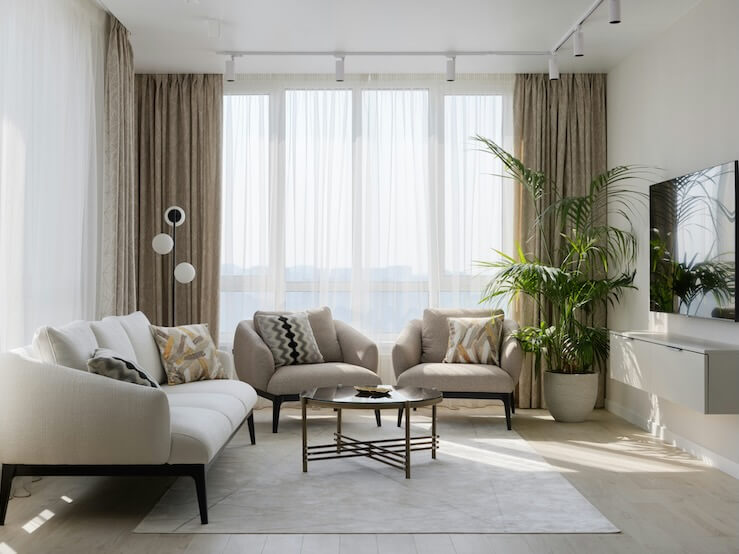
The Power of Getting the Basics Right
There’s a tendency to think of interior design as something that happens at the end, once the practical stuff has been sorted. Paint colour, cushions, lamps, artwork, plants — all the enjoyable details. But the bones of a room matter just as much, and sometimes more.
A floor that works with the natural light in a home can make a compact room feel more open. A wall colour with the right undertone can stop a space from feeling cold. A doorway, rug, or cabinet finish can quietly connect one area to another, so the home feels considered instead of chopped into separate pieces.
None of this has to mean making everything beige or minimal. A home can still have colour, personality, old furniture, family clutter, and the odd questionable purchase from a Sunday market. The trick is giving those things a strong foundation, so the space still feels intentional rather than accidental.
Small Details Change How You Use a Room
Good design isn’t just about how a room looks in photos. It’s about how it behaves when real life happens inside it.
A reading chair only works if the light lands properly. A dining area feels more inviting when there’s enough space to pull chairs out without bumping into a wall. A hallway can feel wider with the right flooring direction, while a living room can feel cosier with layered lighting instead of one harsh ceiling fixture.
These choices don’t always announce themselves, but you feel them. You notice them when the morning light hits the floor nicely, when cleaning feels easier, when guests naturally settle into a space, or when a room finally stops feeling awkward even though you haven’t added much to it.
The Best Homes Don’t Feel Overdesigned
One of the easiest traps in home styling is trying to solve every corner. A shelf gets filled because it’s empty. A wall gets decorated because it looks plain. A room gets another chair because there’s space for one, even though nobody will ever sit there.
The most comfortable homes often leave a little breathing room. They choose fewer materials, but better ones. They repeat tones without making everything identical. They allow practical decisions to be beautiful, and beautiful decisions to still make sense.
A Home Should Feel Like It Belongs to You
The goal isn’t to create a perfect showroom. It’s to create a place that feels good to live in. When the small choices are handled thoughtfully — the flooring, the lighting, the proportions, the textures, the way one room leads into the next — the whole home starts to feel more settled.
And that’s the real magic of design. It doesn’t always need a dramatic before-and-after moment. Sometimes it’s simply a series of quiet decisions that make everyday life feel a little easier, warmer, and more enjoyable.
People also read this: Why Even the Most Experienced Executives Need Outside Perspectives
