
Most people do not notice vision changes right away.
They start sitting closer to the television. They avoid driving during heavy rain at night. Restaurant menus suddenly need brighter light. Someone jokes that they are “getting old,” and life moves on.
Eye clinics see this every week.
Years ago, many patients treated eye exams like a routine stop for glasses. That expectation changed. Modern optometry now looks much deeper into long-term eye health, especially for patients who spend most of the day staring at screens.
The strain builds slowly. That is the problem.
The American Optometric Association continues reporting growing concerns around digital eye fatigue across the United States. Office workers deal with it constantly. Teenagers do too. Some patients notice burning eyes by afternoon. Others only realize something feels wrong once headaches become frequent.
A Modern Eye Exam Does More Than Check Vision
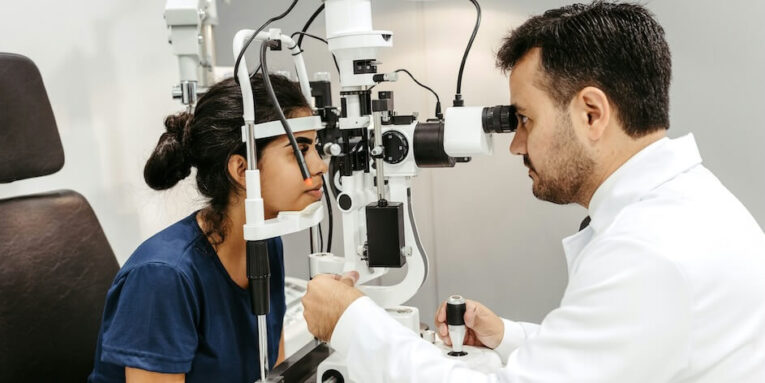
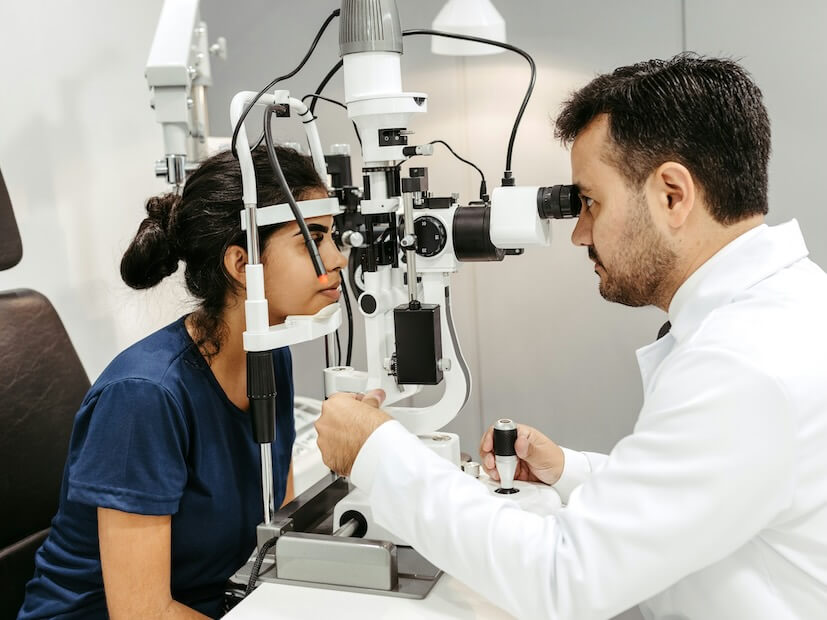
Many clinics now run detailed retinal scans during standard appointments. Patients often expect a quick prescription update and leave surprised by how much the exam covered.
Optometrists now look for:
- glaucoma warning signs
- retinal damage
- optic nerve changes
- macular degeneration
- diabetes-related complications
Sometimes the scan catches something the patient never felt coming.
Patients hoping to discover more insights about long-term eye health usually look for clinics that invest in updated imaging systems and preventive care tools.
The Centers for Disease Control and Prevention warns that several eye diseases develop quietly for years before symptoms become obvious.
That is why consistency matters.
Small Changes Tell a Bigger Story
An experienced optometrist notices patterns most patients miss.
Maybe the retinal image changed slightly compared to last year. Maybe eye pressure crept upward over several visits. Nothing dramatic. Still important.
Modern clinics compare records over time instead of relying only on symptoms.
That helps providers:
- catch issues earlier
- monitor retinal changes
- improve prescription accuracy
- explain conditions more clearly
- track long-term progression
Patients usually respond differently once they see the images themselves. The conversation becomes more real.
Screen Habits Keep Affecting Eye Comfort
Many adults now spend entire days switching between laptops and phones. Then they relax at night by watching another screen.
The eyes never really get a break.
Clinics regularly hear complaints about:
- blurry near vision
- dryness
- light sensitivity
- focusing problems
- eye fatigue late in the day
Not every patient needs complicated treatment. Sometimes the issue comes down to poor lighting or an outdated prescription.
Sometimes people simply forget to blink enough while working.
Small adjustments often help more than patients expect:
- lowering screen brightness
- taking short visual breaks
- improving desk lighting
- updating prescriptions
- using lubricating eye drops
Good clinics usually explain these things in plain language. Patients appreciate that.
Children Often Do Not Realize Their Vision Changed
Kids rarely say, “I cannot see properly.”
What usually happens looks different. A child avoids reading. Another loses focus during homework. Some complain about headaches after school but never mention blurry vision.
Parents often assume the issue comes from attention problems or screen habits alone.
Modern pediatric optometry examines more than eyesight. Many clinics now assess tracking ability, focusing control, and eye coordination during routine visits.
The National Eye Institute recommends regular eye evaluations for children because early vision problems often go unnoticed for years.
Nearsightedness Keeps Rising
Optometrists across the country continue seeing more cases of childhood myopia.
The pattern appears constantly now. More screen exposure. Less outdoor activity. Long hours focused on close-up work.
Many clinics started offering myopia management programs instead of simply increasing prescriptions every year.
Parents ask more questions today. They want long-term solutions.
Aging Eyes Change Gradually
Most age-related vision problems develop slowly.
A patient notices extra glare from headlights. Reading becomes frustrating at night. Dryness never completely goes away.
Then the symptoms start stacking together.
Modern optometry clinics now monitor:
| Concern | Support |
| cataracts | progression tracking |
| glaucoma risk | pressure monitoring |
| retinal disease | imaging reviews |
| dry eye symptoms | treatment planning |
| medication-related changes | ongoing evaluations |
Patients usually stay loyal to clinics that know their history well. Familiarity matters more with age.
Long-Term Eye Health Needs Attention Early
Most serious eye conditions do not arrive all at once. They build quietly in the background.
That is why modern optometry matters more now than it did years ago.
Better imaging, earlier detection, and consistent monitoring help clinics catch problems before vision loss begins affecting everyday life. Patients benefit from that long before they realize how much changed.
People also read this: What Happens After You Become a Founders Club Member?
