
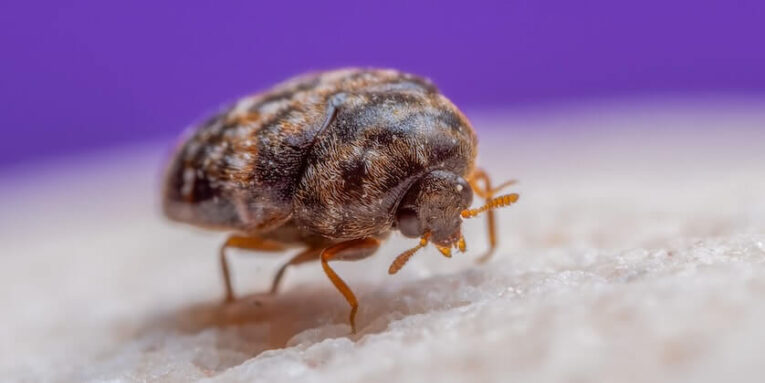
Finding bed bugs in your home can be frustrating, especially when the signs seem limited to a few bites or one room. Because bed bugs can hide well and may not be noticeable at first, you may not realize that the problem can escalate rapidly.
Hidden insects may have time to establish themselves in areas before the first signs of activity. The safest approach is to act when you notice reliable signs instead of waiting for the infestation to become obvious.
A good first inspection can locate hiding spots, minimize movement in the house, and help you select a control method suited to the circumstances. This is an important consideration in situations where bedrooms, furniture, and personal property provide ample hiding spots for bed bugs and before control efforts become more disruptive.
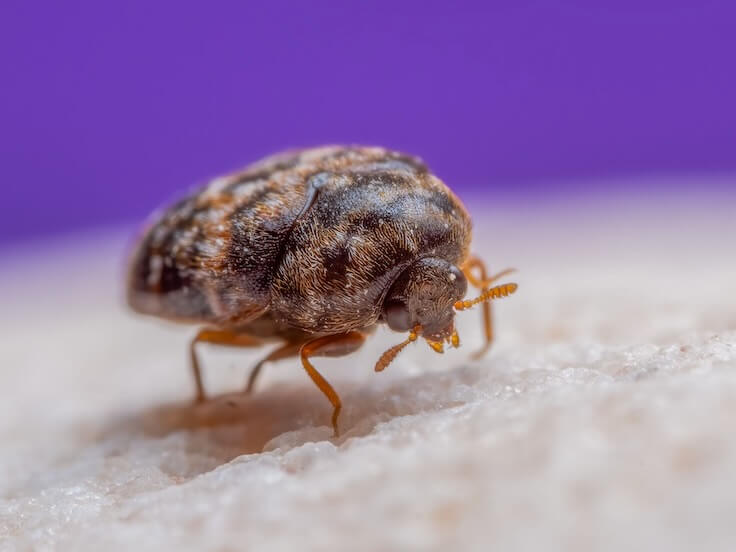
Here is how untreated bed bugs spread, why infestations become harder to manage, and what you can do when you notice the first warning signs.
1. Early Signs Limit Spread
If you notice bites, shed skins, dark spots, or live insects, bed bug treatment near you can help address the problem before the infestation becomes established. Bed bugs tend to hide in mattresses, box springs, bed frames, furniture, cracks, and crevices. Infestations will be easier to control if they can be detected early.
A few visible bugs do not always indicate a small infestation. Bed bugs can hide in the daytime and come out at night during sleep. They may also use seams, folds, and narrow gaps, and their presence may not be obvious during a quick visual inspection.
Do not rely on bites alone. Look for physical signs in sleeping areas so you can take action before the infestation becomes more difficult to control.
2. Hidden Routes Move Bugs
Bed bugs can move beyond your mattress into nearby furniture, baseboards, cracks, and other sheltered spaces. Bed bugs can travel more than 100 feet in a night, although they usually remain close to sleeping areas.
Luggage, clothing, bedding, bags, and furniture can provide bed bugs hiding places during movement. That makes unnecessary relocation of belongings a way to spread an infestation.
Avoid moving mattresses, furniture, or clothing from an affected room into another area without checking them first. Limiting movement gives you a better chance of containing the problem while you arrange inspection and treatment.
3. More Bugs Raise Control Challenges
Untreated infestations can become harder to manage as bed bugs survive and reproduce. Eggs and hidden insects may escape casual cleaning or a single treatment attempt. Missing even a few hiding places can allow the infestation to continue.
Control can also become more complicated because some bed bug populations resist commonly used insecticides. A 2023 study found substantial variation in resistance among U.S. populations, showing why one treatment approach may not perform the same way everywhere.
Research also supports targeting bed bugs where they hide. A study examined treated harborages as a control method, reinforcing the importance of reaching sheltered areas rather than treating only visible insects.
4. Home Disruption Grows Over Time
As activity increases, you may find signs beyond the original sleeping area. Bed bugs can occupy nearby furniture and sheltered spaces, making normal routines uncomfortable. Repeated bites may also contribute to persistent itching and sleep disruption.
Bed bugs are not known to spread disease to people, but bites can cause itching and, in some cases, allergic reactions. Scratching can damage the skin and may contribute to secondary infection. Bites can also interfere with sleep.
Random products may create more disruption without solving the source. Repeated applications, unnecessary furniture disposal, or moving belongings around the home can complicate control. An inspection helps you understand where activity is actually occurring.
5. Prompt Action Protects Control
When you suspect bed bugs, check mattress seams, box springs, bed frames, headboards, nearby furniture, and cracks. Check for live insects, shed skins, eggs, or dark spots. Do not take suspected materials away from the area!
Professional evaluation can help distinguish bed bugs from other household pests and identify areas needing attention. Treatment will depend on the infestation, the structure of the property, and where the insects are found. Carefully follow treatment guidelines, as there may be hidden insects that need ongoing treatment.
Do not wait for bed bugs to become widespread. If credible signs are found, restrict the movement of items, check hiding areas and plan treatment. Acting early can minimize the potential for the infestation to spread.
Conclusion
Untreated bed bugs can spread through nearby hiding places and belongings that move between rooms or properties. Control may become more complicated as activity increases, particularly when hidden insects or insecticide resistance are involved. Early inspection will provide a better understanding of the extent of bed bug activity and the area that requires treatment.
If you spot reliable signs, respond promptly. Inspect sleeping areas, refrain from moving infested items, and request a comprehensive inspection. A focused response can minimize unnecessary disruption, reduce the chance of further spread, and provide a clear way to deal with the infestation and restore comfort in your home.
People also read this:
