
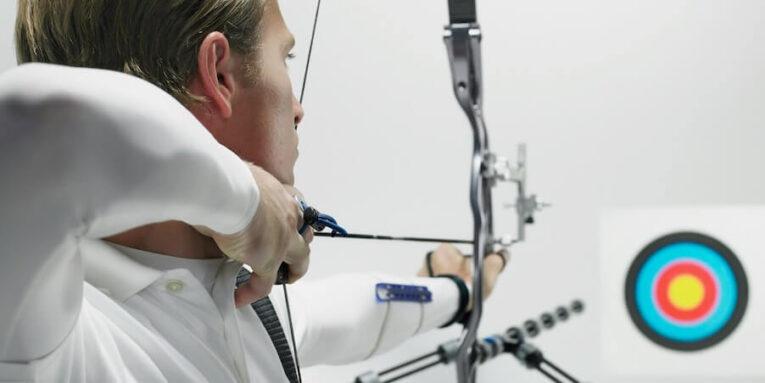
You’ve probably scrolled past another meditation app notification today. Maybe you’ve tried the breathing exercises, the guided visualizations, the mindfulness journals. But what if the path to inner balance doesn’t require sitting still at all?
Archery offers something different. It’s active meditation with immediate feedback. And it’s gaining serious traction among people who’ve grown tired of traditional mindfulness methods.
Why Archery Works Where Other Practices Fall Short
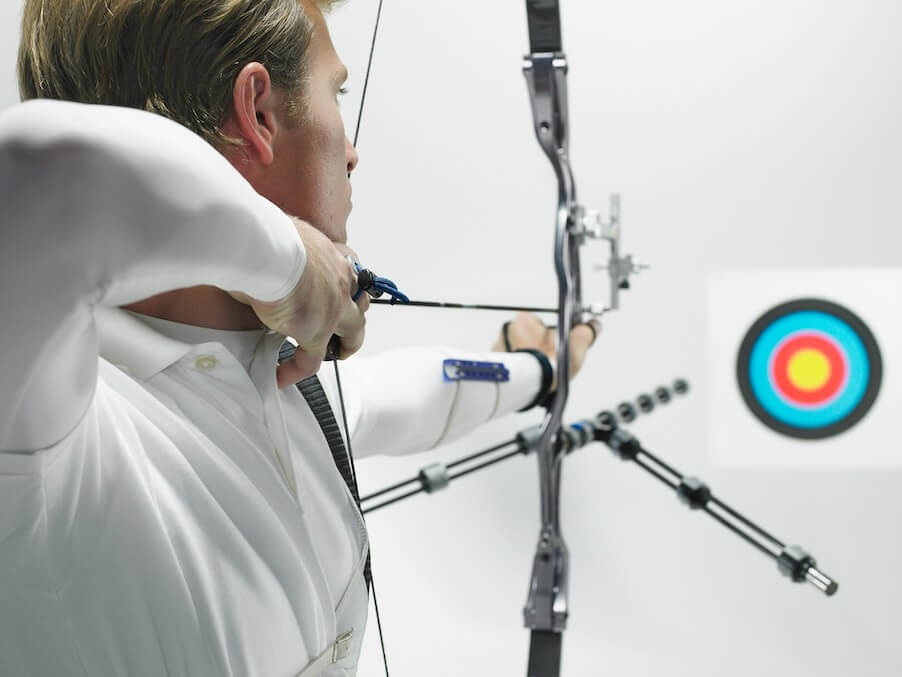
Your mind wanders during seated meditation. That’s normal. But with high-quality recurve bows in your hands and a target downrange, wandering thoughts become obvious obstacles. You either hit the mark or you don’t.
The practice demands your complete attention. You can’t think about your inbox while drawing a recurve bow to full anchor. Your body position, breathing rhythm, and mental focus must align perfectly. This forced presence is what makes archery such an effective mindfulness tool.
Unlike apps or classes, archery gives you tangible results. Each arrow tells a story about your mental state in that moment. Were you rushing? Overthinking? Perfectly centered? The target doesn’t lie.
The Physical-Mental Connection
Recurve bows create a unique challenge. Without the mechanical advantages of modern compounds, you’re relying entirely on your body’s stability and your mind’s clarity. This is where growth happens.
You’ll discover muscles you didn’t know existed. Your back, shoulders, and core work together in ways that gym routines rarely replicate. But the real workout happens between your ears.
Drawing a high-quality recurve bow requires:
- Consistent anchor points
- Controlled breathing
- Deliberate follow-through
- Mental reset between shots
These elements force you into a state psychologists call “flow.” Time disappears. Stress evaporates. You’re simply present with the task.
Building Discipline Without the Grind
Traditional self-improvement often feels like punishment. Another early morning. Another forced habit. Another failure to maintain consistency.
Archery flips this script. You want to practice because improvement is addictive. Watching your groupings tighten, seeing arrows cluster closer to center—this progress pulls you forward rather than requiring willpower to push through.
The sport teaches patience organically. You can’t rush a good shot. Forcing it guarantees failure. This lesson transfers beautifully to daily life, where our culture constantly demands speed over quality.
Getting Started with Intention
You don’t need expensive equipment immediately. But investing in a quality recurve bow matters more than you might think. Cheap bows fight against you, creating bad habits and frustration. A well-crafted bow becomes an extension of your body.
Start with proper instruction. Self-teaching archery is like self-teaching meditation from random YouTube videos—possible, but inefficient and potentially harmful. Find a local club or coach who understands the mental aspects of the sport, not just the mechanics.
Set process goals rather than outcome goals. Don’t focus on hitting bullseyes. Instead, commit to perfecting your form, maintaining consistent breathing, or achieving mental clarity during each shot. The accuracy follows naturally.
The Broader Impact
After a few months of regular practice, you’ll notice changes beyond the range. Decision-making becomes clearer. Stress triggers lose their power. That constant mental chatter quiets down.
You’re training your brain to focus intensely, then release completely. To accept imperfection while striving for improvement. To find stillness within movement.
This is mindfulness for people who couldn’t sit still on a meditation cushion if their life depended on it. It’s personal growth disguised as sport. And it just might be exactly what you’ve been searching for.
People also read this: Peak Season Playbook: Packaging & Shipping Prep for Q4 Surges
